

How to select a drain solenoid valve for a corrosive fluid?
Selecting the right drain solenoid valve for a corrosive fluid is a critical decision that can significantly impact the efficiency, safety, and longevity of your fluid handling system. As a trusted drain solenoid valve supplier, we understand the complexities involved in this process. In this blog post, we will guide you through the key factors to consider when choosing a drain solenoid valve for corrosive fluids.
Understanding Corrosive Fluids
Before delving into the selection process, it's essential to understand the nature of corrosive fluids. Corrosive fluids can be acidic, alkaline, or contain other aggressive chemicals that can cause damage to materials over time. The level of corrosion depends on various factors, including the fluid's pH level, temperature, concentration, and the presence of other contaminants.
For instance, strong acids like sulfuric acid and hydrochloric acid can rapidly corrode many metals, while alkaline solutions such as sodium hydroxide can also cause significant damage. Some fluids may also contain oxidizing agents or halogens, which can further accelerate the corrosion process.
Material Selection
One of the most crucial factors in selecting a drain solenoid valve for corrosive fluids is the choice of materials. The valve body, seals, and other internal components must be able to withstand the corrosive effects of the fluid. Here are some common materials used in corrosive fluid applications:
Stainless Steel
Stainless steel is a popular choice for valve bodies due to its excellent corrosion resistance, especially against mild acids and alkalis. Different grades of stainless steel offer varying levels of resistance, with 316L being one of the most commonly used grades in corrosive environments. It contains molybdenum, which enhances its resistance to pitting and crevice corrosion.
PVC (Polyvinyl Chloride)
PVC is a cost - effective and corrosion - resistant material commonly used for valve bodies and pipes in applications involving non - oxidizing acids, alkalis, and some salts. It is lightweight, easy to install, and has good chemical resistance, but it has limitations in high - temperature applications.
PTFE (Polytetrafluoroethylene)
PTFE, also known as Teflon, is an extremely inert material with excellent chemical resistance to a wide range of corrosive fluids, including strong acids, bases, and solvents. It is often used for valve seals and diaphragms to prevent leakage and ensure long - term performance.
Ceramic
Ceramic materials are highly resistant to corrosion and wear, making them suitable for applications involving abrasive and corrosive fluids. They can withstand high temperatures and harsh chemical environments, but they are more brittle than other materials and require careful handling during installation.
Pressure and Temperature Ratings
In addition to material compatibility, it's important to consider the pressure and temperature ratings of the drain solenoid valve. Corrosive fluids may be processed at high pressures and temperatures, which can affect the performance and integrity of the valve.
The valve should be rated to handle the maximum pressure and temperature conditions of your system. Exceeding these ratings can lead to valve failure, leakage, and potential safety hazards. Make sure to consult the valve manufacturer's specifications to ensure that the valve can operate safely within your system's parameters.
Flow Rate and Valve Size
The flow rate of the corrosive fluid through the valve is another important consideration. You need to select a valve with an appropriate size and flow capacity to ensure efficient operation of your system.
The flow rate is typically measured in gallons per minute (GPM) or liters per second (L/s). To determine the required flow rate, you need to consider the volume of fluid that needs to be drained and the time available for the draining process. The valve size is usually specified in inches or millimeters, and it should be selected based on the calculated flow rate and the pressure drop across the valve.
A valve that is too small may restrict the flow and cause excessive pressure drop, while a valve that is too large may be more expensive and may not provide precise control of the fluid flow.
Solenoid Coil and Electrical Requirements
The solenoid coil is an essential part of the drain solenoid valve, as it is responsible for opening and closing the valve. When selecting a valve for corrosive fluid applications, you need to consider the electrical requirements and the protection level of the solenoid coil.
The coil should be rated for the appropriate voltage and frequency, which are typically 220V in many industrial applications. You can explore our Electric Water Valve 220V for more options.
In addition, the solenoid coil should have a suitable protection level to prevent damage from the environment. For applications where the valve may be exposed to water or other liquids, a solenoid valve with IP68 waterproof rating is recommended. Check out our Solenoid Valve IP68 Waterproof for such requirements.
Valve Configuration
The configuration of the drain solenoid valve can also affect its performance in corrosive fluid applications. There are different types of valve configurations, including normally open (NO) and normally closed (NC) valves.
A normally open valve allows fluid to flow through it when the solenoid is de - energized. This type of valve is useful in applications where the fluid needs to be drained continuously or in case of a power failure. If you are looking for a 1 - inch normally open valve, our 1 Inch Solenoid Valve Normally Open is a great option.
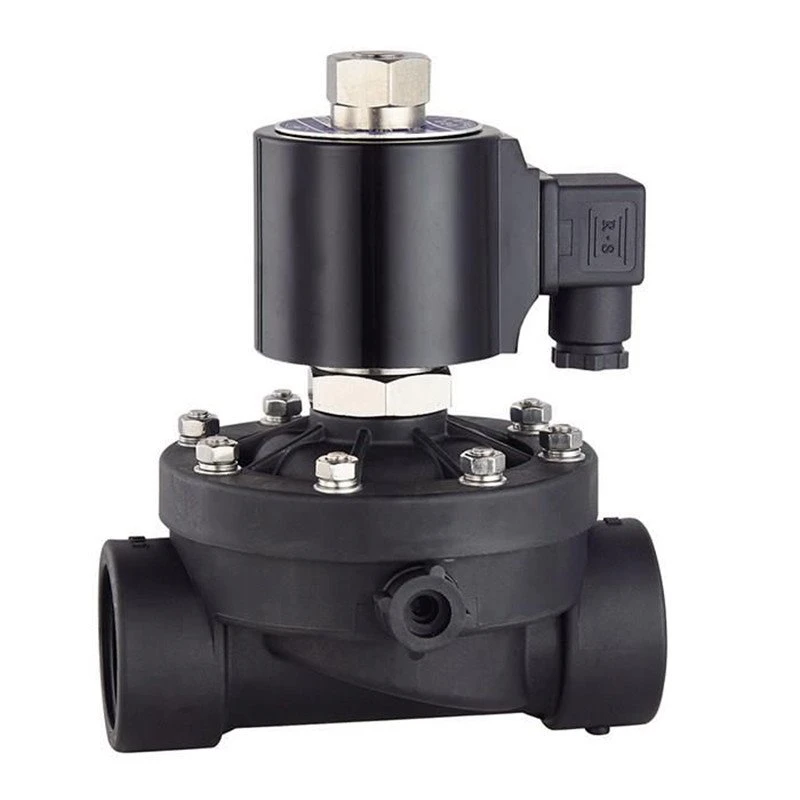

On the other hand, a normally closed valve blocks the fluid flow when the solenoid is de - energized and opens when the solenoid is energized. This configuration is suitable for applications where the fluid needs to be controlled precisely and only drained when required.
Maintenance and Serviceability
Finally, consider the maintenance and serviceability of the drain solenoid valve. Corrosive fluids can cause wear and tear on the valve components over time, so it's important to choose a valve that is easy to maintain and repair.
Look for valves with replaceable seals and other internal components, as this can reduce the cost and downtime associated with maintenance. Additionally, the valve should have a design that allows for easy access to its internal parts for inspection and cleaning.
Conclusion
Selecting a drain solenoid valve for a corrosive fluid requires careful consideration of multiple factors, including material compatibility, pressure and temperature ratings, flow rate, electrical requirements, valve configuration, and maintenance. As a drain solenoid valve supplier, we are committed to providing high - quality valves that meet the specific needs of your corrosive fluid applications.
If you are in the process of selecting a drain solenoid valve for your system, we invite you to contact us for a detailed consultation. Our team of experts can help you choose the right valve based on your unique requirements and ensure a smooth and efficient fluid handling process.
References
- ASM Handbook Volume 13A: Corrosion: Fundamentals, Testing, and Protection.
- Valve Selection Handbook by Peter A. Schweitzer.
- Corrosion Resistance Tables, Fourth Edition by Brandt D. Craig.