

What is the IP rating of a Namur solenoid?
Yo, folks! As a supplier of Namur solenoids, I often get asked about the IP rating of these little wonders. So, let's dive right in and break it down in simple terms.
First off, what's an IP rating anyway? Well, IP stands for Ingress Protection. It's a standardized system that tells you how well a device can keep out dust and water. The rating consists of two digits. The first digit represents protection against solid objects, and the second digit indicates protection against liquids.
Understanding the First Digit (Solid Object Protection)
The first digit of the IP rating ranges from 0 to 6, and each number has a specific meaning:
- 0: No protection against solid objects. This is pretty much a big red flag when it comes to industrial applications, as dust and debris can easily damage the solenoid.
- 1: Protects against objects larger than 50mm. Think of something like a hand accidentally brushing against the solenoid.
- 2: Protects against objects larger than 12mm. This can include fingers, which is important for safety reasons.
- 3: Protects against objects larger than 2.5mm. This is useful for keeping out tools or wires that might accidentally come into contact with the solenoid.
- 4: Protects against objects larger than 1mm. This is great for preventing small insects or thin wires from getting inside.
- 5: Dust - protected. While not completely dust - tight, it can prevent most dust from entering and causing damage.
- 6: Dust - tight. No dust can enter the device, which is crucial in very dusty environments like mines or construction sites.
Understanding the Second Digit (Liquid Protection)
The second digit of the IP rating ranges from 0 to 9, and here's what each number means:
- 0: No protection against liquids. This isn't ideal for any application where there's a risk of water or other liquids splashing around.
- 1: Protects against vertically falling water drops. This is useful in dry indoor environments where there might be a little condensation.
- 2: Protects against water drops falling at an angle of up to 15 degrees from the vertical. It gives a bit more leeway in case the solenoid is slightly tilted.
- 3: Protects against spraying water. This is handy in areas where there might be a light spray, like near a sink or a small water fountain.
- 4: Protects against splashing water from any direction. This is great for outdoor applications where there might be rain or splashing from nearby machinery.
- 5: Protects against low - pressure water jets from any direction. It can withstand a fair amount of water pressure, which is important in industrial cleaning or wet environments.
- 6: Protects against high - pressure water jets from any direction. This is suitable for heavy - duty industrial settings where the solenoid might be hosed down.
- 7: Protects against temporary immersion in water up to 1m deep for a limited time. This is useful in applications where the solenoid might get briefly submerged, like in a flooded basement.
- 8: Protects against continuous immersion in water under specified conditions. This is perfect for underwater applications or in areas with a high water table.
- 9: Protects against high - temperature, high - pressure water jets. This is often required in food processing or automotive cleaning applications.
Why IP Rating Matters for Namur Solenoids
Now, you might be wondering why the IP rating is so important for Namur solenoids. Well, these solenoids are commonly used in industrial automation, pneumatic systems, and other applications where they can be exposed to harsh environments.
For example, in a chemical plant, there might be a lot of dust and chemicals in the air. A Namur solenoid with a high IP rating, like IP65 or IP67, can prevent these contaminants from entering the solenoid and causing damage. Similarly, in a food processing plant, the solenoid might be regularly cleaned with high - pressure water jets. An IP69K rated solenoid would be ideal in this case, as it can withstand the high - temperature, high - pressure cleaning.
Our Namur Solenoids and Their IP Ratings
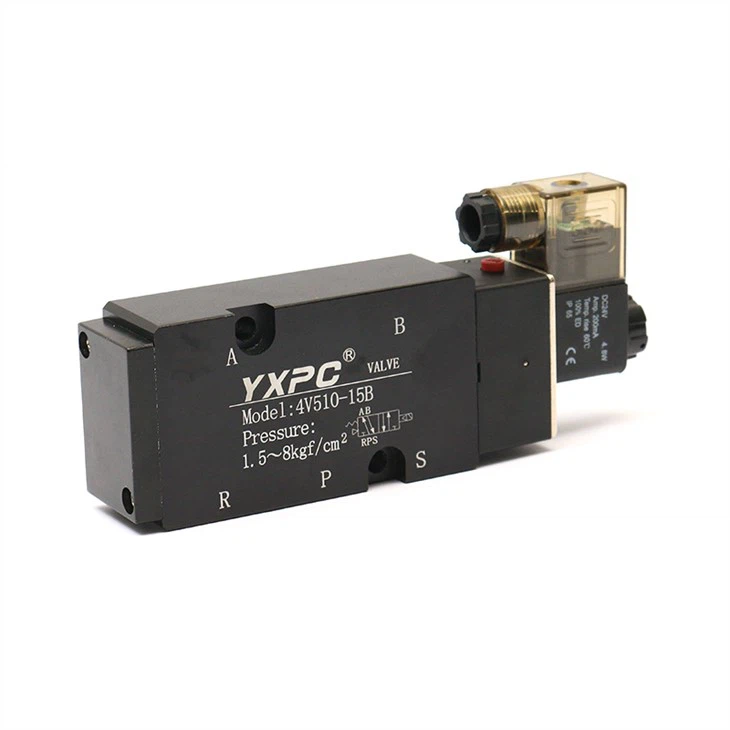
At our company, we offer a wide range of Namur solenoids with different IP ratings to suit various applications. Our Pneumatic Solenoid Valve 12 Volt comes with an IP65 rating, which means it's dust - tight and protected against low - pressure water jets. This makes it perfect for general industrial applications where there's a moderate risk of dust and water exposure.
If you're looking for a solenoid that can handle a bit more water, our Pneumatic Three Way Valve is rated IP67. It can withstand temporary immersion in water, which is great for outdoor or wet environments.
And for the most demanding applications, our Double Acting Actuator Valve Pneumatic has an IP69K rating. This solenoid can handle high - temperature, high - pressure water jets, making it suitable for food processing, automotive cleaning, and other heavy - duty applications.

Choosing the Right IP Rating
When choosing a Namur solenoid, it's important to consider the environment in which it will be used. If the solenoid will be installed in a clean, dry indoor environment, a lower IP rating like IP30 or IP40 might be sufficient. However, if it will be exposed to dust, water, or chemicals, you'll want to choose a solenoid with a higher IP rating.
It's also important to consider the cost. Solenoids with higher IP ratings are generally more expensive, so you'll need to balance your budget with the level of protection you need.
Conclusion
In conclusion, the IP rating of a Namur solenoid is a crucial factor to consider when choosing the right solenoid for your application. It tells you how well the solenoid can protect itself against dust and water, which can significantly affect its performance and lifespan.
If you're in the market for a Namur solenoid and need help choosing the right one with the appropriate IP rating, don't hesitate to reach out. We're here to assist you in finding the perfect solution for your specific needs. Whether you're working on a small - scale project or a large - scale industrial application, we've got the expertise and the products to support you.
References
- International Electrotechnical Commission (IEC) standards on Ingress Protection (IP) ratings
- Industry publications on industrial automation and pneumatic systems
No Information