

What are the common problems with 5 Way Pneumatic Valves?
As a supplier of 5 Way Pneumatic Valves, I've had the privilege of engaging with a wide range of customers across various industries. Through these interactions, I've gained valuable insights into the common problems that users encounter with these valves. In this blog post, I'll share some of these issues and discuss potential solutions.
1. Leakage
One of the most prevalent problems with 5 Way Pneumatic Valves is leakage. Leakage can occur at various points in the valve, such as the seals, connections, or the valve body itself. There are several reasons for this issue:
- Worn Seals: Over time, the seals in the valve can wear out due to continuous use, exposure to harsh environments, or improper installation. When the seals are worn, air can escape, leading to a loss of pressure and reduced efficiency.
- Loose Connections: If the connections between the valve and the pneumatic system are not tightened properly, air can leak out. This can happen during installation or due to vibrations in the system.
- Cracked Valve Body: Physical damage to the valve body, such as cracks or fractures, can also cause leakage. This can be the result of impact, excessive pressure, or corrosion.
To address leakage issues, regular maintenance is crucial. Inspect the seals regularly and replace them if they show signs of wear. Ensure that all connections are tightened to the recommended torque. If the valve body is damaged, it may need to be replaced.
2. Solenoid Failure
The solenoid is an essential component of a 5 Way Pneumatic Valve, as it controls the flow of air by opening and closing the valve. Solenoid failure can occur due to several reasons:
- Electrical Issues: Problems with the electrical supply, such as voltage fluctuations, short circuits, or damaged wiring, can cause the solenoid to malfunction.
- Overheating: Continuous use or improper ventilation can cause the solenoid to overheat, leading to damage.
- Mechanical Wear: The moving parts in the solenoid can wear out over time, affecting its performance.
To prevent solenoid failure, ensure that the electrical supply is stable and within the recommended voltage range. Provide adequate ventilation to prevent overheating. Regularly inspect the solenoid for signs of wear and replace it if necessary.
3. Contamination
Contamination is another common problem that can affect the performance of 5 Way Pneumatic Valves. Contaminants such as dust, dirt, and moisture can enter the valve and cause blockages or damage to the internal components.
- Airborne Particles: In industrial environments, airborne particles can easily enter the pneumatic system and accumulate in the valve. This can lead to reduced flow and increased wear on the valve components.
- Moisture: Moisture can cause corrosion and rust in the valve, which can affect its performance and lifespan.
- Oil and Grease: If the pneumatic system uses oil or grease for lubrication, these substances can also contaminate the valve and cause problems.
To prevent contamination, use air filters and dryers in the pneumatic system to remove particles and moisture. Regularly clean the valve and its components to remove any accumulated contaminants.
4. Incorrect Valve Selection
Selecting the wrong 5 Way Pneumatic Valve for a specific application can also lead to problems. Some common issues related to incorrect valve selection include:
- Inadequate Flow Capacity: If the valve has a lower flow capacity than required for the application, it can result in reduced performance and increased pressure drop.
- Incompatible Pressure Rating: Using a valve with a lower pressure rating than the system pressure can cause the valve to fail or leak.
- Wrong Actuation Method: Choosing the wrong actuation method, such as manual or solenoid, can also affect the valve's performance.
To ensure proper valve selection, carefully consider the requirements of the application, including flow rate, pressure, temperature, and actuation method. Consult with a valve expert if necessary to select the right valve for your needs.
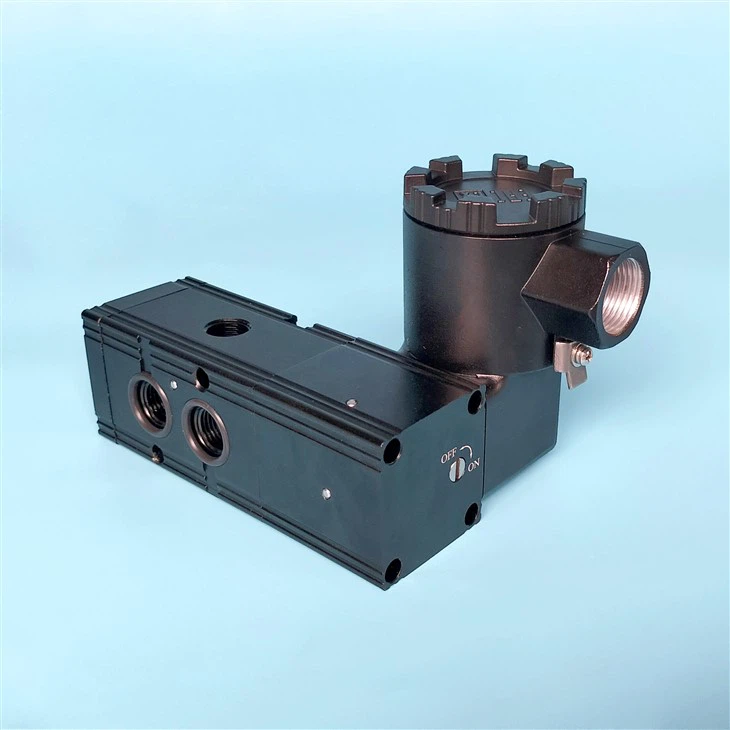

5. Improper Installation
Improper installation can also cause problems with 5 Way Pneumatic Valves. Some common installation issues include:
- Incorrect Orientation: Installing the valve in the wrong orientation can affect its performance and cause leakage.
- Tightening Torque: Over-tightening or under-tightening the connections can lead to leakage or damage to the valve.
- Lack of Support: If the valve is not properly supported, it can vibrate and cause damage to the internal components.
To ensure proper installation, follow the manufacturer's instructions carefully. Use the correct tools and techniques to install the valve, and ensure that it is properly supported.
Solutions and Recommendations
To address these common problems, here are some solutions and recommendations:
- Regular Maintenance: Establish a regular maintenance schedule to inspect and clean the valve, replace worn seals and components, and check for any signs of damage or leakage.
- Proper Installation: Ensure that the valve is installed correctly, following the manufacturer's instructions. Use the correct tools and techniques, and ensure that all connections are tightened to the recommended torque.
- Quality Components: Use high-quality valves and components to ensure reliable performance and longevity.
- Training and Education: Provide training to your employees on the proper use and maintenance of 5 Way Pneumatic Valves. This can help prevent common problems and ensure the efficient operation of your pneumatic system.
Conclusion
In conclusion, 5 Way Pneumatic Valves are essential components in many industrial applications, but they can experience several common problems. By understanding these problems and taking appropriate measures to prevent and address them, you can ensure the reliable performance and longevity of your valves. If you have any questions or need further assistance with 5 Way Pneumatic Valves, please feel free to [contact us for procurement and further discussion]. We are here to help you find the right solutions for your needs.
References
- Pneumatic Valve Handbook, various editions
- Industry standards and guidelines for pneumatic systems
For more information about our products, you can visit the following links: