

What are the disadvantages of pneumatic valves?
Hey there! As a supplier of pneumatic valves, I've been in the industry for quite a while, and I know these valves inside out. Today, I'm gonna talk about the not - so - great sides of pneumatic valves.
Let's start with the energy consumption. Pneumatic valves rely on compressed air to operate. Producing compressed air is an energy - intensive process. You need a compressor, and these things can guzzle a lot of electricity. The compressor has to run continuously to maintain the required air pressure for the valves to work properly. And let's not forget about the maintenance of the compressor. It needs regular servicing, like changing filters and checking the seals. All these add up to the overall cost of using pneumatic valves. If you're running a large - scale operation with multiple pneumatic valves, the energy bill can be a real headache.
Another big disadvantage is the noise level. When the compressed air is released or regulated by the pneumatic valve, it creates a lot of noise. This can be a real nuisance in a workplace. Imagine working in a factory where there are dozens of pneumatic valves constantly hissing and popping. It's not only annoying but can also lead to hearing problems for the workers over time. You might need to install sound - proofing equipment to reduce the noise, which is an additional expense.
Pneumatic valves also have issues with moisture. Compressed air usually contains moisture, and when this moist air passes through the valves, it can cause corrosion. Corrosion can damage the internal components of the valve, like the seals and the pistons. This can lead to leaks and reduced performance of the valve. You might think you can just dry the compressed air, but that's easier said than done. Installing air dryers is an extra cost, and they also need maintenance. If the air dryer fails or isn't maintained properly, the moisture will still find its way into the valves.
The response time of pneumatic valves can be a drawback in some applications. Compared to electric valves, pneumatic valves are a bit slower to open and close. This is because it takes time for the compressed air to build up the pressure needed to actuate the valve. In applications where you need very quick responses, like in high - speed automation processes, this delay can be a deal - breaker. You might end up having to use other types of valves instead of pneumatic ones.
Pneumatic valves also require a relatively complex system to operate. You need a compressor, air lines, regulators, and filters. All these components need to be installed and maintained properly. If there's a problem with any part of the system, it can affect the performance of the valve. For example, if there's a blockage in the air line, the valve might not open or close correctly. Troubleshooting these systems can be time - consuming and requires specialized knowledge.
Now, let's talk about the cost. As I mentioned earlier, the initial investment in a pneumatic valve system is high. You need to buy the compressor, the valves themselves, and all the other components. And then there are the ongoing costs of energy, maintenance, and replacement parts. If you're on a tight budget, a pneumatic valve system might not be the best choice.
In some cases, the size of pneumatic valves can be a problem. They are generally bulkier than other types of valves. This can be an issue if you have limited space in your equipment or installation area. You might have to make special arrangements to fit the pneumatic valves, which can add to the complexity and cost of the project.
The reliability of pneumatic valves can also be a concern. Since they have many moving parts, there's a higher chance of something going wrong. For example, the seals can wear out over time, leading to leaks. And if the compressed air pressure is not stable, it can cause the valve to malfunction. This means you need to have a regular inspection and maintenance schedule, which takes time and resources.
However, it's important to note that despite these disadvantages, pneumatic valves still have their uses. They are robust, can handle high - pressure applications, and are suitable for many industrial environments.
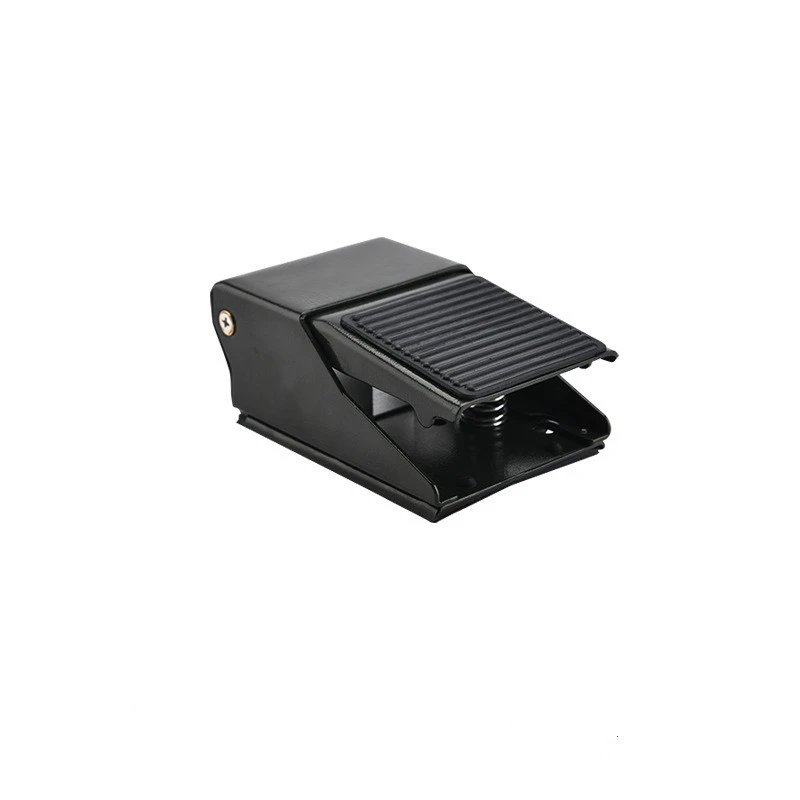
If you're considering Pneumatic Actuated Butterfly Valve, Pneumatic Foot Pedal Valve or manual pneumatic lever valve, it's crucial to weigh these disadvantages against your specific requirements.
If you're still interested in learning more about pneumatic valves or want to discuss a potential purchase, I'm here to help. We can have a chat about your needs and see if pneumatic valves are the right fit for your project. Just reach out, and we can start the conversation.

References
- "Pneumatic Systems Handbook" - A comprehensive guide on pneumatic systems and their components.
- Industry reports on valve technologies and their performance in different applications.