

What is the function of the pilot hole in solenoid valve parts?
Hey there! As a supplier of Solenoid Valve Parts, I've been getting a lot of questions lately about the pilot hole in solenoid valve parts. So, I thought I'd take some time to break it down and explain its function.

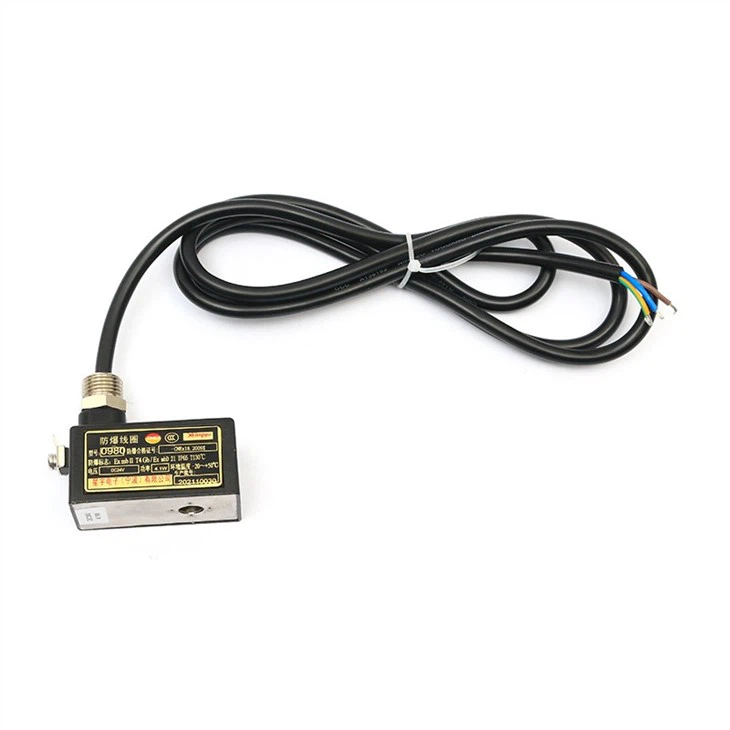
First off, let's talk about what a solenoid valve is. A solenoid valve is an electromechanically operated valve. It uses an electric current to generate a magnetic field, which in turn moves a plunger or a spool to open or close the valve. These valves are used in a wide range of applications, from industrial processes to home appliances.
Now, let's get to the pilot hole. The pilot hole plays a crucial role in the operation of many solenoid valves, especially those that are pilot - operated. In a pilot - operated solenoid valve, the main valve opening and closing is controlled by a smaller pilot valve. The pilot hole is the passage through which the fluid (either gas or liquid) can flow to operate this pilot valve.
One of the key functions of the pilot hole is to provide a means for pressure equalization. When the solenoid is energized, it first opens the pilot valve. The fluid then flows through the pilot hole, creating a pressure difference across the main valve. This pressure difference helps to move the main valve disc or piston, allowing the main valve to open. When the solenoid is de - energized, the pilot valve closes, and the pressure across the main valve equalizes again through the pilot hole, causing the main valve to close.
Another important function is related to the speed of operation. The size of the pilot hole can significantly affect how quickly the solenoid valve opens and closes. A larger pilot hole allows more fluid to flow through it in a shorter period, which means the pressure difference across the main valve can be established more rapidly. This results in a faster opening and closing time of the valve. On the other hand, a smaller pilot hole restricts the flow of fluid, leading to a slower operation.
Let's say you're working in an application where you need a very fast - acting valve, like in a high - speed automated production line. In this case, you might want to choose a solenoid valve with a relatively large pilot hole. But if you're dealing with a system where a slower, more controlled operation is required, such as in a chemical dosing system, a smaller pilot hole would be more appropriate.
The pilot hole also helps in reducing the power consumption of the solenoid valve. Since the pilot valve is much smaller than the main valve, it requires less force to open and close. By using the pilot hole to control the main valve through the pilot valve, the solenoid only needs to operate the small pilot valve. This means less energy is needed to drive the solenoid, making the overall valve more energy - efficient.
Now, let's talk about some of the potential issues related to the pilot hole. One common problem is clogging. If the fluid flowing through the valve contains particles or debris, these can get stuck in the pilot hole. A clogged pilot hole can prevent the proper operation of the pilot valve, which in turn can cause the main valve to malfunction. To prevent this, it's important to use proper filtration in the system.
Another issue is erosion. Over time, the high - velocity flow of fluid through the pilot hole can cause erosion of the hole's walls. This can change the size of the pilot hole, which will affect the valve's performance. Regular inspection and maintenance of the solenoid valve parts can help detect and address these issues before they cause major problems.
As a Solenoid Valve Parts supplier, we offer a wide range of solenoid valve parts, including those with different sizes and configurations of pilot holes. For example, we have the pneumatic solenoid valve coil 220vac, which is designed to work with various pilot - operated solenoid valves. This coil provides reliable power to the solenoid, ensuring smooth operation of the valve and the pilot hole mechanism.
We also have the ex proof 220vac solenoid coil. This coil is suitable for use in hazardous environments where explosion - proof equipment is required. It works in harmony with the pilot hole system to control the flow of fluid safely.
And of course, our 220V AC Solenoid Valve Coil is a popular choice for many industrial applications. It provides the necessary magnetic force to operate the solenoid and control the pilot valve through the pilot hole.
If you're in the market for solenoid valve parts, whether it's for a new project or to replace worn - out parts in an existing system, we're here to help. We understand the importance of the pilot hole and how it affects the overall performance of the solenoid valve. Our team of experts can assist you in choosing the right parts with the appropriate pilot hole size and configuration for your specific application.
Don't hesitate to reach out to us for more information or to start a procurement discussion. We're committed to providing high - quality solenoid valve parts and excellent customer service. Let's work together to ensure your solenoid valve systems operate at their best.
References
- "Solenoid Valve Handbook" - A comprehensive guide on solenoid valve technology and operation.
- Industry research papers on fluid control systems and solenoid valve performance.