

What is the fluid compatibility of a Namur solenoid valve?
Fluid compatibility is a crucial aspect when it comes to the proper functioning and longevity of Namur solenoid valves. As a dedicated Namur Solenoid supplier, I understand the significance of ensuring that these valves are compatible with the fluids they are intended to handle. In this blog post, I will delve into the concept of fluid compatibility of Namur solenoid valves, exploring the factors that influence it, and the importance of making the right choices.
Understanding Namur Solenoid Valves
Before we discuss fluid compatibility, it's essential to have a basic understanding of Namur solenoid valves. Namur solenoid valves are a type of pneumatic valve commonly used in industrial applications. They are designed to meet the standards set by the NAMUR (Normenarbeitsgemeinschaft für Mess- und Regelungstechnik in der Chemischen Industrie) organization, which ensures a high level of interchangeability and reliability.
These valves are typically used to control the flow of compressed air or other gases in pneumatic systems. They are often mounted directly on pneumatic actuators, providing a compact and efficient solution for controlling the movement of valves, cylinders, and other pneumatic devices.
Factors Affecting Fluid Compatibility
Several factors can influence the fluid compatibility of Namur solenoid valves. These factors need to be carefully considered to ensure that the valves can operate effectively and safely in the intended application.
Chemical Composition of the Fluid
The chemical composition of the fluid is one of the most critical factors affecting fluid compatibility. Different fluids have different chemical properties, such as acidity, alkalinity, and reactivity. Some fluids may be corrosive, which can cause damage to the valve components over time. For example, acidic fluids can corrode metal parts, while alkaline fluids may attack rubber seals.
It's essential to know the exact chemical composition of the fluid and select a Namur solenoid valve that is made from materials that are resistant to the specific chemicals in the fluid. For instance, if the fluid contains corrosive chemicals, valves with stainless steel or special alloy bodies may be required. Rubber seals should also be selected based on their chemical resistance to the fluid.
Temperature of the Fluid
The temperature of the fluid can also have a significant impact on the fluid compatibility of Namur solenoid valves. High temperatures can cause the materials of the valve to expand, which may affect the sealing performance and the overall operation of the valve. On the other hand, low temperatures can make some materials brittle, increasing the risk of cracking or failure.
Valves are typically rated for a specific temperature range. It's crucial to ensure that the operating temperature of the fluid falls within this range. If the fluid temperature is outside the rated range, special high-temperature or low-temperature valves may be needed.
Pressure of the Fluid
The pressure of the fluid is another important factor to consider. Namur solenoid valves are designed to operate within a certain pressure range. Exceeding the maximum pressure rating can cause the valve to malfunction or even fail catastrophically.
When selecting a valve, it's essential to know the maximum and minimum pressure of the fluid in the system. The valve should be chosen with a pressure rating that is suitable for the application. Additionally, proper pressure relief devices should be installed in the system to prevent overpressure situations.
Flow Rate of the Fluid
The flow rate of the fluid can also affect the performance of Namur solenoid valves. Valves have a specific flow capacity, which is determined by their size and design. If the flow rate of the fluid is too high for the valve, it may cause excessive pressure drop, reduced flow control, or even damage to the valve.
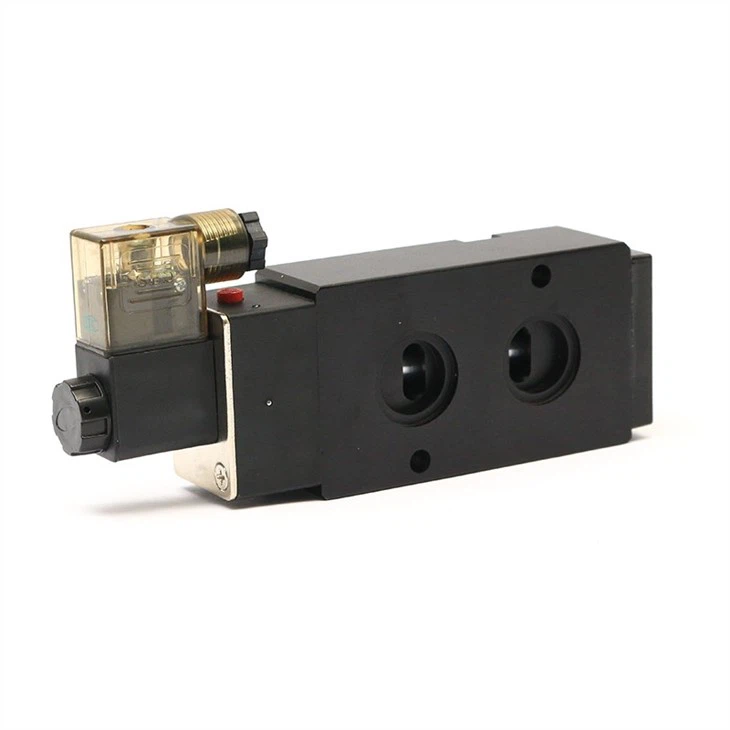

It's important to calculate the required flow rate of the fluid in the system and select a valve with an appropriate flow capacity. This ensures that the valve can handle the fluid flow without any issues.
Importance of Fluid Compatibility
Ensuring proper fluid compatibility of Namur solenoid valves is crucial for several reasons.
Reliability and Performance
When a valve is compatible with the fluid it is handling, it can operate reliably and efficiently. The valve components will not be damaged by the fluid, which reduces the risk of leaks, malfunctions, and breakdowns. This leads to a more stable and predictable operation of the pneumatic system.
Safety
Fluid compatibility is also essential for safety. Incompatible fluids can cause the valve to fail, which may lead to leaks of hazardous fluids. This can pose a significant risk to the health and safety of workers and the environment. By selecting valves that are compatible with the fluids, the risk of such incidents can be minimized.
Longevity
Proper fluid compatibility can extend the lifespan of Namur solenoid valves. When the valve components are not exposed to corrosive or damaging fluids, they will wear out more slowly, reducing the need for frequent replacements. This can result in cost savings in the long run.
Selecting the Right Namur Solenoid Valve for Fluid Compatibility
As a Namur Solenoid supplier, I can provide guidance on selecting the right valve for your specific application. Here are some steps to follow when choosing a valve based on fluid compatibility:
Identify the Fluid
The first step is to identify the fluid that the valve will be handling. This includes knowing the chemical composition, temperature, pressure, and flow rate of the fluid. You can obtain this information from the fluid supplier or by conducting laboratory tests.
Research Valve Materials
Once you know the fluid properties, research the materials that are compatible with the fluid. Look for valves made from materials such as stainless steel, brass, or special alloys that can resist the chemical attack of the fluid. Also, consider the type of seals and gaskets used in the valve, as they need to be compatible with the fluid as well.
Check the Valve Ratings
Make sure to check the temperature, pressure, and flow rate ratings of the valve. Ensure that these ratings are suitable for the operating conditions of your system. If necessary, consult with a valve expert or the valve manufacturer for advice.
Consider the Application
The specific application of the valve also needs to be considered. For example, if the valve is used in a critical process where any failure can have serious consequences, you may need to choose a higher-quality valve with additional features such as redundancy or fail-safe operation.
Recommended Namur Solenoid Valves for Different Fluids
Here are some recommended Namur solenoid valves for different types of fluids:
For Compressed Air
Compressed air is one of the most common fluids used in pneumatic systems. For applications involving compressed air, standard Namur solenoid valves made from brass or aluminum are usually sufficient. These valves are cost-effective and can provide reliable performance. You can find a variety of such valves at Pneumatic Three Way Valve.
For Chemical Fluids
When handling chemical fluids, it's important to choose valves made from materials that are resistant to the specific chemicals. Stainless steel valves are often a good choice for many chemical applications. You can explore a range of namur pneumatic solenoid valve that are suitable for chemical fluids.
For High-Pressure Applications
In high-pressure applications, valves with a higher pressure rating are required. Double acting actuator Valve Pneumatic valves are designed to handle high pressures and provide precise control. You can find suitable valves for high-pressure applications at double acting actuator Valve Pneumatic.
Conclusion
Fluid compatibility is a critical factor in the selection and operation of Namur solenoid valves. By understanding the factors that affect fluid compatibility, the importance of ensuring it, and how to select the right valve, you can ensure the reliable and safe operation of your pneumatic system.
As a Namur Solenoid supplier, I am committed to providing high-quality valves that are compatible with a wide range of fluids. If you have any questions or need assistance in selecting the right valve for your application, please do not hesitate to contact me for a purchase discussion. I look forward to helping you find the best solution for your needs.
References
- ASCO Numatics. (2023). Solenoid Valve Handbook.
- Parker Hannifin Corporation. (2023). Pneumatic Valve Selection Guide.