

How to choose the right pneumatic steam valve?
When it comes to industrial operations, the selection of the right pneumatic steam valve is crucial for ensuring efficient and safe processes. As a trusted pneumatic steam valve supplier, we understand the complexities involved in this decision-making process. In this blog post, we will guide you through the key factors to consider when choosing the appropriate pneumatic steam valve for your specific needs.
Understanding the Basics of Pneumatic Steam Valves
Pneumatic steam valves are essential components in systems where the flow of steam needs to be controlled. They operate using compressed air, which provides a reliable and responsive means of opening and closing the valve. These valves are commonly used in various industries, including power generation, chemical processing, food and beverage, and pharmaceuticals.
The primary function of a pneumatic steam valve is to regulate the flow, pressure, and temperature of steam within a system. They can be used for on/off control or for modulating the steam flow to maintain precise process conditions. The choice between these two types of control depends on the specific requirements of your application.
Factors to Consider When Choosing a Pneumatic Steam Valve
1. Operating Pressure and Temperature
One of the most critical factors to consider is the operating pressure and temperature of the steam system. Steam valves are designed to handle specific pressure and temperature ranges, and exceeding these limits can lead to valve failure and safety hazards. It is essential to select a valve that is rated for the maximum pressure and temperature that your system will encounter.
For high-pressure applications, valves with robust construction and strong sealing materials are required. Similarly, in high-temperature environments, the valve materials must be able to withstand the heat without losing their integrity. Our pneumatic steam valves are engineered to provide reliable performance under a wide range of pressure and temperature conditions.
2. Flow Rate
The flow rate of steam through the valve is another important consideration. The valve size should be selected based on the required flow rate of your system. A valve that is too small may cause excessive pressure drop, which can reduce the efficiency of the process. On the other hand, a valve that is too large may result in poor control and instability.
To determine the appropriate valve size, you need to calculate the flow rate based on the specific requirements of your application. This calculation takes into account factors such as the size of the pipeline, the type of steam (saturated or superheated), and the pressure drop across the valve. Our technical experts can assist you in performing these calculations and selecting the right valve size for your needs.
3. Valve Type
There are several types of pneumatic steam valves available, each with its own advantages and disadvantages. The most common types include globe valves, ball valves, and butterfly valves.
- Globe Valves: These valves are known for their excellent throttling capabilities and are suitable for applications where precise flow control is required. They have a linear flow characteristic, which means that the flow rate is directly proportional to the valve opening.
- Ball Valves: Ball valves offer a quick and easy on/off control and are ideal for applications where a tight shut-off is needed. They have a quarter-turn operation, which allows for fast opening and closing of the valve.
- Butterfly Valves: Butterfly valves are lightweight and compact, making them suitable for applications where space is limited. They are also relatively inexpensive and offer good flow control capabilities.
The choice of valve type depends on the specific requirements of your application, such as the type of flow control needed (on/off or modulating), the pressure drop across the valve, and the size of the pipeline.
4. Material of Construction
The material of construction of the valve is an important factor to consider, as it determines the valve's resistance to corrosion, erosion, and high temperatures. The most common materials used for pneumatic steam valves include stainless steel, carbon steel, and brass.
- Stainless Steel: Stainless steel is a popular choice for steam valves due to its excellent corrosion resistance and high strength. It is suitable for applications where the steam contains impurities or where the valve is exposed to harsh environments.
- Carbon Steel: Carbon steel is a cost-effective option for steam valves and is commonly used in applications where the operating conditions are not too severe. It has good strength and durability but may be prone to corrosion if not properly protected.
- Brass: Brass is a lightweight and corrosion-resistant material that is commonly used for small steam valves. It is suitable for applications where the operating pressure and temperature are relatively low.
The choice of material depends on the specific requirements of your application, such as the type of steam, the presence of impurities, and the operating environment.
5. Actuator Type
The actuator is the component that provides the force to open and close the valve. There are two main types of actuators used for pneumatic steam valves: diaphragm actuators and piston actuators.

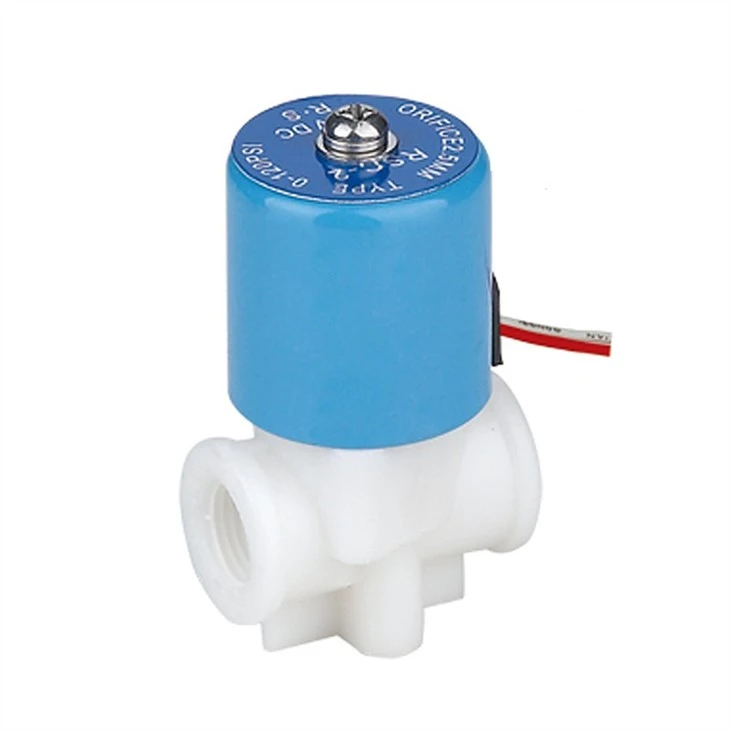
- Diaphragm Actuators: Diaphragm actuators are simple and reliable and are commonly used for small to medium-sized valves. They operate using compressed air to move a diaphragm, which in turn opens or closes the valve.
- Piston Actuators: Piston actuators are more powerful and are suitable for large valves or applications where high forces are required. They operate using compressed air to move a piston, which provides the necessary force to open or close the valve.
The choice of actuator type depends on the size and type of the valve, as well as the required operating force.
6. Safety Features
Safety is a top priority when it comes to using pneumatic steam valves. It is important to select a valve that has appropriate safety features to prevent accidents and ensure the safety of the operators and the equipment. Some of the common safety features include:
- Overpressure Protection: This feature prevents the valve from opening beyond its rated pressure, which can cause damage to the valve and the system.
- Temperature Protection: This feature ensures that the valve operates within the specified temperature range, which helps to prevent damage to the valve materials.
- Emergency Shut-Off: This feature allows the valve to be quickly closed in case of an emergency, which helps to prevent the spread of steam and reduce the risk of accidents.
Our pneumatic steam valves are designed with these safety features to provide reliable and safe operation.
Additional Considerations
In addition to the factors mentioned above, there are several other considerations that you may need to take into account when choosing a pneumatic steam valve. These include:
1. Maintenance Requirements
Regular maintenance is essential for ensuring the proper functioning and longevity of the valve. It is important to choose a valve that is easy to maintain and has readily available spare parts. Our pneumatic steam valves are designed for easy maintenance, and we offer a comprehensive range of spare parts to ensure that your valves are always in good working condition.
2. Cost
Cost is always a consideration when making a purchasing decision. However, it is important to remember that the cheapest option may not always be the best choice. It is essential to consider the long-term cost of ownership, including the cost of maintenance, repairs, and replacement. Our pneumatic steam valves offer a good balance between cost and performance, and we are committed to providing our customers with high-quality products at competitive prices.
3. Compatibility with Other Components
When choosing a pneumatic steam valve, it is important to ensure that it is compatible with the other components in your system, such as the pipeline, the actuator, and the control system. Our technical experts can assist you in ensuring that the valve you choose is compatible with your existing system or can provide recommendations for a complete system solution.
Related Products
If you are also interested in other types of valves for your fluid control needs, we would like to introduce some of our related products. You can find more information about 24 Volt Solenoid Valve Water, Ro Water Purifier Solenoid Valve, and Electric Water Valve 220v by clicking on the links.
Contact Us for Purchase and Consultation
Choosing the right pneumatic steam valve can be a complex process, but our team of experts is here to help. We have extensive experience in supplying high-quality pneumatic steam valves to a wide range of industries and can provide you with the technical support and guidance you need to make the right decision.
If you are interested in purchasing pneumatic steam valves or have any questions about our products, please contact us for a consultation. We look forward to working with you to meet your fluid control needs.
References
- "Valve Handbook", by Thorkild Richter
- "Steam Engineering: Fundamentals and Applications", by John A. Clarke