

Can a fluid solenoid valve be used for abrasive fluids?
As a trusted supplier of fluid solenoid valves, I often encounter questions from customers regarding the suitability of our valves for various types of fluids. One of the most common inquiries is whether a fluid solenoid valve can be used for abrasive fluids. In this blog post, I will delve into this topic, exploring the challenges and considerations associated with using fluid solenoid valves in abrasive fluid applications.
Understanding Abrasive Fluids
Abrasive fluids contain solid particles that can cause wear and tear on the components of a valve. These particles can range in size from fine powders to larger granules, and their hardness can vary significantly. Common examples of abrasive fluids include slurries, sand-laden water, and industrial wastewater with suspended solids. The abrasive nature of these fluids poses unique challenges for valve performance and longevity.
Challenges of Using Solenoid Valves with Abrasive Fluids
Wear and Tear
The most significant challenge when using a fluid solenoid valve with abrasive fluids is the wear and tear on the valve components. The solid particles in the fluid can erode the valve seat, diaphragm, and other internal parts, leading to leakage, reduced flow control, and ultimately, valve failure. Over time, this wear can also cause the valve to become less responsive, affecting the overall efficiency of the system.
Clogging
Another challenge is the potential for clogging. Abrasive particles can accumulate in the valve passages, obstructing the flow of fluid and causing the valve to malfunction. This is particularly problematic in valves with small orifices or intricate internal designs, as even a small amount of debris can disrupt the normal operation of the valve.
Corrosion
In addition to wear and clogging, abrasive fluids can also cause corrosion. Some abrasive particles may be chemically reactive, which can lead to the degradation of the valve materials. Corrosion can weaken the valve structure, compromise its sealing ability, and increase the risk of leaks.
Considerations for Using Solenoid Valves with Abrasive Fluids
Material Selection
When selecting a fluid solenoid valve for abrasive fluid applications, material selection is crucial. Valves made from hard, wear-resistant materials such as stainless steel, ceramic, or tungsten carbide are often preferred. These materials can withstand the abrasive action of the fluid better than softer materials like brass or plastic. Additionally, the valve's internal components, such as the diaphragm and seals, should be made from materials that are resistant to both abrasion and chemical attack.
Valve Design
The design of the valve can also play a significant role in its performance with abrasive fluids. Valves with a simple, straight-through design are generally more resistant to clogging than those with complex internal geometries. Additionally, valves with large orifices and smooth internal surfaces can help to minimize the accumulation of abrasive particles.
Maintenance and Monitoring
Regular maintenance and monitoring are essential when using fluid solenoid valves with abrasive fluids. This includes inspecting the valve for signs of wear and tear, cleaning the valve passages to remove any accumulated debris, and replacing worn components as needed. Monitoring the valve's performance, such as flow rate and pressure, can also help to detect any potential issues early on and prevent costly downtime.
Our Solutions for Abrasive Fluid Applications
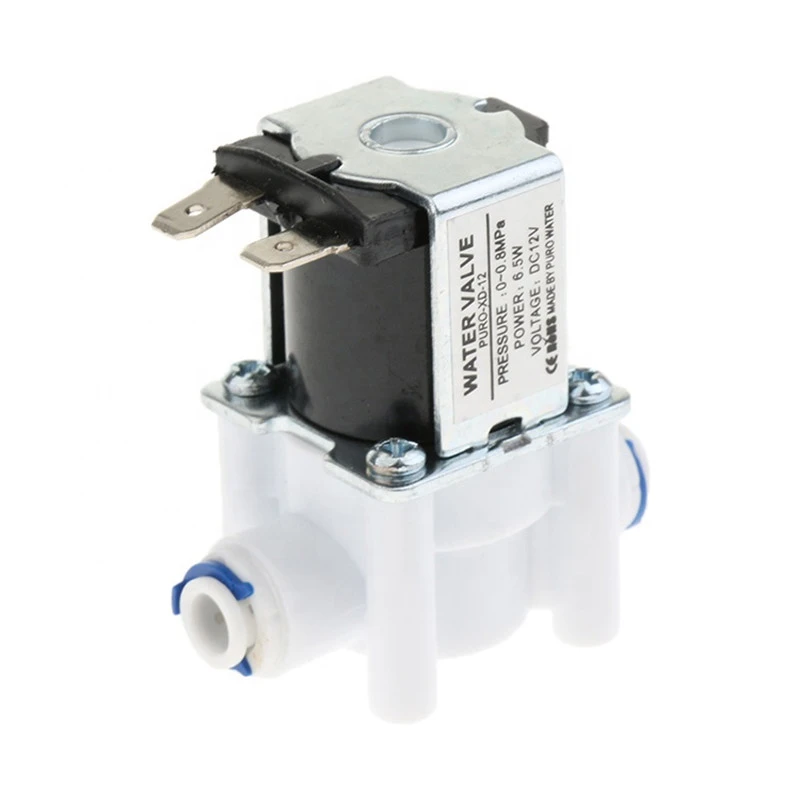
At our company, we understand the unique challenges of using fluid solenoid valves with abrasive fluids. That's why we offer a range of valves specifically designed for these applications. Our Ro Water Purifier Solenoid Valve is made from high-quality stainless steel, which provides excellent resistance to abrasion and corrosion. It also features a simple, straight-through design that minimizes the risk of clogging.
For applications that require precise control of abrasive fluids, our auto drain timer controlled solenoid valve is an ideal choice. This valve is equipped with a timer that allows for automatic draining of the fluid, reducing the chances of particle accumulation and clogging.
In addition, our Pneumatic Steam Valve 2L series is suitable for high-temperature abrasive fluid applications. The valve is constructed with a robust design and made from materials that can withstand the harsh conditions of steam and abrasive particles.

Conclusion
In conclusion, while using a fluid solenoid valve with abrasive fluids presents several challenges, it is possible with the right selection of valve materials, design, and proper maintenance. By understanding the unique characteristics of abrasive fluids and taking appropriate measures to address the associated challenges, you can ensure the reliable and efficient operation of your fluid control system.
If you are considering using a fluid solenoid valve for an abrasive fluid application, I encourage you to contact us to discuss your specific requirements. Our team of experts can help you select the right valve for your needs and provide you with the support and guidance you need to ensure its successful installation and operation.
References
- "Valve Selection Guide for Abrasive Fluids," Valves Magazine, 20XX.
- "Materials for Valves in Abrasive Environments," Journal of Fluid Control, 20XX.
- "Maintenance Best Practices for Solenoid Valves in Abrasive Fluid Applications," Industrial Valve News, 20XX.