

What is the connection type of a Namur solenoid?
Hey there! As a supplier of Namur solenoids, I often get asked about the connection types of these little but super - important components. So, let's dig deep into what makes the connection types of Namur solenoids tick.
First off, what the heck is a Namur solenoid? Well, it's a type of solenoid valve that's widely used in industrial automation. They're super handy for controlling the flow of air or other fluids in pneumatic systems. These valves are named after the Namur standard, which sets specific dimensions and connection details to ensure compatibility between different parts of a pneumatic system.
Now, let's talk about the connection types. There are mainly two common connection types for Namur solenoids: the electrical connection and the pneumatic connection.
Electrical Connection
The electrical connection is all about how we power up the solenoid. It's like giving it the energy it needs to do its job.
Plug - in Connectors
One of the most popular electrical connection methods is using plug - in connectors. These are really convenient because they're easy to install and remove. You just plug them in, and boom, the solenoid is connected to the power source. It's like plugging in your phone charger, but for a solenoid.
There are different types of plug - in connectors available. For example, the M12 connector is quite common. It's a circular connector with a specific number of pins. The number of pins can vary depending on the requirements of the solenoid. Some might have 4 pins, while others could have 8 or more. These pins carry the electrical signals that control the solenoid's operation.
Another type is the DIN connector. DIN connectors are rectangular and come in different sizes. They're often used in industrial settings because they're very reliable and can handle high - voltage and high - current applications.
Cable Connection
Sometimes, instead of using a plug - in connector, we use a direct cable connection. This means that the wires from the power source are directly connected to the terminals on the solenoid. Cable connections are great for applications where you need a more permanent and secure connection. They're also useful in environments where there's a lot of vibration or movement, as the cable is less likely to come loose compared to a plug - in connector.
Pneumatic Connection
The pneumatic connection is all about how the solenoid is connected to the pneumatic system. This is where the air or other fluid flows in and out of the solenoid.
Namur Interface
The Namur interface is the standard pneumatic connection for Namur solenoids. It's designed to ensure compatibility between the solenoid and other pneumatic components, like actuators. The Namur interface has specific dimensions and port sizes. It usually has two main ports: the supply port and the output port.
The supply port is where the compressed air or fluid enters the solenoid. This is the source of power for the solenoid's operation. The output port is where the controlled air or fluid exits the solenoid and goes to the actuator or other parts of the pneumatic system.
The great thing about the Namur interface is that it allows for easy integration with other Namur - compliant components. For example, if you have a Namur Pneumatic Solenoid Valve, it can be easily connected to a Namur - compatible actuator using the standard Namur interface.
Threaded Ports
In addition to the Namur interface, some Namur solenoids also have threaded ports. These ports are used to connect the solenoid to pipes or hoses in the pneumatic system. The threads can be either metric or imperial, depending on the requirements of the application.
Threaded ports are very versatile because they allow for different types of connections. You can use different types of fittings to connect the solenoid to the pipes or hoses. For example, you can use a compression fitting, which is easy to install and provides a tight seal. Or you can use a flare fitting, which is more suitable for high - pressure applications.
Why Connection Types Matter
Now, you might be wondering, why does all this matter? Well, the connection type can have a big impact on the performance and reliability of the Namur solenoid.
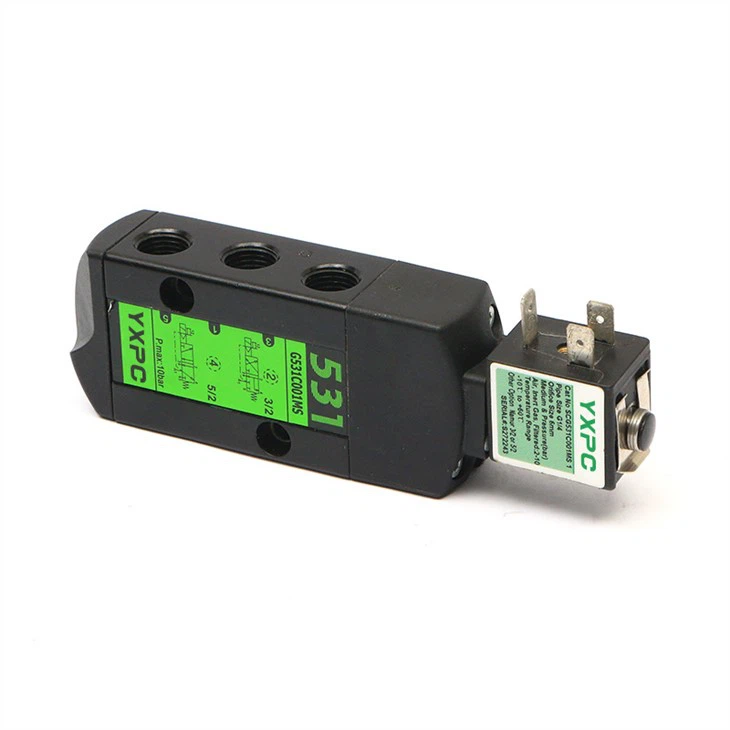
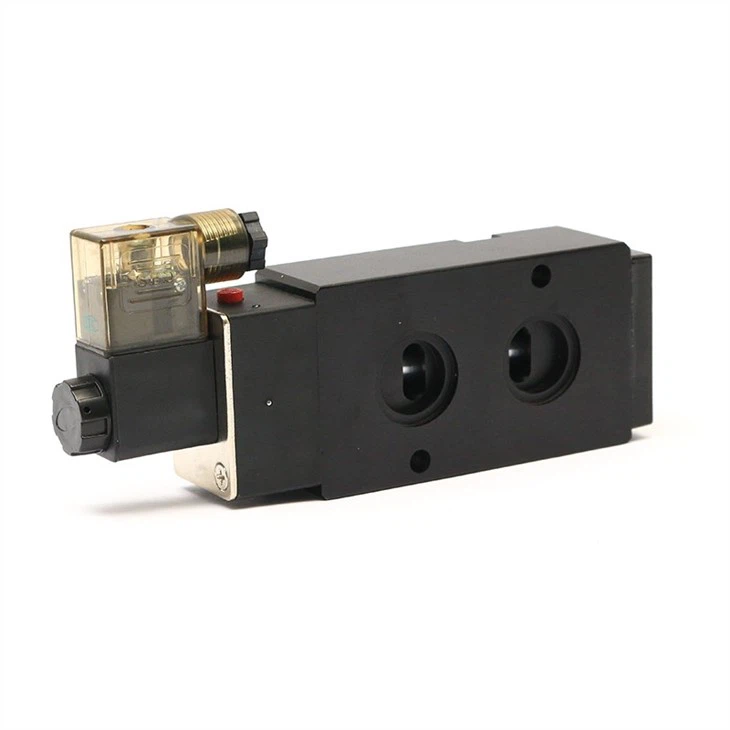
If the electrical connection is not done correctly, the solenoid might not receive the right amount of power. This can lead to problems like the solenoid not operating properly or even burning out. Similarly, if the pneumatic connection is not secure or if there are leaks, it can affect the flow of air or fluid in the system, which can cause the actuator to malfunction.
For example, in a Double Acting Actuator Valve Pneumatic system, a proper connection between the Namur solenoid and the actuator is crucial. If the connection is loose or if there's a leak in the pneumatic system, the actuator might not move smoothly or might not move at all.
Applications and Connection Types
The choice of connection type also depends on the application.
Industrial Automation
In industrial automation, where there are a lot of moving parts and complex systems, plug - in electrical connectors are often preferred because they're easy to install and replace. This is important in a production line where downtime can be very costly. If a solenoid fails, you can quickly replace it by unplugging the old one and plugging in a new one.
For the pneumatic connection, the Namur interface is the go - to choice because it ensures compatibility with other industrial - grade pneumatic components.
Process Control
In process control applications, such as in chemical plants or food processing facilities, cable electrical connections are often used. These environments require a more secure and reliable connection to prevent any electrical interference.
For the pneumatic connection, threaded ports are sometimes used in addition to the Namur interface. This allows for more flexibility in connecting the solenoid to different parts of the process control system.
Conclusion
So, there you have it! The connection types of Namur solenoids are an important part of their operation. Whether it's the electrical connection using plug - in connectors or cable connections, or the pneumatic connection using the Namur interface or threaded ports, each type has its own advantages and is suitable for different applications.
If you're in the market for Namur solenoids or have any questions about their connection types, don't hesitate to reach out. We're here to help you find the right solution for your specific needs. Whether you're looking for a Pneumatic Three Way Valve or a complete pneumatic system, we've got you covered. Let's start a conversation and see how we can work together to make your industrial automation or process control system more efficient and reliable.
References
- "Pneumatic Systems Handbook"
- "Industrial Solenoid Valve Technology Guide"