

What is the pressure rating of a 5 Way Pneumatic Valve?
What is the Pressure Rating of a 5 Way Pneumatic Valve?
As a supplier of 5 Way Pneumatic Valves, I am often asked about the pressure rating of these essential components in pneumatic systems. Understanding the pressure rating is crucial for ensuring the proper functioning, safety, and efficiency of any pneumatic setup. In this blog post, we'll delve into what pressure rating means, how it impacts the performance of a 5 Way Pneumatic Valve, and why it matters in various applications.
What is Pressure Rating?
The pressure rating of a 5 Way Pneumatic Valve refers to the maximum pressure that the valve can safely handle without experiencing failure or significant degradation in performance. It is typically expressed in units of pressure, such as pounds per square inch (psi), bar, or pascals (Pa). This rating is determined through rigorous testing and engineering calculations during the valve's design and manufacturing process.
The pressure rating takes into account several factors, including the material of the valve body, the strength of the seals, and the design of the internal components. For example, valves made from high-strength materials like stainless steel can generally withstand higher pressures compared to those made from plastic or aluminum. Similarly, valves with well-designed seals and robust internal mechanisms are better able to handle extreme pressure conditions.
Importance of Pressure Rating in 5 Way Pneumatic Valves
The pressure rating is a critical consideration when selecting a 5 Way Pneumatic Valve for a specific application. Here's why:
- Safety: Using a valve with a pressure rating lower than the operating pressure of the pneumatic system can lead to valve failure, which may result in leaks, equipment damage, or even injury to personnel. For instance, if a valve rated for 100 psi is used in a system operating at 150 psi, the valve may rupture or develop leaks, posing a significant safety risk.
- Performance: A valve operating within its pressure rating will perform optimally, providing reliable and consistent control of the pneumatic flow. If the pressure exceeds the valve's rating, it may cause erratic behavior, such as improper actuation or reduced flow capacity, which can negatively impact the overall performance of the system.
- Longevity: Operating a valve within its pressure rating helps to extend its service life. Excessive pressure can cause wear and tear on the valve components, leading to premature failure. By choosing a valve with an appropriate pressure rating, you can ensure that the valve lasts longer and requires less frequent maintenance.
Factors Affecting Pressure Rating
Several factors can influence the pressure rating of a 5 Way Pneumatic Valve:

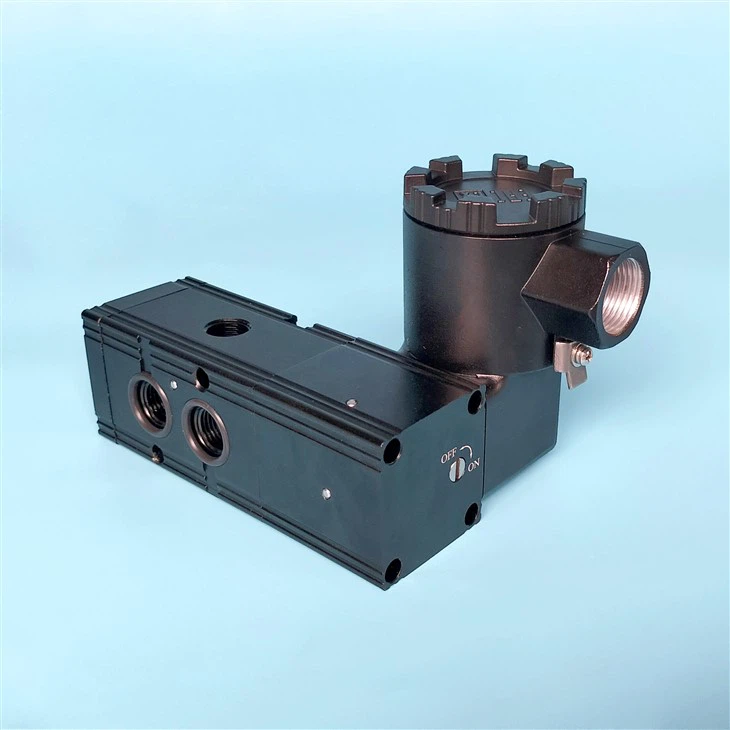
- Valve Design: The design of the valve, including the shape of the valve body, the size and type of ports, and the internal flow path, can affect its pressure handling capabilities. Valves with larger ports and smooth flow paths are generally better able to handle higher pressures.
- Material Selection: The material used to construct the valve body and internal components plays a significant role in determining its pressure rating. High-strength materials like stainless steel, brass, and aluminum are commonly used for valves that need to withstand high pressures.
- Seal Quality: The seals in a 5 Way Pneumatic Valve are critical for preventing leaks and maintaining pressure. High-quality seals made from materials such as nitrile rubber or fluorocarbon are more resistant to pressure and can help to ensure a reliable seal even under high-pressure conditions.
- Operating Temperature: The operating temperature of the pneumatic system can also affect the pressure rating of the valve. Extreme temperatures can cause the materials in the valve to expand or contract, which may affect the performance and integrity of the valve.
Common Pressure Ratings for 5 Way Pneumatic Valves
5 Way Pneumatic Valves are available in a wide range of pressure ratings to suit different applications. Some common pressure ratings include:
- Low Pressure (up to 100 psi): These valves are typically used in applications where the pressure requirements are relatively low, such as in small pneumatic systems or in applications where precise control is required.
- Medium Pressure (100 - 500 psi): Medium-pressure valves are commonly used in industrial applications, such as manufacturing, automation, and robotics. They are designed to handle moderate pressures and provide reliable performance in a variety of operating conditions.
- High Pressure (500 psi and above): High-pressure valves are used in applications where the pressure requirements are extremely high, such as in hydraulic systems or in applications where high-force actuation is required. These valves are typically made from high-strength materials and are designed to withstand the rigors of high-pressure operation.
Choosing the Right Pressure Rating
When selecting a 5 Way Pneumatic Valve, it's important to choose a valve with a pressure rating that is appropriate for your specific application. Here are some steps to help you make the right choice:
- Determine the Operating Pressure: The first step is to determine the maximum operating pressure of your pneumatic system. This can be done by consulting the system specifications or by measuring the pressure using a pressure gauge.
- Consider the Application Requirements: In addition to the operating pressure, you also need to consider the specific requirements of your application, such as the flow rate, the type of fluid being used, and the environmental conditions. For example, if you are using the valve in a corrosive environment, you may need to choose a valve made from a corrosion-resistant material.
- Choose a Valve with a Sufficient Safety Margin: It's always a good idea to choose a valve with a pressure rating that is higher than the maximum operating pressure of your system. This provides a safety margin and helps to ensure that the valve can handle any unexpected pressure spikes or fluctuations.
Our Product Offerings
As a leading supplier of 5 Way Pneumatic Valves, we offer a wide range of valves with different pressure ratings to meet the needs of various applications. Our 24vdc Pneumatic Solenoid Valve is a popular choice for applications that require precise control and reliable performance. It is available in a variety of pressure ratings and can be used in a wide range of industries, including manufacturing, automation, and robotics.
We also offer Explosion Proof 5 Way Pneumatic Valve for applications where safety is a top priority. These valves are designed to prevent the ignition of explosive gases or vapors and are suitable for use in hazardous environments.
In addition, our Air Solenoid Valve 3 Way is a versatile valve that can be used in a variety of applications, including pneumatic actuators, air cylinders, and control systems. It is available in different pressure ratings and can be customized to meet the specific requirements of your application.
Conclusion
The pressure rating of a 5 Way Pneumatic Valve is a critical factor that determines its performance, safety, and longevity. By understanding the pressure rating and choosing a valve with an appropriate rating for your application, you can ensure that your pneumatic system operates efficiently and reliably. As a supplier of 5 Way Pneumatic Valves, we are committed to providing high-quality products and excellent customer service. If you have any questions or need assistance in selecting the right valve for your application, please don't hesitate to contact us. We look forward to working with you to meet your pneumatic valve needs.
References
- Fluid Power Handbook, edited by the Fluid Power Society
- Pneumatic Systems Design and Application, by Robert Shearer
- Industrial Pneumatics: A Practical Approach, by John C. Fischer