

How to select the right Namur solenoid valve for a specific fluid?
Hey there! As a supplier of Namur solenoid valves, I've seen firsthand how crucial it is to pick the right valve for a specific fluid. It's not just about getting the job done; it's about ensuring efficiency, safety, and longevity in your system. So, let's dive into how you can make that smart choice.
Understanding the Basics of Namur Solenoid Valves
First off, what are Namur solenoid valves? They're a type of pneumatic valve commonly used in industrial applications. The "Namur" standard refers to a set of dimensions and mounting interfaces, which makes these valves easy to install on pneumatic actuators. They're controlled by an electrical signal, which energizes a solenoid to open or close the valve and control the flow of fluid.
Factors to Consider When Selecting a Namur Solenoid Valve for a Specific Fluid
1. Fluid Compatibility
This is the biggie. You've got to make sure the valve materials are compatible with the fluid you're working with. Different fluids can be corrosive, abrasive, or reactive, and using the wrong valve can lead to leaks, valve failure, or even safety hazards.
- Chemical Compatibility: For example, if you're dealing with acids or alkalis, you'll need a valve made from materials like stainless steel, PVC, or PTFE. These materials are resistant to corrosion and can withstand the harsh chemical environment.
- Temperature and Pressure: The fluid's temperature and pressure also play a role. High - temperature fluids might require valves with heat - resistant materials, while high - pressure applications need valves that can handle the stress without leaking or failing.
2. Flow Rate Requirements
The flow rate of your fluid is another key factor. You need to choose a valve that can handle the volume of fluid you need to move through the system. If the valve is too small, it can restrict the flow, leading to reduced efficiency and increased energy consumption. On the other hand, if it's too large, it can be wasteful and might not provide precise control.
To determine the right flow rate, you'll need to know the system's requirements, such as the maximum and minimum flow rates, and the pressure drop across the valve. You can use flow rate calculators or consult with an engineer to get accurate numbers.
3. Valve Function
There are different types of Namur solenoid valves, each with its own function. The most common ones are 2 - way and 3 - way valves.
- 2 - Way Valves: These are simple on/off valves. They either allow the fluid to flow or stop it completely. They're great for applications where you just need to control the start and stop of the fluid flow, like in a simple water supply system.
- 3 - Way Valves: These valves can direct the fluid flow in different directions. They're often used in applications where you need to switch between two different flow paths, such as in a pneumatic actuator system. Check out Pneumatic Three Way Valve for more info on these.
4. Actuation Method
Namur solenoid valves can be actuated in different ways, including direct - acting and pilot - operated.
- Direct - Acting Valves: These are suitable for small flow rates and low - pressure applications. They work by directly moving the valve's internal parts when the solenoid is energized.
- Pilot - Operated Valves: These are better for high - flow and high - pressure applications. They use a small pilot valve to control the main valve, which allows them to handle larger volumes of fluid with less power consumption.
5. Electrical Requirements
The electrical requirements of the valve are also important. You need to make sure the valve's voltage and power consumption are compatible with your system's electrical supply. Additionally, consider the type of electrical connection (e.g., DIN connector) and the environmental conditions where the valve will be installed (e.g., explosion - proof requirements).
Real - World Examples
Let's say you're working in a food processing plant. You're dealing with a liquid food product that needs to be controlled in a pneumatic system. In this case, you'll need a valve that is made from food - grade materials to ensure the safety of the product. You'll also need to consider the flow rate requirements based on the production line's speed. A namur pneumatic solenoid valve with the right material and flow capacity would be a good choice.
Another example is in a chemical manufacturing plant. You're handling a corrosive chemical with high temperature and pressure. Here, you'd need a valve made from corrosion - resistant materials like PTFE and designed to handle the high - temperature and high - pressure conditions. A pilot - operated valve might be more suitable for the large flow rates typically found in chemical processes.
Additional Considerations
1. Maintenance and Serviceability
Choose a valve that is easy to maintain and service. This means it should have accessible parts, and replacement parts should be readily available. Regular maintenance can extend the valve's lifespan and prevent costly breakdowns.
2. Cost
While cost shouldn't be the only factor, it's still important. You need to balance the cost of the valve with its performance and features. Sometimes, investing in a higher - quality valve upfront can save you money in the long run due to reduced maintenance and downtime.
Making the Right Choice
Selecting the right Namur solenoid valve for a specific fluid is a multi - step process. It requires a good understanding of your fluid's properties, the system's requirements, and the valve's features. By considering all the factors mentioned above, you can make an informed decision.
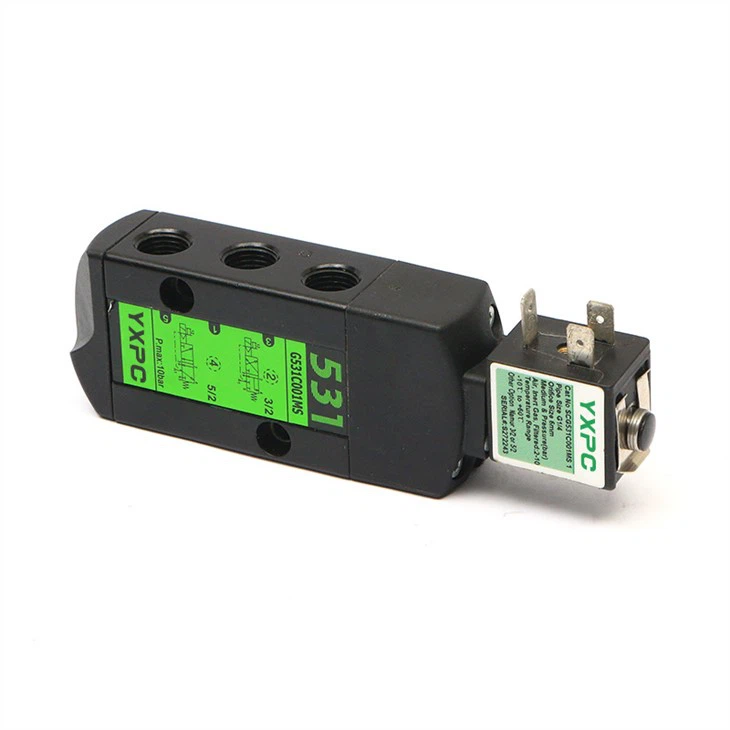

If you're still not sure which valve is right for your application, don't hesitate to reach out. We're here to help you find the perfect double acting actuator Valve Pneumatic or any other Namur solenoid valve for your needs. Whether you're a small - scale operation or a large industrial facility, we've got the expertise and the products to support you.
So, if you're in the market for a Namur solenoid valve, contact us for a consultation. We can guide you through the selection process and make sure you get the valve that will work best for your specific fluid and application. Let's work together to optimize your system's performance and efficiency.
References
- "Pneumatic Systems Handbook" by Festo Corporation
- "Valve Selection Guide" by Emerson Automation Solutions
- Industry standards and guidelines related to fluid handling and valve technology