

How to troubleshoot a 220v air solenoid valve that won't close?
As a trusted supplier of 220v air solenoid valves, I understand the frustration that comes when these crucial components fail to close properly. A malfunctioning solenoid valve can disrupt operations in various industrial and commercial settings, leading to inefficiencies and potential safety hazards. In this blog post, I'll share some practical troubleshooting steps to help you diagnose and resolve issues with a 220v air solenoid valve that won't close.
Understanding the Basics of a 220v Air Solenoid Valve
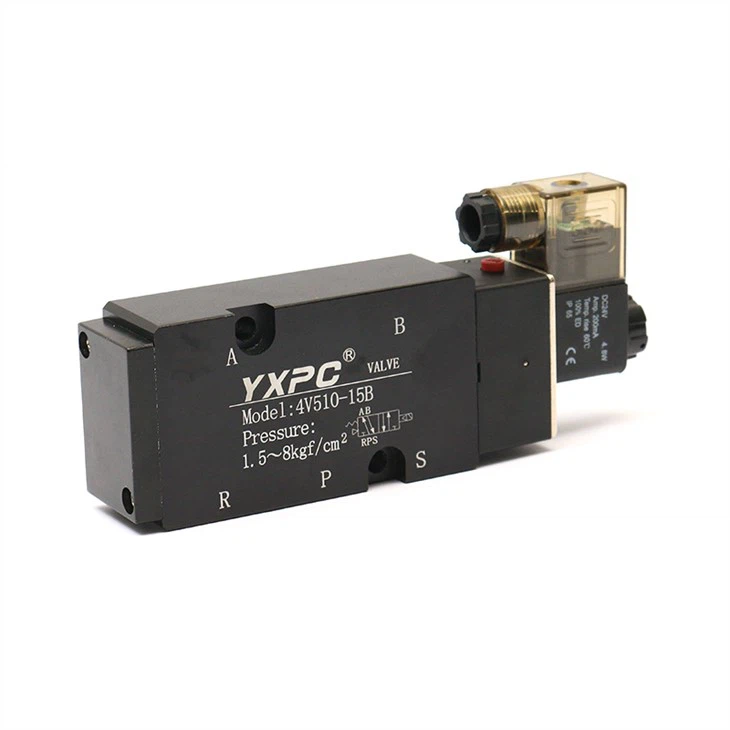
Before we dive into troubleshooting, let's briefly review how a 220v air solenoid valve works. These valves are electromechanical devices that control the flow of air or other gases in a system. When an electrical current is applied to the solenoid coil, it creates a magnetic field that moves a plunger or armature, which in turn opens or closes the valve. In a normally closed (NC) solenoid valve, the valve is closed when there is no power, and it opens when power is applied.

Troubleshooting Steps
Step 1: Check the Power Supply
The first step in troubleshooting a solenoid valve that won't close is to ensure that the power supply is functioning correctly. A 220v air solenoid valve requires a stable 220-volt electrical supply to operate properly. Use a multimeter to measure the voltage at the valve's terminals. If the voltage is below the rated value, there may be an issue with the power source, such as a loose connection, a blown fuse, or a faulty transformer.
Check the wiring connections to the valve for any signs of damage or corrosion. Loose or damaged wires can cause intermittent power issues, preventing the valve from closing properly. Make sure all connections are tight and secure. If you find any damaged wires, replace them with appropriate gauge wire and ensure proper insulation.
Step 2: Inspect the Solenoid Coil
The solenoid coil is the heart of the solenoid valve, and a faulty coil can prevent the valve from closing. Check the coil for any visible signs of damage, such as burns, cracks, or loose windings. A damaged coil may not be able to generate the necessary magnetic field to move the plunger and close the valve.
Use a multimeter to measure the resistance of the solenoid coil. Compare the measured resistance with the manufacturer's specifications. If the resistance is significantly different from the specified value, the coil may be defective and should be replaced.
Step 3: Examine the Valve Body
The valve body can also be a source of problems if the solenoid valve won't close. Check the valve body for any signs of physical damage, such as cracks, dents, or leaks. A damaged valve body can prevent the valve from sealing properly, allowing air to leak through even when the valve is supposed to be closed.
Inspect the valve seat and the sealing surfaces for any debris, dirt, or corrosion. Foreign particles can prevent the valve from closing completely, causing a leak. Clean the valve seat and sealing surfaces using a soft brush or a clean cloth. If the valve seat is damaged, it may need to be replaced.
Step 4: Check the Plunger or Armature
The plunger or armature is the moving part of the solenoid valve that opens and closes the valve. If the plunger is stuck or unable to move freely, the valve may not close properly. Check the plunger for any signs of damage, such as bent or worn parts.
Remove the solenoid coil and gently try to move the plunger by hand. If the plunger is stuck, try cleaning it with a suitable solvent to remove any dirt or debris that may be causing the obstruction. If the plunger is still stuck, it may need to be replaced.
Step 5: Verify the Air Pressure
Incorrect air pressure can also cause a solenoid valve to malfunction. Check the air pressure in the system using a pressure gauge. Make sure the pressure is within the operating range specified by the valve manufacturer. If the pressure is too high or too low, it can affect the valve's ability to close properly.
If the air pressure is too high, it may be necessary to install a pressure regulator to reduce the pressure to the appropriate level. If the pressure is too low, check for any leaks in the air supply system and repair them as needed.
Step 6: Consider the Environmental Factors
Environmental factors can also impact the performance of a solenoid valve. Extreme temperatures, humidity, and vibration can cause the valve to malfunction. Make sure the valve is installed in a suitable environment, away from excessive heat, moisture, and vibration.
If the valve is exposed to harsh environmental conditions, consider using a protective enclosure or a valve with a higher IP (Ingress Protection) rating to prevent damage from dust, water, or other contaminants.
Additional Considerations
Compatibility with the System
Ensure that the 220v air solenoid valve is compatible with the specific application and the system in which it is installed. Different applications may require different valve sizes, flow rates, and pressure ratings. Using an incompatible valve can lead to performance issues and premature failure.
Maintenance and Lubrication
Regular maintenance is essential to keep the solenoid valve in good working condition. Follow the manufacturer's recommended maintenance schedule, which may include cleaning the valve, lubricating moving parts, and inspecting the coil and wiring for any signs of wear or damage.
Using a suitable lubricant can help reduce friction and wear on the moving parts of the valve, improving its performance and longevity. However, make sure to use a lubricant that is compatible with the valve materials and the operating environment.
Related Products
If you're looking for high-quality solenoid valves for your applications, we also offer a range of related products, including namur pneumatic solenoid valve, Pneumatic Three Way Valve, and double acting actuator Valve Pneumatic. These valves are designed to provide reliable performance and precise control in various industrial and commercial applications.
Conclusion
Troubleshooting a 220v air solenoid valve that won't close requires a systematic approach and a thorough understanding of the valve's operation. By following the steps outlined in this blog post, you can identify and resolve common issues that may prevent the valve from closing properly. If you're still experiencing problems after troubleshooting, or if you need assistance in selecting the right solenoid valve for your application, don't hesitate to contact us. We're here to help you find the best solutions for your needs and ensure the smooth operation of your systems.
References
- Manufacturer's manuals and technical specifications for 220v air solenoid valves.
- Industry standards and best practices for solenoid valve installation, operation, and maintenance.