

How to adjust the pressure setting of a solenoid drain valve?
As a seasoned supplier of Solenoid Drain Valves, I understand the critical role these components play in various industrial and commercial applications. One of the most common queries we receive from our customers is about how to adjust the pressure setting of a solenoid drain valve. In this blog post, I'll guide you through the process step by step, sharing valuable insights and tips based on our extensive experience in the field.
Understanding Solenoid Drain Valves
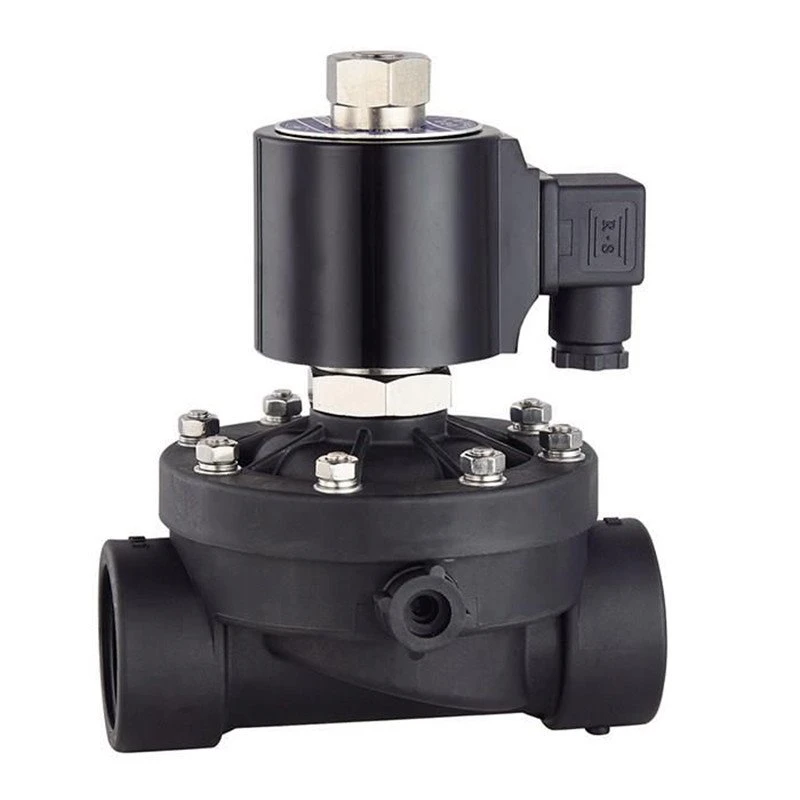
Before delving into the adjustment process, it's essential to have a basic understanding of how solenoid drain valves work. These valves are electromechanically operated devices used to control the flow of fluids, typically in compressed air systems. They are designed to automatically drain condensate from air receivers, filters, dryers, and other components in the system.
The operation of a solenoid drain valve is controlled by an electrical signal. When the solenoid coil is energized, it creates a magnetic field that pulls a plunger or diaphragm, opening the valve and allowing the condensate to drain. When the coil is de-energized, the valve closes, preventing further fluid flow.
Why Adjust the Pressure Setting?
Proper pressure setting is crucial for the efficient and reliable operation of a solenoid drain valve. If the pressure setting is too high, the valve may not open when needed, leading to the accumulation of condensate in the system. This can cause corrosion, damage to equipment, and reduced efficiency. On the other hand, if the pressure setting is too low, the valve may open prematurely, resulting in excessive fluid loss and increased energy consumption.
Adjusting the pressure setting ensures that the valve opens and closes at the appropriate times, maintaining optimal system performance and preventing costly downtime.
Tools and Materials Needed
Before you begin adjusting the pressure setting of your solenoid drain valve, gather the following tools and materials:
- Pressure gauge: This will help you measure the pressure in the system accurately.
- Screwdriver or Allen wrench: Depending on the type of valve, you may need a screwdriver or Allen wrench to adjust the pressure setting.
- Safety glasses and gloves: To protect yourself from potential hazards.
Step-by-Step Guide to Adjusting the Pressure Setting
Step 1: Turn Off the Power
Before making any adjustments to the solenoid drain valve, ensure that the power supply to the valve is turned off. This will prevent accidental activation of the valve and reduce the risk of electrical shock.
Step 2: Locate the Pressure Adjustment Screw
The pressure adjustment screw is usually located on the side or top of the valve. Refer to the valve's user manual or product documentation to identify the exact location of the screw.
Step 3: Connect the Pressure Gauge
Connect a pressure gauge to the system near the solenoid drain valve. This will allow you to monitor the pressure in the system while making adjustments.
Step 4: Measure the Current Pressure
With the pressure gauge connected, turn on the power supply to the system and allow it to reach its normal operating pressure. Read the pressure gauge to determine the current pressure in the system.
Step 5: Adjust the Pressure Setting
Using a screwdriver or Allen wrench, turn the pressure adjustment screw clockwise to increase the pressure setting or counterclockwise to decrease it. Make small adjustments and check the pressure gauge after each adjustment to ensure that you are moving in the right direction.
Step 6: Test the Valve
Once you have adjusted the pressure setting to the desired level, turn off the power supply to the system and allow the pressure to drop. Then, turn on the power supply again and observe the operation of the solenoid drain valve. The valve should open and close at the appropriate times, based on the adjusted pressure setting.
Step 7: Verify the Pressure Setting
After testing the valve, recheck the pressure gauge to ensure that the pressure setting is still within the desired range. If necessary, make further adjustments to the pressure setting until it is accurate.

Tips and Precautions
- Refer to the User Manual: Always refer to the valve's user manual or product documentation for specific instructions on adjusting the pressure setting. Different valves may have different adjustment procedures, so it's important to follow the manufacturer's recommendations.
- Make Small Adjustments: When adjusting the pressure setting, make small adjustments and check the pressure gauge after each adjustment. This will help you avoid overshooting the desired pressure setting and ensure a more accurate adjustment.
- Use a Calibrated Pressure Gauge: To ensure accurate pressure measurements, use a calibrated pressure gauge. An inaccurate pressure gauge can lead to incorrect pressure settings and affect the performance of the solenoid drain valve.
- Wear Safety Gear: When working with solenoid drain valves, always wear safety glasses and gloves to protect yourself from potential hazards. The valves may be under pressure, and there is a risk of fluid splashing or electrical shock.
- Seek Professional Help if Needed: If you are unsure about how to adjust the pressure setting of your solenoid drain valve or if you encounter any problems during the adjustment process, seek professional help. A qualified technician can assist you in making the necessary adjustments and ensure the safe and proper operation of the valve.
Related Products
As a Solenoid Drain Valve supplier, we offer a wide range of high-quality valves to meet the diverse needs of our customers. Some of our popular products include:
- Electric Water Valve 220V: This valve is designed for use in water systems and is suitable for a variety of applications, including irrigation, industrial processes, and domestic water supply.
- Solenoid Valve Stainless 2 Way: Made from high-quality stainless steel, this valve is corrosion-resistant and ideal for use in harsh environments. It is commonly used in food and beverage processing, pharmaceutical manufacturing, and other industries.
- 1 Inch Solenoid Valve Normally Open: This valve is designed to remain open when the solenoid coil is de-energized and close when the coil is energized. It is suitable for applications where continuous fluid flow is required, such as in water treatment plants and industrial pipelines.
Contact Us for Procurement
If you are interested in purchasing Solenoid Drain Valves or have any questions about our products and services, please feel free to contact us. Our team of experts is ready to assist you in finding the right valve for your specific needs and providing you with the best possible solution.
References
- Manufacturer's user manuals and product documentation for Solenoid Drain Valves.
- Industry standards and guidelines for the installation and maintenance of solenoid valves.
- Technical literature and research papers on fluid control systems and solenoid valve technology.