

What is the maximum load capacity of a Solenoid Coil 230vac?
When dealing with solenoid coils, one of the most frequently asked questions is about their maximum load capacity, especially for those operating at 230VAC. As a seasoned supplier of Solenoid Coil 230vac, I've encountered numerous inquiries on this topic. In this blog, I'll delve into the factors that determine the maximum load capacity of a 230VAC solenoid coil, its practical implications, and how to make the most of these components in various applications.
Understanding Solenoid Coils and Their Function
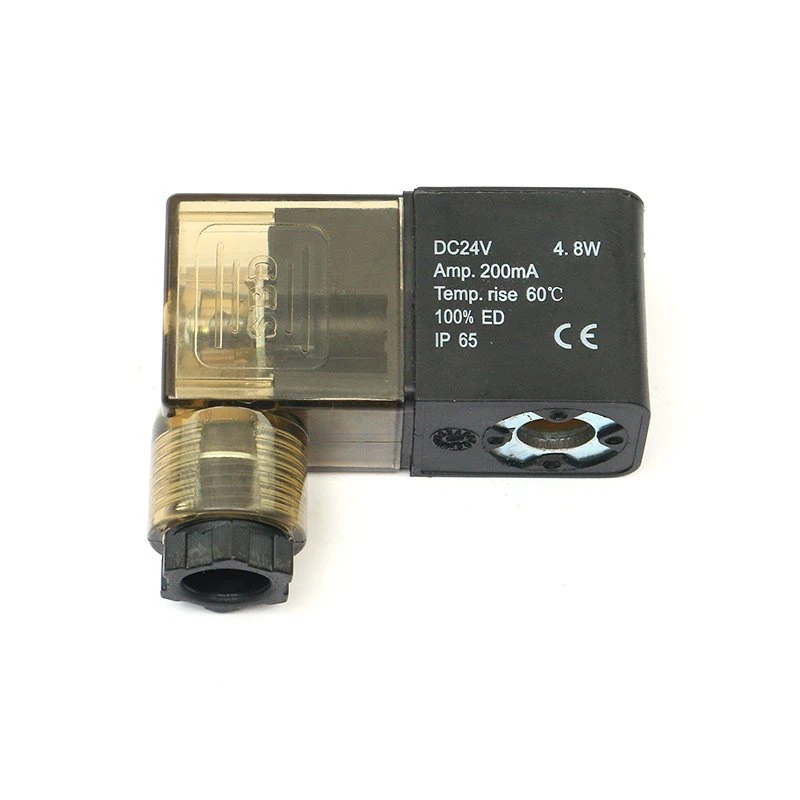
Before we discuss the maximum load capacity, it's essential to understand what a solenoid coil is and how it works. A solenoid coil is an electromagnetic device that converts electrical energy into mechanical energy. When an electric current passes through the coil, it creates a magnetic field. This magnetic field then attracts or repels a ferromagnetic core, typically an armature plunger, causing mechanical movement. Solenoid coils are widely used in various applications, including industrial automation, automotive systems, and home appliances.
Factors Affecting the Maximum Load Capacity
The maximum load capacity of a 230VAC solenoid coil is influenced by several key factors. Let's take a closer look at each of these factors:
1. Coil Design and Construction
The design and construction of the solenoid coil play a crucial role in determining its load capacity. The number of turns in the coil, the gauge of the wire used, and the type of core material all affect the magnetic field strength and, consequently, the load the coil can handle. A coil with more turns will generally produce a stronger magnetic field, allowing it to handle a higher load. However, increasing the number of turns also increases the resistance of the coil, which can lead to higher power consumption and heat generation.
2. Core Material
The core material of the solenoid coil is another important factor. Ferromagnetic materials, such as iron or steel, are commonly used as cores because they can enhance the magnetic field strength. The quality and properties of the core material, such as its magnetic permeability and saturation point, can significantly impact the load capacity of the coil. A high-quality core material with a high magnetic permeability can allow the coil to generate a stronger magnetic field, enabling it to handle a higher load.

3. Temperature and Heat Dissipation
Temperature is a critical factor that can affect the performance and load capacity of a solenoid coil. When a current passes through the coil, it generates heat due to the resistance of the wire. Excessive heat can cause the coil to overheat, which can lead to a decrease in its magnetic field strength and, ultimately, a reduction in its load capacity. Therefore, proper heat dissipation is essential to maintain the coil's performance and prevent damage. Coils with better heat dissipation mechanisms, such as larger surface areas or cooling fins, can generally handle higher loads.
4. Duty Cycle
The duty cycle of the solenoid coil refers to the ratio of the time the coil is energized to the total time of a cycle. A higher duty cycle means that the coil is energized for a longer period, which can lead to more heat generation. If the duty cycle is too high, the coil may overheat, reducing its load capacity. Therefore, it's important to select a solenoid coil with a duty cycle that is appropriate for the application. For applications where the coil needs to be energized continuously, a coil with a high-duty cycle rating should be used.
Calculating the Maximum Load Capacity
Calculating the exact maximum load capacity of a 230VAC solenoid coil can be complex, as it depends on multiple factors. However, there are some general guidelines and methods that can be used to estimate the load capacity.
One common method is to use the coil's force rating, which is typically specified by the manufacturer. The force rating indicates the maximum force that the solenoid can generate when energized. To calculate the load capacity, you need to consider the mechanical advantage of the system and the efficiency of the solenoid. For example, if the solenoid has a force rating of 100N and the mechanical advantage of the system is 2:1, the maximum load that the solenoid can handle is approximately 50N.
It's important to note that these calculations are only estimates, and the actual load capacity may vary depending on the specific conditions of the application. In some cases, it may be necessary to conduct tests to determine the exact load capacity of the solenoid coil.
Practical Applications and Considerations
In practical applications, the maximum load capacity of a 230VAC solenoid coil needs to be carefully considered to ensure reliable operation. Here are some common applications and the associated considerations:
1. Industrial Automation
In industrial automation, solenoid coils are often used to control the movement of valves, actuators, and other mechanical components. When selecting a solenoid coil for an industrial application, it's important to choose a coil with a load capacity that is sufficient to handle the required force. Additionally, factors such as the duty cycle, temperature, and environmental conditions should also be taken into account. For example, in a high-temperature environment, a coil with good heat dissipation properties should be used.
2. Automotive Systems
In automotive systems, solenoid coils are used in various applications, such as fuel injection systems, transmission control, and braking systems. In these applications, the load capacity of the solenoid coil needs to be carefully matched to the requirements of the system. For example, in a fuel injection system, the solenoid coil needs to be able to open and close the fuel injector valve quickly and accurately, requiring a coil with a high load capacity and fast response time.
3. Home Appliances
In home appliances, solenoid coils are commonly used in devices such as washing machines, dishwashers, and refrigerators. When selecting a solenoid coil for a home appliance, factors such as energy efficiency, noise level, and reliability are important considerations. A coil with a suitable load capacity can ensure that the appliance operates smoothly and efficiently.
Related Products and Their Applications
As a Solenoid Coil 230vac supplier, we also offer a range of related products that can complement the use of solenoid coils. Here are some examples:
- ex proof 220vac solenoid coil: These coils are designed for use in hazardous environments where there is a risk of explosion. They are constructed with special materials and features to prevent the ignition of flammable gases or vapors.
- Solenoid Valve Armature Plunger: The armature plunger is a critical component of a solenoid valve. It moves in response to the magnetic field generated by the solenoid coil, controlling the flow of fluid through the valve.
- 110v ac solenoid coil: These coils are designed to operate at 110VAC and are suitable for applications where a lower voltage is required.
Conclusion
The maximum load capacity of a 230VAC solenoid coil is determined by several factors, including coil design, core material, temperature, and duty cycle. Understanding these factors is essential for selecting the right solenoid coil for your application and ensuring its reliable operation. As a Solenoid Coil 230vac supplier, we have the expertise and experience to help you choose the most suitable solenoid coil for your specific needs. If you have any questions or need further information about our products, please don't hesitate to contact us. We look forward to discussing your requirements and providing you with the best solutions.
References
- Electromagnetic Devices: Theory, Design, and Application by Clayton Paul
- Solenoid Valve Handbook by Peter K. Ludwig