

What is the influence of the magnetic core material on the performance of a 220v air solenoid valve?
As a supplier of 220v air solenoid valves, I've witnessed firsthand the pivotal role that magnetic core materials play in shaping the performance of these essential components. In the industrial landscape, solenoid valves are the unsung heroes, controlling the flow of air and other fluids with precision and reliability. The choice of magnetic core material can significantly influence a solenoid valve's efficiency, durability, and overall functionality.
Understanding the Basics of a 220v Air Solenoid Valve
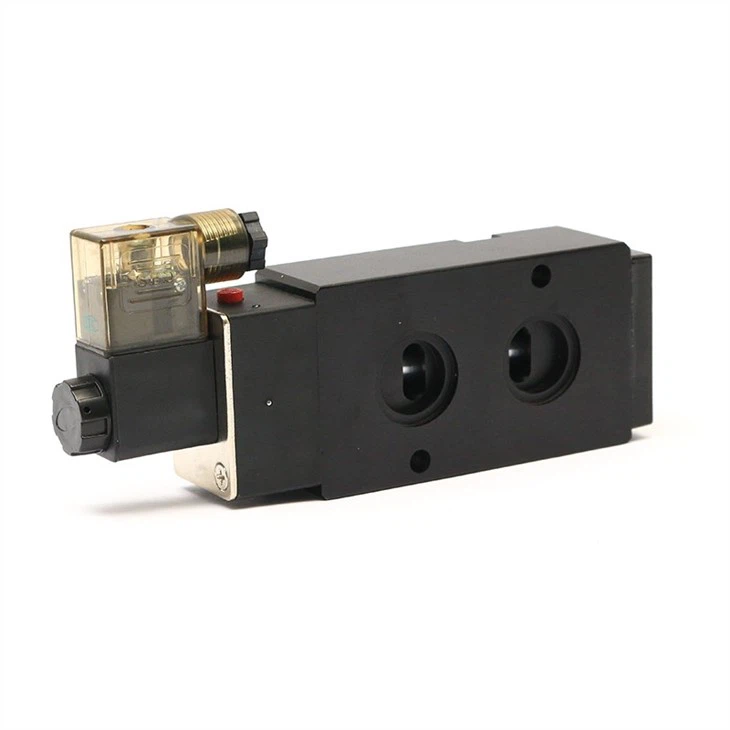
Before delving into the impact of magnetic core materials, it's essential to understand how a 220v air solenoid valve operates. These valves consist of a coil, a magnetic core, and a valve body. When an electrical current is applied to the coil, it generates a magnetic field. This magnetic field attracts the magnetic core, which in turn moves a plunger or a diaphragm to open or close the valve. The 220v power supply provides the necessary energy to create a strong magnetic field, enabling the valve to operate effectively.
The Role of Magnetic Core Materials
The magnetic core is the heart of the solenoid valve. Its primary function is to enhance the magnetic field generated by the coil, allowing for a more efficient and powerful operation. Different magnetic core materials possess unique properties that can significantly affect the valve's performance.
Permeability
One of the most critical properties of a magnetic core material is its permeability. Permeability measures how easily a material can be magnetized. A high-permeability material can enhance the magnetic field strength, allowing the valve to operate with less electrical power. This results in improved energy efficiency and reduced operating costs. Soft magnetic materials, such as iron and silicon steel, are commonly used in solenoid valves due to their high permeability.
Saturation Flux Density
Saturation flux density is another important property of magnetic core materials. It refers to the maximum magnetic field strength that a material can withstand before it becomes saturated. Once a material reaches its saturation point, further increases in the electrical current will not result in a proportional increase in the magnetic field strength. This can lead to a decrease in the valve's performance and efficiency. Materials with high saturation flux density, such as cobalt-iron alloys, are ideal for applications where high magnetic field strengths are required.
Hysteresis Loss
Hysteresis loss is the energy dissipated as heat when a magnetic material is repeatedly magnetized and demagnetized. This loss can occur during the operation of the solenoid valve as the magnetic core is subjected to alternating magnetic fields. High hysteresis loss can lead to increased energy consumption and reduced efficiency. Materials with low hysteresis loss, such as permalloy and mu-metal, are preferred for solenoid valves to minimize energy losses.
Eddy Current Loss
Eddy current loss is another form of energy loss that can occur in magnetic core materials. When a magnetic field changes, it induces electrical currents, known as eddy currents, in the conductive material. These eddy currents generate heat, which can reduce the efficiency of the valve. To minimize eddy current loss, magnetic core materials are often laminated or made from materials with high electrical resistivity.
Common Magnetic Core Materials Used in 220v Air Solenoid Valves
Iron
Iron is one of the most commonly used magnetic core materials in solenoid valves. It has high permeability and is relatively inexpensive. However, iron also has a relatively low saturation flux density and high hysteresis loss, which can limit its performance in high-power applications.

Silicon Steel
Silicon steel is an alloy of iron and silicon that is widely used in solenoid valves. It has higher permeability and lower hysteresis loss than pure iron, making it more efficient. Silicon steel also has a higher saturation flux density, allowing it to withstand stronger magnetic fields. These properties make silicon steel an excellent choice for a wide range of solenoid valve applications.
Cobalt-Iron Alloys
Cobalt-iron alloys are known for their high saturation flux density and excellent magnetic properties. They can withstand high magnetic field strengths without becoming saturated, making them ideal for high-power solenoid valves. However, cobalt-iron alloys are more expensive than other magnetic core materials, which can limit their use in cost-sensitive applications.
Permalloy
Permalloy is a nickel-iron alloy that has extremely low hysteresis loss and high permeability. It is often used in applications where low energy consumption and high efficiency are required. Permalloy is also highly resistant to corrosion, making it suitable for use in harsh environments.
Impact on Valve Performance
The choice of magnetic core material can have a significant impact on the performance of a 220v air solenoid valve.
Response Time
The response time of a solenoid valve refers to the time it takes for the valve to open or close after the electrical current is applied. A high-permeability magnetic core material can reduce the response time by enhancing the magnetic field strength. This allows the valve to operate more quickly and efficiently, making it suitable for applications that require rapid switching.
Holding Force
The holding force of a solenoid valve is the force required to keep the valve in the open or closed position. A magnetic core material with high saturation flux density can provide a stronger holding force, ensuring that the valve remains in the desired position even under high-pressure conditions.
Energy Efficiency
As mentioned earlier, the choice of magnetic core material can significantly affect the energy efficiency of a solenoid valve. Materials with low hysteresis and eddy current losses can reduce energy consumption, resulting in lower operating costs. This is particularly important for applications where the valve is operated continuously or for extended periods.
Durability
The durability of a solenoid valve is also influenced by the magnetic core material. Materials that are resistant to corrosion and wear can ensure a longer lifespan for the valve. Additionally, a magnetic core material with high mechanical strength can withstand the forces generated during operation, reducing the risk of damage.
Conclusion
In conclusion, the magnetic core material plays a crucial role in determining the performance of a 220v air solenoid valve. By choosing the right material, you can enhance the valve's efficiency, response time, holding force, and durability. As a supplier of 220v air solenoid valves, I understand the importance of using high-quality magnetic core materials to ensure the best possible performance for our customers.
If you're in the market for a reliable and efficient 220v air solenoid valve, or if you have any questions about magnetic core materials and their impact on valve performance, I encourage you to contact us for a detailed discussion. We're here to help you find the perfect solution for your specific needs.
References
- Grover, F. W. (1946). Inductance Calculations: Working Formulas and Tables. Dover Publications.
- Chapman, S. J. (2012). Electric Machinery Fundamentals. McGraw-Hill Education.
- Cullity, B. D., & Graham, C. D. (2008). Introduction to Magnetic Materials. Wiley-IEEE Press.