

What are the common failures of a drain solenoid valve and their solutions?
Hey there! As a supplier of drain solenoid valves, I've seen my fair share of issues with these little guys. Drain solenoid valves are super important in a bunch of different systems, from industrial setups to home plumbing. They're used to control the flow of liquids or gases, and when they fail, it can cause all sorts of headaches. So, let's dive into the common failures of drain solenoid valves and how we can fix 'em.
1. Valve Won't Open
One of the most common problems we see is the valve not opening. There could be a few reasons for this.
Electrical Issues
First off, it might be an electrical problem. The solenoid is the part of the valve that gets energized to open it. If there's no power reaching the solenoid, the valve won't open. Check the wiring connections to make sure they're tight and there are no loose wires. Sometimes, a blown fuse can also cut off the power. So, check the fuse in the electrical circuit.
Another thing to look at is the voltage. If the voltage supplied to the solenoid is too low, it might not have enough power to open the valve. Use a multimeter to check the voltage at the solenoid terminals. If it's below the rated voltage, you might need to fix the power supply.
Mechanical Blockage
Mechanical blockages can also prevent the valve from opening. Over time, debris, dirt, or rust can build up inside the valve, blocking the movement of the plunger. You can try flushing the valve with clean water to remove any loose debris. If that doesn't work, you might have to disassemble the valve and clean it thoroughly. But be careful when doing this, as you don't want to damage any parts.
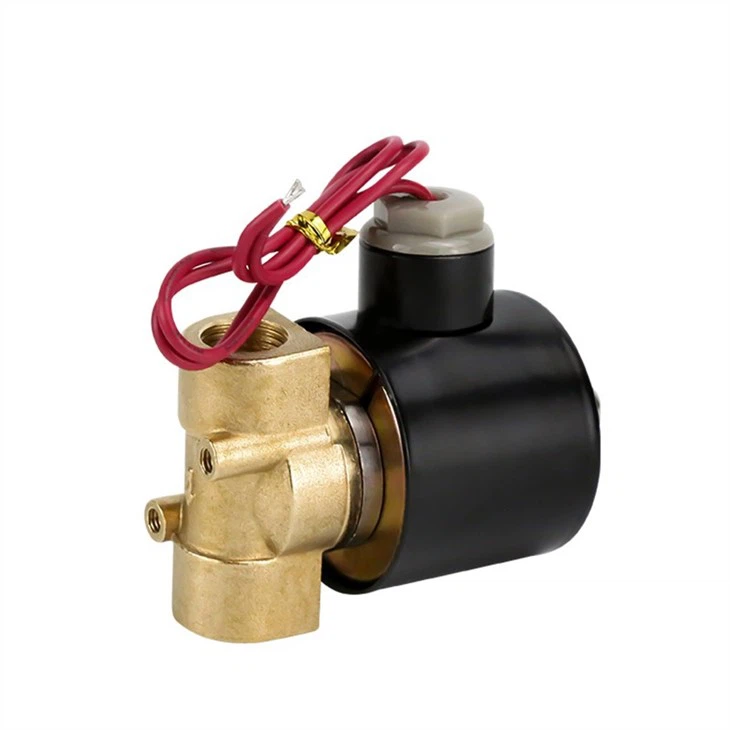
If you're in the market for a reliable valve, you might want to check out our 2 way electric water valve normally open. It's designed to handle different flow rates and is built to last.
2. Valve Won't Close
Just like not opening, the valve not closing can also be a big problem. It can lead to leaks and waste of fluids.
Solenoid Sticking
The solenoid might be sticking in the open position. This can happen if the solenoid coil gets overheated or if there's a problem with the internal components. If the solenoid is overheating, it could be due to a short circuit or a problem with the power supply. Check the coil for any signs of damage, like burnt spots. If you find any damage, you'll need to replace the solenoid.
Sometimes, the plunger inside the solenoid can get stuck. You can try gently tapping the solenoid with a soft object to see if it loosens the plunger. If that doesn't work, you might have to disassemble the solenoid and clean or replace the plunger.
Seal Damage
The valve seal is what keeps the valve closed when it's supposed to be. If the seal is damaged, it won't be able to create a proper seal, and the valve will leak. Look for any signs of wear or tear on the seal. If the seal is damaged, you'll need to replace it. Make sure to use the right type of seal for your valve to ensure a proper fit.
Our Solenoid Valve Gas Lpg is designed with high - quality seals to prevent this kind of problem. It's suitable for gas applications and is built to close tightly.
3. Leaking Valve
A leaking valve is not only a waste of resources but can also be a safety hazard, especially if it's handling dangerous fluids or gases.
O - Ring Failure
O - rings are used to create a seal between different parts of the valve. Over time, these O - rings can wear out, dry out, or get damaged. Check the O - rings for any signs of damage, like cracks or tears. If you find a damaged O - ring, replace it with a new one. Make sure to use the correct size and material for the O - ring, as different applications might require different types.
Cracks in the Valve Body
Sometimes, the valve body itself can develop cracks. This can be due to physical damage, like being dropped or hit, or due to corrosion over time. If you notice a crack in the valve body, it's usually best to replace the entire valve. Using a cracked valve can lead to serious leaks and might not be safe.
4. Erratic Operation
If the valve is opening and closing at random times or not responding consistently, it's a sign of erratic operation.
Contamination in the Fluid
The fluid flowing through the valve can sometimes contain contaminants. These contaminants can interfere with the operation of the valve. For example, if there are small particles in the fluid, they can get stuck in the valve mechanism and cause it to malfunction. You can install a filter in the fluid line to remove these contaminants. Make sure to clean or replace the filter regularly to keep it working effectively.
Electrical Interference
Electrical interference can also cause erratic operation. This can happen if there are other electrical devices nearby that are generating electromagnetic fields. Try moving the valve away from these sources of interference. You can also use shielded wiring to reduce the effect of electromagnetic interference.
Our auto drain timer controlled solenoid valve is designed to be more resistant to these kinds of issues. It has a reliable timer control system that ensures consistent operation.
Solutions and Preventive Measures
To avoid these common failures, there are a few things you can do.
Regular Maintenance
Regular maintenance is key. Make a schedule to inspect and clean your drain solenoid valves. Check the wiring, seals, and internal components for any signs of wear or damage. Replace any worn - out parts before they cause a major problem.
Proper Installation
Make sure the valve is installed correctly. Follow the manufacturer's instructions carefully. Incorrect installation can lead to all sorts of problems, from leaks to erratic operation.
Use Quality Components
When replacing parts or buying new valves, always use high - quality components. Cheaper parts might seem like a good deal at first, but they can fail more easily and end up costing you more in the long run.
If you're having trouble with your drain solenoid valves or are looking to buy new ones, don't hesitate to get in touch with us. We have a wide range of valves to suit different applications, and our team of experts can help you find the right solution for your needs. Whether you need a valve for a small home project or a large industrial application, we've got you covered. So, reach out and let's start a conversation about your valve requirements.

References
- "Solenoid Valve Handbook" - A comprehensive guide on solenoid valve operation and maintenance.
- Industry standards and guidelines for drain solenoid valves.