

What are the common problems with pneumatic valve pressure regulators?
Pneumatic valve pressure regulators play a crucial role in various industries, ensuring that pneumatic systems operate at the correct pressure levels. As a pneumatic valve supplier, I've encountered numerous common problems with these regulators over the years. Understanding these issues can help users maintain their equipment effectively and avoid costly downtime.
Inconsistent Pressure Output
One of the most prevalent problems with pneumatic valve pressure regulators is inconsistent pressure output. This can manifest as fluctuations in the regulated pressure, which can disrupt the normal operation of pneumatic tools and machinery. Several factors can contribute to this issue.
Firstly, wear and tear on the internal components of the regulator can lead to inconsistent pressure control. For example, the diaphragm, which is a key part of many regulators, can degrade over time. This degradation may cause it to lose its flexibility and ability to accurately respond to pressure changes. As a result, the pressure output may vary, leading to erratic performance of the connected pneumatic devices.
Secondly, contaminants in the air supply can also cause problems. Dust, dirt, and moisture can enter the regulator and interfere with its internal mechanisms. These contaminants can clog the orifices and passages within the regulator, affecting the flow of air and causing pressure variations. To mitigate this issue, it's essential to use proper air filtration systems upstream of the regulator to remove these contaminants.
Another possible cause of inconsistent pressure output is improper installation. If the regulator is not installed correctly, it may not function as intended. For example, incorrect mounting orientation or improper tightening of connections can lead to leaks or restricted airflow, resulting in pressure instability. It's important to follow the manufacturer's installation instructions carefully to ensure proper operation.
Leaks
Leaks are another common problem with pneumatic valve pressure regulators. A leak can occur at various points in the regulator, including the connections, seals, and diaphragms. Leaks not only waste compressed air, which can increase energy costs, but they can also lead to a drop in system pressure, affecting the performance of pneumatic equipment.
One of the main causes of leaks is damaged or worn seals. Seals are used to prevent air from escaping from the regulator, and over time, they can deteriorate due to factors such as age, temperature, and chemical exposure. When seals are damaged, air can leak out, causing a loss of pressure. Regular inspection and replacement of seals can help prevent this problem.
Loose connections can also result in leaks. During installation or maintenance, if the connections are not tightened properly, air can escape. It's important to use the correct torque when tightening connections to ensure a secure seal. Additionally, vibration and movement in the pneumatic system can cause connections to loosen over time, so periodic checks are necessary.
In some cases, leaks can be caused by internal damage to the regulator. For example, a cracked diaphragm or a damaged valve seat can allow air to bypass the normal flow path and leak out. If a leak is suspected, it's important to carefully inspect the regulator for any signs of damage and replace the affected components as needed.
Limited Flow Capacity
Pneumatic valve pressure regulators have a specific flow capacity, which is the maximum amount of air they can handle. If the demand for air in the pneumatic system exceeds the flow capacity of the regulator, it can lead to problems.
One of the symptoms of limited flow capacity is a drop in pressure when the pneumatic tools or machinery are in use. This occurs because the regulator is unable to supply enough air to maintain the desired pressure. As a result, the performance of the equipment may be affected, and it may not operate at its full capacity.
Selecting the right regulator with an appropriate flow capacity for the specific application is crucial. When choosing a regulator, it's important to consider the air consumption of the connected pneumatic devices and the expected peak demand. If the flow capacity of the existing regulator is insufficient, upgrading to a larger regulator may be necessary.
Slow Response Time
A slow response time is another issue that can be encountered with pneumatic valve pressure regulators. The response time refers to how quickly the regulator can adjust the pressure in response to changes in the system. A slow response time can cause problems, especially in applications where rapid pressure changes are required.
One factor that can contribute to a slow response time is the design of the regulator. Some regulators may have a more complex internal structure, which can result in a longer time for the pressure to be adjusted. Additionally, the size of the regulator and its internal components can also affect the response time. Larger regulators may have a slower response due to the increased volume of air that needs to be moved.

Another cause of slow response time can be related to the air supply. If the air supply has a low pressure or limited flow rate, the regulator may take longer to adjust the pressure. Ensuring a sufficient and stable air supply is essential for optimal regulator performance.
Over - or Under - Regulation
Over - regulation or under - regulation of pressure is a common problem that can have significant impacts on the pneumatic system. Over - regulation occurs when the regulator maintains a pressure higher than the desired setpoint, while under - regulation results in a pressure lower than the setpoint.
Over - regulation can cause excessive stress on the pneumatic components, leading to premature wear and potential damage. It can also increase the risk of leaks and other safety issues. Under - regulation, on the other hand, can cause the pneumatic equipment to operate inefficiently or not at all.
The cause of over - or under - regulation can be due to incorrect adjustment of the regulator. If the setpoint is not set correctly, the regulator will not be able to maintain the desired pressure. Additionally, problems with the internal sensing mechanism of the regulator can also lead to inaccurate pressure regulation. The sensing mechanism is responsible for detecting the pressure and adjusting the valve accordingly, and if it malfunctions, the pressure regulation will be affected.
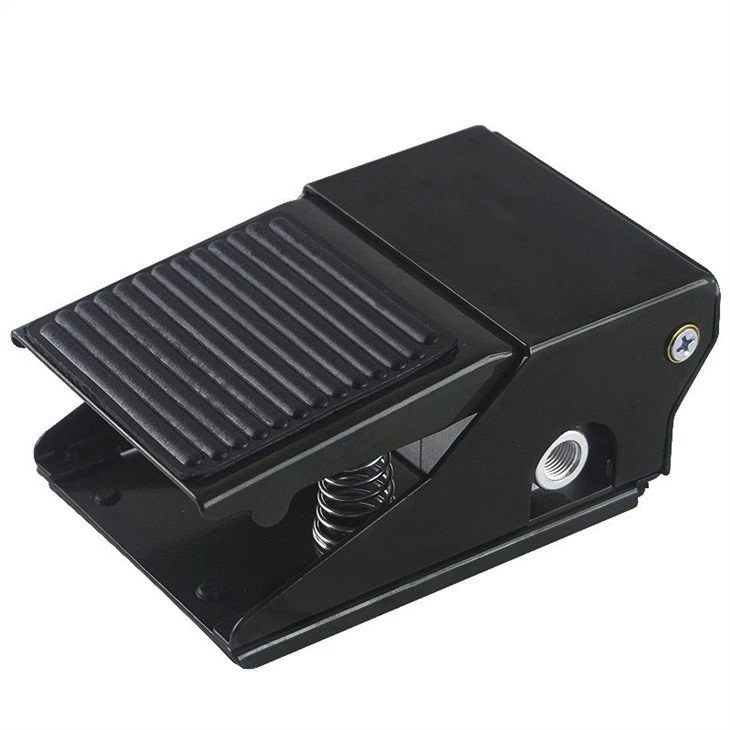
As a pneumatic valve supplier, we offer a wide range of high - quality pneumatic valves to meet different industrial needs. For instance, our Ball Valve Manual Power provides reliable control and is suitable for various applications. Our Pneumatic Foot Pedal Valve offers convenient operation, and our Professional Manufacture Dn50 Dn800 products are designed with precision for large - scale pneumatic systems.
If you're facing problems with your pneumatic valve pressure regulators or are in need of new pneumatic valves, we're here to help. Our team of experts can provide you with professional advice on product selection and maintenance to ensure the smooth operation of your pneumatic systems. Contact us to discuss your procurement needs and let's find the best solutions for your business together.
References
- Pneumatic System Handbook, various industry - specific editions.
- Manufacturer's manuals for pneumatic valve pressure regulators.