

How to ensure the proper functioning of a 24 Volt Solenoid Coil?
The 24 volt solenoid coil is a crucial component in various industrial and commercial applications, including automotive, aerospace, and manufacturing. It converts electrical energy into mechanical energy, enabling the operation of solenoid valves and other devices. As a 24 volt solenoid coil supplier, I understand the importance of ensuring the proper functioning of these coils to maintain the efficiency and reliability of the systems they are integrated into. This blog post will explore the key factors that contribute to the proper functioning of a 24 volt solenoid coil and provide practical tips for maintenance and troubleshooting.
Understanding the Basics of a 24 Volt Solenoid Coil
Before delving into the details of ensuring proper functioning, it is essential to understand the basic structure and operation of a 24 volt solenoid coil. A solenoid coil consists of a wire wound tightly around a core, typically made of ferromagnetic material. When an electrical current passes through the coil, it creates a magnetic field that attracts or repels a plunger or armature, depending on the design of the solenoid. This movement of the plunger or armature is used to control the flow of fluids or gases in solenoid valves or perform mechanical work in other applications.

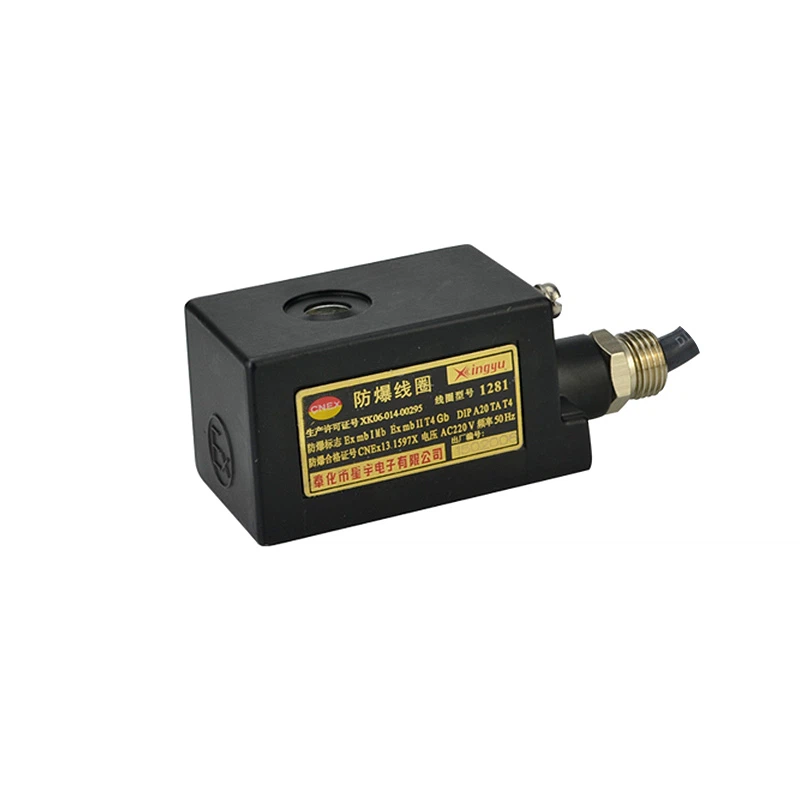
Selecting the Right Coil for Your Application
The first step in ensuring the proper functioning of a 24 volt solenoid coil is to select the right coil for your specific application. Consider the following factors when choosing a coil:
- Voltage and Current Requirements: Ensure that the coil is rated for 24 volts and can handle the current required by your application. Using a coil with the wrong voltage or current rating can lead to overheating, premature failure, or inefficient operation.
- Power Consumption: Consider the power consumption of the coil to ensure that it is compatible with your power supply. High-power coils may require a dedicated power source or additional wiring to handle the load.
- Environmental Conditions: If the coil will be exposed to harsh environmental conditions, such as high temperatures, humidity, or corrosive chemicals, choose a coil that is designed to withstand these conditions. Look for coils with protective coatings or enclosures to prevent damage from moisture, dust, or chemicals.
- Duty Cycle: The duty cycle of a solenoid coil refers to the amount of time the coil is energized compared to the total time of operation. Choose a coil with a duty cycle that is appropriate for your application to prevent overheating and ensure long-term reliability.
Proper Installation and Wiring
Once you have selected the right coil for your application, proper installation and wiring are crucial to ensure its proper functioning. Follow these guidelines when installing and wiring a 24 volt solenoid coil:
- Mounting: Mount the coil securely in a location where it will not be subjected to excessive vibration or mechanical stress. Use appropriate mounting hardware and ensure that the coil is properly aligned with the plunger or armature.
- Wiring: Connect the coil to the power supply using the appropriate wiring and connectors. Ensure that the wiring is properly insulated and protected from damage. Follow the manufacturer's wiring diagram and instructions to ensure correct polarity and proper connection.
- Fusing: Install a fuse or circuit breaker in the power supply circuit to protect the coil from overcurrent and short circuits. Choose a fuse with the appropriate rating for the coil's current requirements.
- Grounding: Ensure that the coil is properly grounded to prevent electrical interference and ensure safe operation. Connect the ground wire to a suitable grounding point using a reliable connection.
Regular Maintenance and Inspection
Regular maintenance and inspection are essential to ensure the long-term proper functioning of a 24 volt solenoid coil. Follow these maintenance tips to keep your coil in good working condition:
- Cleaning: Regularly clean the coil and its surrounding area to remove dust, dirt, and debris. Use a soft brush or compressed air to clean the coil and ensure that the ventilation holes are not blocked.
- Lubrication: If the solenoid has moving parts, such as a plunger or armature, lubricate them regularly to reduce friction and wear. Use a lubricant that is compatible with the materials used in the solenoid and follow the manufacturer's recommendations.
- Inspection: Regularly inspect the coil for signs of damage, such as overheating, burning, or corrosion. Check the wiring and connections for loose or damaged wires, and ensure that the insulation is intact. If you notice any signs of damage or wear, replace the coil or repair the wiring as soon as possible.
- Testing: Periodically test the coil to ensure that it is functioning properly. Use a multimeter to measure the resistance of the coil and compare it to the manufacturer's specifications. If the resistance is significantly higher or lower than the specified value, the coil may be damaged and should be replaced.
Troubleshooting Common Problems
Despite proper installation and maintenance, 24 volt solenoid coils may sometimes experience problems. Here are some common problems and their possible solutions:
- No Movement: If the solenoid does not move when energized, check the power supply to ensure that it is providing the correct voltage and current. Check the wiring and connections for loose or damaged wires, and ensure that the coil is properly grounded. If the power supply and wiring are okay, the coil may be damaged and should be replaced.
- Overheating: If the coil overheats, check the power supply to ensure that it is providing the correct voltage and current. Check the duty cycle of the coil to ensure that it is not being energized for too long. If the duty cycle is okay, the coil may be overloaded or damaged and should be replaced.
- Intermittent Operation: If the solenoid operates intermittently, check the wiring and connections for loose or damaged wires. Check the power supply for fluctuations or interruptions. If the wiring and power supply are okay, the coil may be damaged or the plunger or armature may be sticking. Clean and lubricate the moving parts, and if the problem persists, replace the coil.
Conclusion
Ensuring the proper functioning of a 24 volt solenoid coil is essential for the efficient and reliable operation of the systems it is integrated into. By selecting the right coil for your application, installing and wiring it properly, performing regular maintenance and inspection, and troubleshooting common problems, you can extend the lifespan of your coil and minimize downtime. As a 24 volt solenoid coil supplier, we offer a wide range of high-quality coils to meet your specific needs. Whether you are looking for a 24vdc Explosion Proof Solenoid Coil, 110v Ac Solenoid Coil, or Ex Proof 220vac Solenoid Coil, we have the expertise and products to help you. If you have any questions or need assistance with your solenoid coil requirements, please feel free to contact us for a consultation and to discuss your procurement needs.
References
- "Solenoid Coil Basics." Electrical Engineering Portal.
- "How to Select the Right Solenoid Coil for Your Application." AutomationDirect.
- "Maintenance and Troubleshooting of Solenoid Valves." Emerson.