

How to choose a 120 volt solenoid?
Hey there! If you're on the hunt for a 120 volt solenoid, you've come to the right place. I'm a supplier in the 120 volt solenoid game, and I'm here to share some tips on how to choose the perfect one for your needs.
Understanding 120 Volt Solenoids
First off, let's get a basic understanding of what a 120 volt solenoid is. A solenoid is essentially an electromechanical device that converts electrical energy into linear motion. When you apply a 120 - volt electrical current to it, the solenoid creates a magnetic field, which then moves a plunger or armature inside. This motion can be used to control valves, switches, or other mechanical components in a wide range of applications.
Consider the Application
The very first thing you need to think about when choosing a 120 volt solenoid is your specific application. Different applications have different requirements. For example, if you're using it in an industrial setting, you may need a solenoid that can handle high - pressure and high - temperature conditions. On the other hand, if it's for a consumer product like a small household appliance, you'll want something more compact and energy - efficient.
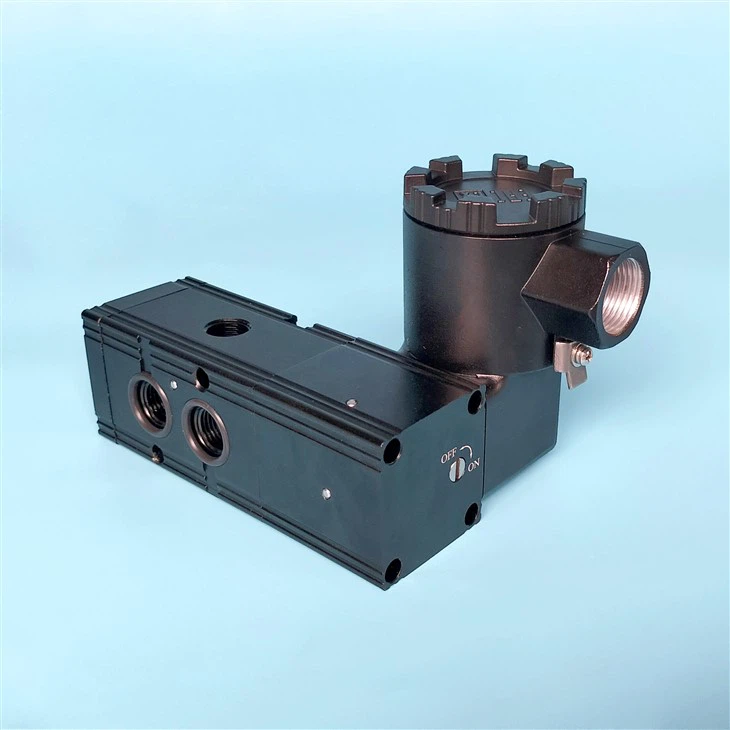
Let's say you're looking to control the flow of pneumatic systems. You might be interested in an Explosion Proof 5 Way Pneumatic Valve or an Air Solenoid Valve 3 Way. These valves often use 120 volt solenoids to regulate the airflow, and choosing the right solenoid will ensure smooth and reliable operation of your pneumatic system.
Power and Energy Requirements
Another crucial factor is the power and energy requirements. A 120 volt solenoid will draw a certain amount of current, and you need to make sure your power supply can handle it. If the solenoid draws too much current and your power supply can't provide it, the solenoid may not work properly or could even burn out.
You also need to consider the duty cycle. The duty cycle refers to the percentage of time the solenoid is energized in a given period. Some applications require the solenoid to be on continuously, while others only need it for short bursts. For continuous - use applications, you'll need a solenoid designed for a high - duty cycle.
Size and Mounting
The physical size of the solenoid is important too. You need to make sure it will fit in the space you have available. If it's too big, it won't fit your equipment, and if it's too small, it may not have the power or performance you need.
Mounting is another aspect of size. Solenoids come with different mounting options, such as flange mounting, base mounting, or rail mounting. Make sure the solenoid you choose has a mounting option that is compatible with your equipment.

Coil and Insulation
The coil is the heart of the solenoid. The quality of the coil affects the performance and reliability of the solenoid. A well - made coil will have a proper number of turns of wire, which determines the strength of the magnetic field produced when energized.
Insulation is also vital. Good insulation protects the coil from damage due to moisture, heat, or electrical shorts. In harsh environments, you may need a solenoid with high - quality insulation to ensure long - term operation.
Environmental Conditions
Think about the environmental conditions in which the solenoid will operate. If it's going to be in a wet or humid area, you'll need a solenoid with a high degree of water resistance. Similarly, if it's exposed to dust, dirt, or chemicals, you need a solenoid that can withstand these elements.
For example, in an industrial plant where there may be combustible gases, you might want to consider a solenoid that meets explosion - proof standards. Our 24vdc Pneumatic Solenoid Valve is designed to handle certain harsh conditions, and we also have 120 volt solenoids that can be customized for various environmental requirements.
Performance and Reliability
The performance of the solenoid is measured by factors like response time, force output, and accuracy. A fast - acting solenoid is crucial in applications where quick operation is required, such as in automatic machinery. The force output determines how much mechanical work the solenoid can do when it's energized.
Reliability is also key. You don't want a solenoid that breaks down frequently. Look for solenoids with a proven track record of reliability. This often means choosing a reputable supplier, like yours truly!
Cost
Cost is always a consideration. You want to get the best value for your money. However, don't just go for the cheapest option. A low - cost solenoid may end up costing you more in the long run if it fails prematurely or doesn't perform as expected.
Compare the features, performance, and reliability of different solenoids and their prices. Sometimes, spending a little more upfront can save you a lot of headaches and money down the road.
Compatibility
Make sure the 120 volt solenoid is compatible with the rest of your system. This includes compatibility with the control system, the power supply, and any other components it will be connected to. If there are any communication protocols or interfaces involved, ensure that the solenoid can work seamlessly with them.
Testing and Certification
It's a good idea to look for solenoids that have been tested and certified to meet relevant industry standards. Certifications can give you confidence in the quality and safety of the solenoid. For example, in some industries, solenoids need to meet electrical safety standards or environmental protection standards.
Conclusion
Choosing the right 120 volt solenoid is a process that requires careful consideration of multiple factors. From the application and power requirements to the environmental conditions and cost, each aspect plays a crucial role in making the best choice.
As a 120 volt solenoid supplier, I'm here to help you through the selection process. Whether you have questions about a specific product or need advice on which solenoid is best for your application, don't hesitate to reach out. We can have a detailed discussion about your requirements and find the perfect 120 volt solenoid for your needs. Contact us to start the procurement and negotiation process.
References
- General knowledge of solenoid technology in the industrial and consumer sectors.
- Industry - standard manuals on electromechanical devices.
- Past experiences with various 120 volt solenoid applications.