

Can a 12V electric air valve be used in a medical device?
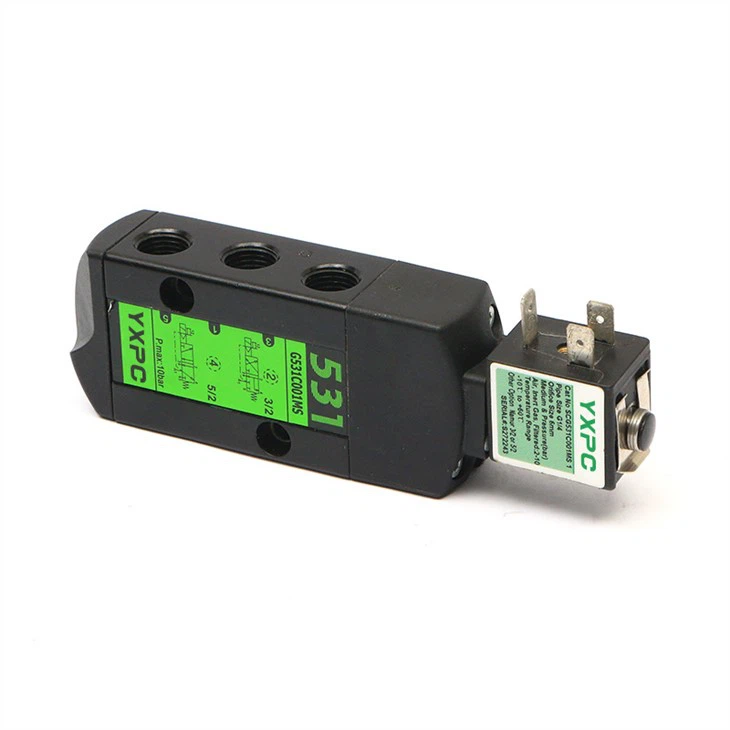
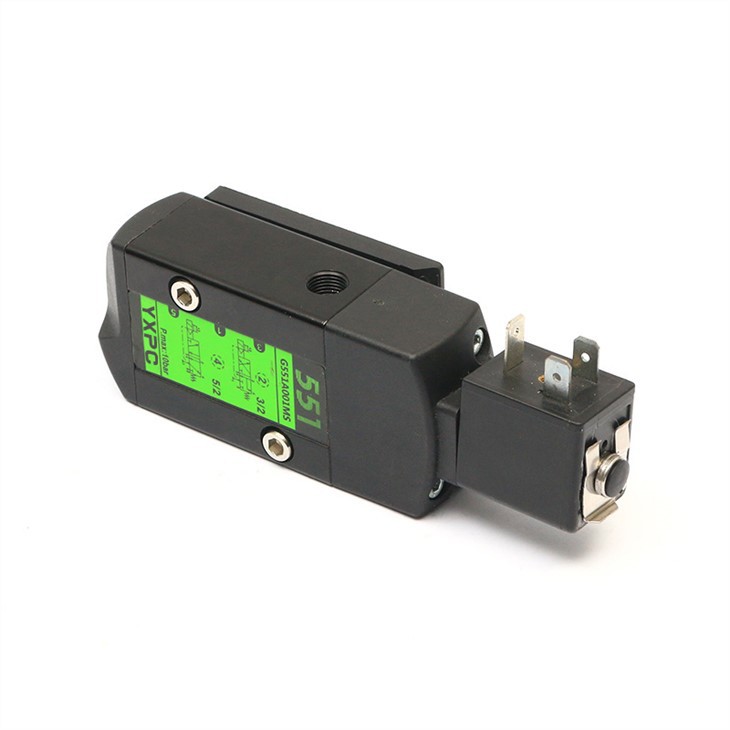
In the intricate landscape of medical device engineering, the selection of components is a critical decision that can significantly impact the performance, safety, and reliability of the final product. One such component that often comes under scrutiny is the electric air valve. As a supplier of 12V electric air valves, I've encountered numerous inquiries regarding their suitability for use in medical devices. In this blog post, I'll delve into the factors that determine whether a 12V electric air valve can be used in a medical device, exploring the technical, regulatory, and safety considerations involved.
Technical Considerations
Voltage and Power Requirements
Medical devices typically operate on specific voltage and power requirements to ensure stable and reliable performance. A 12V electric air valve is designed to operate on a 12-volt electrical supply, which is a common voltage level in many electronic systems. However, it's essential to verify that the medical device's power supply can provide the necessary 12V output with sufficient current capacity to drive the valve. Additionally, the valve's power consumption should be compatible with the device's overall power budget to avoid overloading the power supply or causing electrical instability.
Flow Rate and Pressure
The flow rate and pressure requirements of a medical device are crucial factors in determining the suitability of a 12V electric air valve. Different medical applications may require specific flow rates and pressures to achieve the desired functionality. For example, a ventilator may need a high flow rate and precise pressure control to deliver oxygen to a patient effectively. In such cases, the 12V electric air valve must be capable of providing the required flow rate and pressure within the specified tolerance range. It's important to consult the valve's technical specifications and performance curves to ensure that it meets the device's flow and pressure requirements.
Response Time and Accuracy
In medical applications, the response time and accuracy of the electric air valve can have a significant impact on patient safety and treatment outcomes. A fast response time is essential for applications that require rapid changes in airflow or pressure, such as in anesthesia delivery systems or respiratory therapy devices. Additionally, the valve's accuracy in controlling the flow rate and pressure is crucial for maintaining consistent and precise treatment parameters. When selecting a 12V electric air valve for a medical device, it's important to consider its response time and accuracy specifications to ensure that it can meet the device's performance requirements.
Compatibility with Medical Gases
Many medical devices use gases such as oxygen, nitrogen, and air to deliver treatment or support patient respiration. Therefore, it's essential to ensure that the 12V electric air valve is compatible with the medical gases used in the device. The valve's materials and seals should be resistant to corrosion and degradation caused by the gases to prevent contamination and ensure the safety and reliability of the device. Additionally, the valve should be designed to prevent leakage of the medical gases, which can pose a serious risk to patient safety.
Regulatory Considerations
Medical Device Regulations
Medical devices are subject to strict regulations and standards to ensure their safety and effectiveness. In the United States, medical devices are regulated by the Food and Drug Administration (FDA), which has established a comprehensive framework of regulations and guidelines for the design, development, manufacturing, and marketing of medical devices. When using a 12V electric air valve in a medical device, it's important to ensure that the valve complies with all applicable FDA regulations and standards. This may include requirements for device labeling, performance testing, quality control, and post-market surveillance.
International Standards
In addition to FDA regulations, medical devices may also be subject to international standards and regulations. For example, the International Organization for Standardization (ISO) has developed a series of standards for medical devices, including ISO 13485, which specifies the requirements for a quality management system for medical device manufacturers. When exporting medical devices to other countries, it's important to ensure that the device and its components, including the 12V electric air valve, comply with the relevant international standards and regulations.
Certification and Testing
To demonstrate compliance with medical device regulations and standards, manufacturers may need to obtain certification and testing for their products. This may include third-party testing and certification by accredited laboratories to verify the safety and performance of the 12V electric air valve. Additionally, manufacturers may need to provide documentation and evidence of compliance to regulatory authorities during the device's pre-market approval process.
Safety Considerations
Electrical Safety
Electrical safety is a critical consideration when using a 12V electric air valve in a medical device. The valve should be designed and manufactured to meet the relevant electrical safety standards to prevent electrical shock, short circuits, and other electrical hazards. This may include features such as insulation, grounding, and overcurrent protection. Additionally, the valve should be installed and used in accordance with the manufacturer's instructions to ensure proper electrical safety.
Mechanical Safety
In addition to electrical safety, mechanical safety is also important when using a 12V electric air valve in a medical device. The valve should be designed and manufactured to withstand the mechanical stresses and vibrations that may occur during normal use of the device. This may include features such as robust construction, reliable sealing, and proper mounting. Additionally, the valve should be inspected and maintained regularly to ensure its mechanical integrity and prevent any potential safety hazards.
Biocompatibility
In medical applications, the biocompatibility of the 12V electric air valve is crucial to ensure the safety and well-being of the patient. The valve's materials and surfaces should be compatible with the human body and should not cause any adverse reactions or infections. This may require the use of biocompatible materials such as medical-grade plastics, metals, and elastomers. Additionally, the valve should be designed and manufactured to prevent the accumulation of bacteria and other microorganisms, which can pose a risk to patient safety.
Conclusion
In conclusion, the suitability of a 12V electric air valve for use in a medical device depends on a variety of factors, including technical, regulatory, and safety considerations. As a supplier of 12V electric air valves, I understand the importance of providing high-quality, reliable, and compliant products for medical applications. Our link text: namur pneumatic solenoid valve, link text: Pneumatic Solenoid Valve 12 Volt, and link text: Pneumatic Three Way Valve are designed and manufactured to meet the strict requirements of the medical device industry, ensuring optimal performance, safety, and reliability.
If you're considering using a 12V electric air valve in your medical device, I encourage you to contact us to discuss your specific requirements. Our team of experts can provide you with detailed information about our products, including technical specifications, performance data, and regulatory compliance. We can also work with you to develop customized solutions that meet your unique needs and requirements. Whether you're developing a new medical device or looking to upgrade an existing one, we're here to help you find the right 12V electric air valve for your application.
References
- Food and Drug Administration (FDA). (2023). Medical Device Regulations. Retrieved from [FDA website]
- International Organization for Standardization (ISO). (2023). ISO 13485: Medical devices - Quality management systems - Requirements for regulatory purposes.