

How to optimize the performance of a pneumatic valve?
Hey there! As a supplier of pneumatic valves, I've seen firsthand how crucial it is to optimize their performance. In this blog, I'll share some tips and tricks to help you get the most out of your pneumatic valves.
Understanding Pneumatic Valves
Before we dive into optimization, let's quickly go over what pneumatic valves are and how they work. Pneumatic valves are devices that control the flow of compressed air in a pneumatic system. They use compressed air to open and close, allowing or blocking the flow of air through the system.
There are several types of pneumatic valves, including ball valves, butterfly valves, and diaphragm valves. Each type has its own unique features and benefits, so it's important to choose the right valve for your specific application.
Tips for Optimizing Pneumatic Valve Performance
1. Choose the Right Valve
The first step in optimizing pneumatic valve performance is to choose the right valve for your application. Consider factors such as flow rate, pressure, temperature, and the type of fluid or gas you'll be using. Make sure the valve you choose is compatible with your system and can handle the demands of your application.
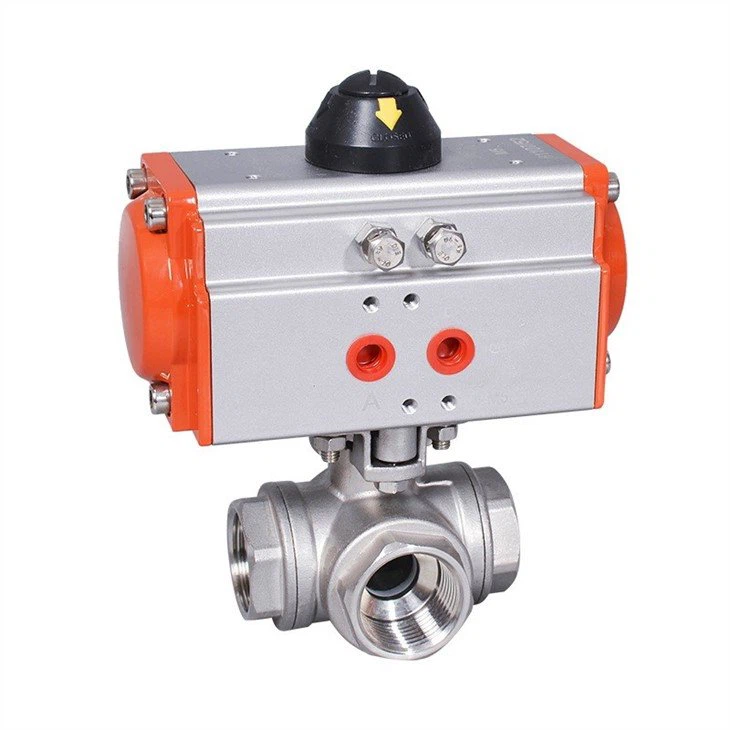
For example, if you need a valve that can handle high-pressure applications, you might consider a Double Acting Numatics Actuator. These actuators are designed to provide high force and precision control, making them ideal for applications where accuracy is crucial.
2. Maintain Proper Air Quality
The quality of the compressed air in your pneumatic system can have a significant impact on the performance of your valves. Contaminants such as dirt, moisture, and oil can cause valves to malfunction or fail prematurely. To prevent this, it's important to maintain proper air quality by using filters, dryers, and regulators.
Regularly inspect and clean your air filters to ensure they are working effectively. Replace them as needed to prevent contaminants from entering your system. Additionally, use a dryer to remove moisture from the compressed air, as moisture can cause corrosion and damage to your valves.
3. Proper Installation and Alignment
Proper installation and alignment of your pneumatic valves are essential for optimal performance. Make sure the valves are installed in the correct orientation and that all connections are tight and secure. Incorrect installation or alignment can cause leaks, reduced flow, and other performance issues.
Follow the manufacturer's instructions carefully when installing your valves. Use the appropriate tools and techniques to ensure a proper fit. Additionally, make sure the valves are aligned correctly with the piping system to prevent any restrictions or blockages.
4. Regular Maintenance and Inspection
Regular maintenance and inspection are key to keeping your pneumatic valves in top condition. Schedule regular maintenance checks to inspect the valves for wear, damage, and leaks. Replace any worn or damaged parts as needed to prevent further problems.
During maintenance, clean the valves and lubricate the moving parts to ensure smooth operation. Check the seals and gaskets for signs of wear or damage and replace them if necessary. Additionally, test the valves to ensure they are functioning properly and that the flow rate and pressure are within the specified range.
5. Use the Right Actuator
The actuator is the component of the pneumatic valve that controls its opening and closing. Choosing the right actuator is crucial for optimal performance. Consider factors such as the type of valve, the application, and the required force and speed.
For example, if you need a valve that can provide high torque and fast operation, you might consider a Pneumatic Rotary Actuator Double Acting. These actuators are designed to provide high force and precision control, making them ideal for applications where speed and accuracy are important.
6. Monitor and Control the System
Monitoring and controlling the pneumatic system is essential for optimizing valve performance. Use sensors and controllers to monitor the pressure, flow rate, and temperature of the system. This will allow you to detect any issues or changes in the system and take appropriate action.
Additionally, use a control system to regulate the operation of the valves. This will allow you to adjust the flow rate and pressure as needed to meet the requirements of your application.

Conclusion
Optimizing the performance of your pneumatic valves is essential for ensuring the efficient and reliable operation of your pneumatic system. By following these tips and tricks, you can improve the performance of your valves, reduce downtime, and extend their lifespan.
If you're in the market for pneumatic valves or need help optimizing the performance of your existing valves, don't hesitate to contact us. We're a leading supplier of pneumatic valves and can provide you with the products and expertise you need to get the most out of your system.
References
- "Pneumatic Valves: A Comprehensive Guide." Industrial Automation Online.
- "Optimizing Pneumatic Valve Performance." Pneumatic Solutions Magazine.
- "The Importance of Air Quality in Pneumatic Systems." Compressed Air Journal.