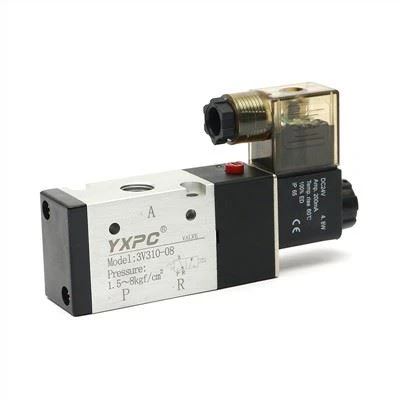
What are the symptoms of solenoid valve damage
Solenoid valve is an automatic device, which can be used to control and adjust the direction, flow, speed and other parameters of the medium. During the long-term use, the solenoid valve will inevitably be damaged. What are the signs of solenoid valve damage?
The solenoid valve is generally damaged in the following aspects:
1. The coil is burnt
If the solenoid valve operates for a long time, the coil will inevitably burn out. If the solenoid valve does not produce oil after being plugged in, the coil will be abnormal. The internal mandrel has no suction, indicating that the coil is burnt out and the solenoid coil needs to be replaced.
2. Abnormal sound
Sometimes AC noise occurs when the solenoid valve is energized because the coil nut is loose. At this time, the pilot valve shall be cleaned to remove foreign matters, and then the nut shall be tightened.
3. The solenoid valve is stuck
Generally, the clearance between the solenoid valve slide sleeve and the valve core is very small, usually less than 0.008mm. When impurities enter or lubricating oil is too little, the solenoid valve is easy to get stuck.
4. Air leakage
The solenoid valve is easy to leak. Once it leaks, the air pressure will be insufficient, making it difficult to open or close the forced valve.
5. The pilot valve orifice is blocked
When the dirt in the pipe blocks the pilot valve hole, the pilot valve cannot be opened. The solution is to disassemble the valve body, clean the internal stains, and then reinstall.