

What is the lifespan of a 220v air solenoid valve?
The lifespan of a 220V air solenoid valve is a critical consideration for both industrial and commercial users. As a supplier of 220V air solenoid valves, I've encountered numerous inquiries regarding the expected lifespan of these essential components. In this blog post, I'll delve into the factors that influence the lifespan of a 220V air solenoid valve, provide some general estimates, and offer tips on how to extend its service life.
Factors Affecting the Lifespan of a 220V Air Solenoid Valve
1. Quality of Materials
The materials used in the construction of a solenoid valve play a significant role in determining its lifespan. High - quality materials such as stainless steel, brass, and high - grade plastics are more resistant to corrosion, wear, and tear. For example, valves with stainless - steel bodies can withstand harsh environmental conditions, including exposure to moisture and chemicals, without rusting or degrading. In contrast, valves made from lower - quality materials may experience premature failure due to corrosion or mechanical damage.

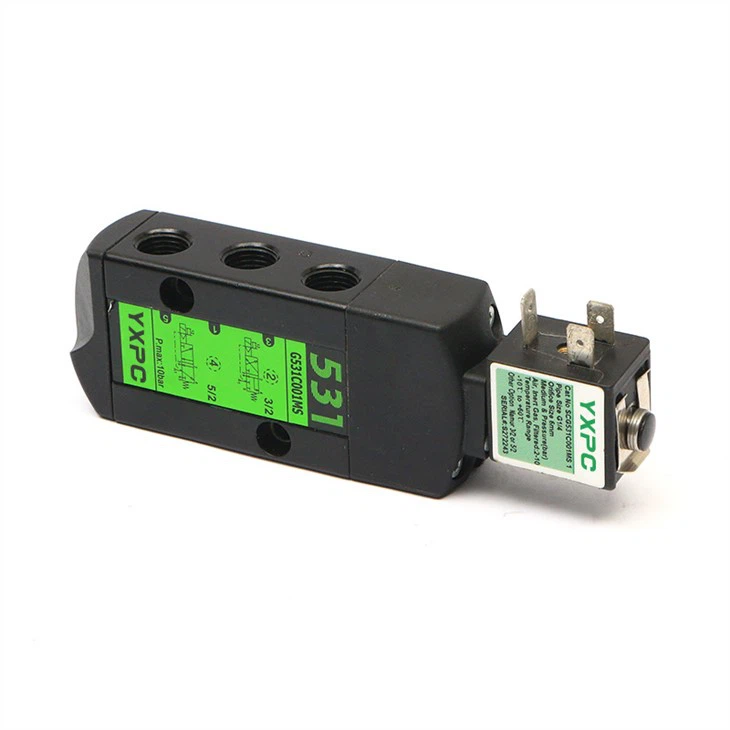
2. Operating Conditions
The environment in which the solenoid valve operates has a profound impact on its lifespan. Factors such as temperature, humidity, and the presence of contaminants can all affect the performance and longevity of the valve. Extreme temperatures, either too hot or too cold, can cause the internal components of the valve to expand or contract, leading to leaks or mechanical failures. High humidity levels can promote corrosion, while the presence of dust, dirt, or other contaminants can clog the valve's orifices and prevent it from functioning properly.
3. Frequency of Use
The frequency at which the solenoid valve is activated also affects its lifespan. Valves that are used frequently, such as those in continuous - operation systems, will experience more wear and tear than those used less often. Each time the valve is opened and closed, the internal components, such as the plunger and the coil, are subjected to mechanical stress. Over time, this stress can lead to component failure.
4. Voltage and Current Stability
A stable power supply is crucial for the proper functioning and longevity of a 220V air solenoid valve. Fluctuations in voltage or current can cause the valve to operate erratically, overheat, or even burn out the coil. It's essential to ensure that the valve is connected to a stable power source and that any electrical issues are addressed promptly.
General Lifespan Estimates
On average, a well - maintained 220V air solenoid valve can last anywhere from 1 million to 10 million cycles. However, this is a very broad estimate, and the actual lifespan can vary significantly depending on the factors mentioned above. For example, a valve operating in a clean, stable environment with a low frequency of use may last closer to the upper end of this range, while a valve exposed to harsh conditions and frequent operation may have a much shorter lifespan.
Tips to Extend the Lifespan of a 220V Air Solenoid Valve
1. Proper Installation
Ensure that the solenoid valve is installed correctly according to the manufacturer's instructions. This includes proper alignment, secure mounting, and correct electrical connections. Incorrect installation can lead to premature wear and tear and may even cause the valve to malfunction.
2. Regular Maintenance
Regular maintenance is essential for extending the lifespan of a solenoid valve. This includes cleaning the valve to remove any dirt or contaminants, checking for leaks, and inspecting the electrical connections. It's also a good idea to lubricate the moving parts of the valve periodically to reduce friction and wear.
3. Use a Filter
Installing a filter in the air supply line can help protect the solenoid valve from contaminants. A filter will remove dust, dirt, and other particles from the air, preventing them from entering the valve and causing damage.
4. Monitor Operating Conditions
Keep an eye on the operating conditions of the valve, such as temperature, humidity, and voltage. If any issues are detected, take appropriate action to correct them. For example, if the temperature is too high, consider installing a cooling system or relocating the valve to a cooler area.
Our Product Range
As a supplier of 220V air solenoid valves, we offer a wide range of products to meet the diverse needs of our customers. In addition to our standard 220V valves, we also provide Pneumatic Solenoid Valve 12 Volt, which are suitable for applications where a lower voltage is required. Our Namur Pneumatic Solenoid Valve are designed to meet the specific requirements of Namur - compatible systems, offering reliable performance and long - term durability. We also offer Pneumatic Three Way Valve, which are ideal for applications that require the control of multiple air flows.
Contact Us for Purchasing
If you're in the market for a 220V air solenoid valve or any of our other products, we'd be happy to discuss your requirements. Our team of experts can provide you with detailed information about our products, help you select the right valve for your application, and offer guidance on installation and maintenance. Don't hesitate to reach out to us to start the purchasing process and ensure that you get the best - quality solenoid valves for your needs.
References
- "Solenoid Valve Handbook", published by the American Valve Association
- Technical documentation from leading solenoid valve manufacturers