

What is the impact of the valve's material compatibility on its performance?
Hey there! As a supplier of Pneumatic Pulse Valves, I've seen firsthand how the material compatibility of valves can have a big impact on their performance. In this blog, I'm gonna break down what material compatibility means for valves and why it matters so much.
What is Material Compatibility in Valves?
Let's start with the basics. Material compatibility refers to how well different materials in a valve can work together without causing problems like corrosion, wear and tear, or chemical reactions. When we talk about a valve, we're not just talking about one single material. A typical valve has several components - like the body, the diaphragm, the seals, and the internal parts. Each of these might be made from different materials, and they all need to get along.
Think about it like a team. If the players don't work well together, the whole game falls apart. In the same way, if the materials in a valve aren't compatible, the valve won't function properly.
Why Material Compatibility Matters for Valve Performance
1. Corrosion
Corrosion is one of the biggest enemies of valves. When incompatible materials are exposed to a certain environment, one or more of them can start to corrode. For example, if you have a valve made of a metal that's not resistant to a particular chemical in the fluid it's controlling, the metal will start to break down. This can cause leaks, reduced flow rate, and even complete valve failure.
Let's say you're using a valve in a chemical processing plant where the fluid contains a lot of acids. If the valve body is made of a regular steel that's not acid-resistant, it will corrode quickly. This not only shortens the valve's lifespan but also poses a safety risk as the corroded parts could break off and contaminate the process.
2. Wear and Tear
Incompatible materials can also lead to increased wear and tear. When two materials rub against each other and they're not a good match, they can cause friction. This friction can wear down the surfaces of the valve components over time. For instance, if the diaphragm in a Diaphragm Actuated Control Valve isn't made of a material that can withstand the movement and pressure inside the valve, it will start to tear. Once the diaphragm is damaged, the valve won't be able to control the flow properly.
3. Chemical Reactions
Sometimes, incompatible materials can react chemically with each other or with the fluid they're in contact with. This can create new substances that can clog the valve, change the properties of the fluid, or damage the valve components. For example, if a rubber seal in a valve reacts with a solvent in the fluid, it can swell or dissolve. This can lead to leaks and affect the valve's performance.
Impact on Different Types of Pneumatic Pulse Valves
Pulse Controlled Double Diaphragm Pulse Valve
In a Pulse Controlled Double Diaphragm Pulse Valve, the diaphragms play a crucial role. They need to be made of a material that's flexible enough to move with the pressure changes but also strong enough to withstand repeated use. If the diaphragm material isn't compatible with the air or fluid passing through the valve, it can degrade quickly. This can lead to inconsistent pulsing, reduced efficiency, and eventually, valve failure.
High Pressure Solenoid Valve
High Pressure Solenoid Valves are designed to handle high-pressure situations. The materials used in these valves need to be able to withstand the extreme pressure without deforming or breaking. For example, the solenoid coil needs to be insulated with a material that can handle high temperatures and electrical currents. If the insulation material isn't compatible with the internal environment of the valve, it can break down, causing short circuits and valve malfunctions.
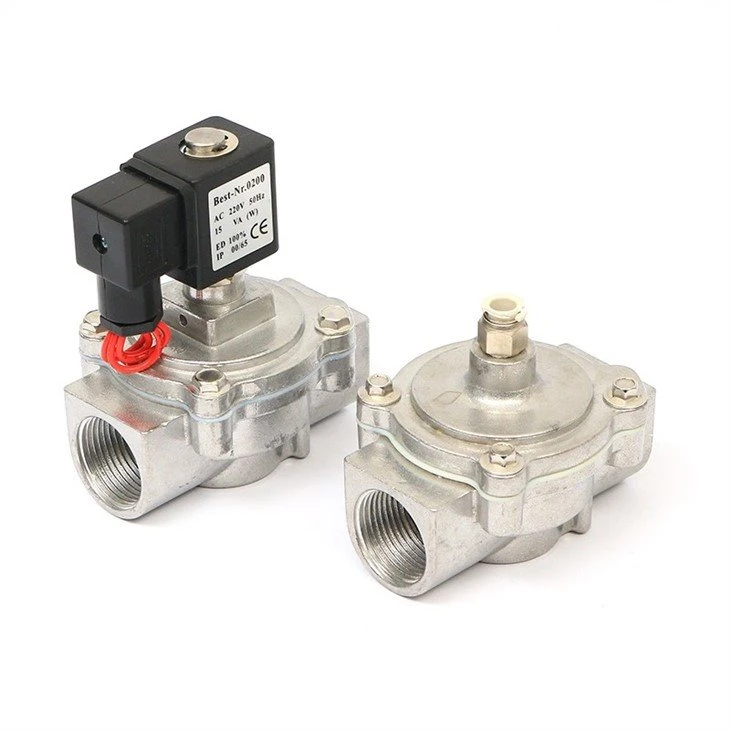

Flange Connection Diaphragm Dust Collector Valve
In a Flange Connection Diaphragm Dust Collector Valve, the diaphragm is exposed to dust and debris. The material of the diaphragm needs to be resistant to abrasion and chemical corrosion. If the diaphragm material isn't compatible with the dust particles or the cleaning agents used in the dust collector, it can wear out quickly. This can lead to leaks and reduced dust collection efficiency.
Right Angle Pulse Jet Solenoid Valve
The Right Angle Pulse Jet Solenoid Valve is often used in applications where quick and precise pulsing is required. The materials used in this valve need to be able to respond rapidly to the electrical signals and the pressure changes. If the internal components aren't made of compatible materials, there can be delays in the pulsing action, which can affect the overall performance of the system.
Choosing the Right Materials for Pneumatic Pulse Valves
So, how do you choose the right materials for your pneumatic pulse valves? Well, it depends on several factors.
1. The Fluid or Gas
The first thing you need to consider is the fluid or gas that the valve will be controlling. If it's a corrosive chemical, you'll need a valve made of corrosion-resistant materials like stainless steel or plastic. If it's a high-temperature gas, you'll need materials that can withstand the heat.
2. The Operating Environment
The operating environment also plays a big role. If the valve is going to be used in a dusty environment, you'll need materials that are resistant to abrasion. If it's in a humid environment, you'll need to prevent corrosion.
3. The Pressure and Temperature
The pressure and temperature of the system are important factors too. High-pressure systems require stronger materials, while high-temperature systems need heat-resistant materials.
Conclusion
In conclusion, the material compatibility of a valve has a huge impact on its performance. By choosing the right materials for your pneumatic pulse valves, you can ensure that they work efficiently, last longer, and reduce the risk of breakdowns. At our company, we understand the importance of material compatibility, and we offer a wide range of valves made from high-quality, compatible materials.
If you're in the market for pneumatic pulse valves and want to learn more about how material compatibility can benefit your application, don't hesitate to reach out. We're here to help you choose the right valve for your needs and answer any questions you might have. Let's start a conversation and see how we can work together to improve your system's performance!
References
- Valve Handbook: A Guide to Valve Selection and Application, 3rd Edition
- Pneumatic Systems Design and Troubleshooting Manual
- Material Science and Engineering for Valve Applications