

What is the frequency response of a 12V electric air valve?
In the realm of industrial automation and fluid control systems, 12V electric air valves play a crucial role. As a dedicated supplier of 12V electric air valves, I am often asked about various technical aspects of these devices, one of the most common questions being about their frequency response. In this blog, I will delve into the concept of the frequency response of a 12V electric air valve, its significance, and how it impacts the overall performance of your systems.
Understanding the Basics of a 12V Electric Air Valve
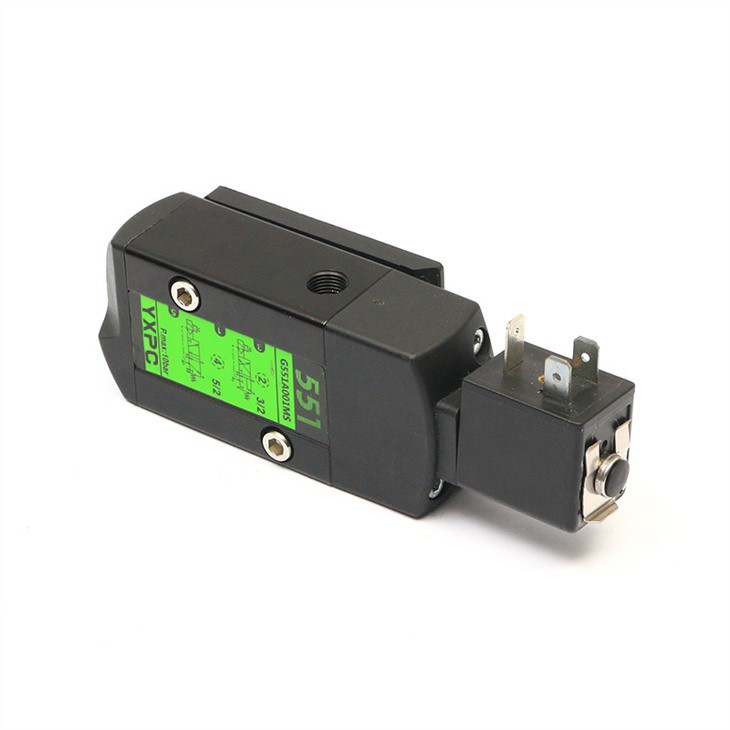
Before we jump into the frequency response, let's briefly understand what a 12V electric air valve is. A 12V electric air valve is a type of solenoid valve that uses an electrical current of 12 volts to control the flow of air. These valves are widely used in a variety of applications, from small - scale laboratory equipment to large - scale industrial machinery. They are favored for their simplicity, reliability, and ease of integration with other electronic control systems.
The basic operation of a 12V electric air valve involves an electromagnet. When the 12V electrical signal is applied, the electromagnet is energized, which either opens or closes the valve depending on its design. This is known as the "on - off" control mode, which is the most common form of operation for these valves.
What is Frequency Response?
Frequency response refers to the behavior of a system, in this case, a 12V electric air valve, when it is subjected to an input signal that varies in frequency. In other words, it describes how well the valve can respond to changes in the electrical input signal over different frequencies.
A valve's frequency response is typically characterized by two main parameters: the bandwidth and the phase shift. The bandwidth is the range of frequencies over which the valve can accurately follow the input signal. For example, if a valve has a bandwidth from 0 Hz to 100 Hz, it means that it can effectively open and close in response to input signals within this frequency range.

The phase shift, on the other hand, measures the time delay between the input signal and the valve's response. A small phase shift indicates that the valve can closely follow the input signal without significant delay, which is desirable in most applications.
Significance of Frequency Response in 12V Electric Air Valves
The frequency response of a 12V electric air valve is of great significance in many applications. In high - speed automation systems, for example, where the valve needs to open and close rapidly to control the flow of air, a high - frequency response is essential. If the valve has a low bandwidth, it may not be able to keep up with the rapid changes in the input signal, resulting in inaccurate control of the air flow.
In precision control systems, such as those used in medical devices or semiconductor manufacturing, the phase shift also becomes critical. A large phase shift can introduce errors in the control process, leading to inconsistent performance and potentially affecting the quality of the final product.
Factors Affecting the Frequency Response of a 12V Electric Air Valve
Several factors can affect the frequency response of a 12V electric air valve. One of the most significant factors is the mechanical design of the valve. Valves with lighter moving parts and lower frictional forces generally have a higher frequency response. This is because lighter parts can accelerate and decelerate more quickly in response to the electrical signal, allowing the valve to open and close faster.
The electrical characteristics of the solenoid also play a crucial role. A solenoid with a lower inductance can respond more quickly to changes in the electrical current, resulting in a higher frequency response. Additionally, the quality of the electrical components and the design of the control circuit can impact the valve's ability to handle high - frequency input signals.
The fluid properties of the air also have an effect. Higher air pressures or more viscous air can increase the load on the valve, making it more difficult for the valve to open and close rapidly. This can reduce the overall frequency response of the valve.
Evaluating the Frequency Response of a 12V Electric Air Valve
As a supplier, we use a variety of methods to evaluate the frequency response of our 12V electric air valves. One common method is to apply a sinusoidal electrical input signal to the valve and measure its output. By varying the frequency of the input signal and observing the valve's response, we can determine its bandwidth and phase shift.
We also conduct tests under different operating conditions, such as varying air pressures and temperatures, to ensure that the valve's frequency response remains stable. This allows us to provide our customers with accurate information about the valve's performance in real - world applications.
Comparing Our 12V Electric Air Valves with Competitors
Our 12V electric air valves are designed to offer excellent frequency response compared to many of our competitors. Through continuous research and development, we have optimized the mechanical design of our valves to reduce moving mass and friction. This has resulted in valves that can respond more quickly to input signals, offering a wider bandwidth.
In addition, we use high - quality solenoids and advanced control circuits in our valves. These components are selected for their ability to handle high - frequency signals with minimal phase shift, ensuring precise control even in demanding applications.
Applications and Related Products
Our 12V electric air valves find applications in a wide range of industries. In the automotive industry, they are used for controlling the air intake and exhaust systems of engines. In the food and beverage industry, they are used for pneumatic conveying and packaging equipment.
If you are looking for related products, we also offer Double Acting Actuator Valve Pneumatic which provides more complex control options for pneumatic systems. Our Namur Pneumatic Solenoid Valve is a popular choice for applications that require a standardized interface for solenoid valves. And of course, our Pneumatic Solenoid Valve 12 Volt is suitable for those who specifically need a 12V - operated pneumatic solenoid valve.
Contact Us for Your Purchasing Needs
Whether you are a small - scale user or a large - scale industrial manufacturer, our 12V electric air valves with their excellent frequency response can meet your needs. We have a team of experienced engineers who can provide technical support and guidance to help you select the right valve for your application.
If you are interested in learning more about our products or would like to discuss a potential purchase, we encourage you to reach out to us. We are committed to providing high - quality products and outstanding customer service. Let's work together to find the perfect solution for your fluid control requirements.
References
- Dorf, R. C., & Bishop, R. H. (2016). Modern Control Systems. Pearson.
- Karnopp, D. C., Margolis, D. L., & Rosenberg, R. C. (2012). System Dynamics: Modeling, Simulation, and Control of Mechatronic Systems. Wiley.