

How to test a 12 Volt Solenoid Coil?
As a supplier of 12 Volt Solenoid Coils, I understand the importance of ensuring the quality and functionality of these components. Testing a 12 Volt Solenoid Coil is a crucial step in the manufacturing and quality control process, as it helps to identify any potential issues and ensure that the coil meets the required specifications. In this blog post, I will share some insights on how to test a 12 Volt Solenoid Coil effectively.
Understanding the Basics of a 12 Volt Solenoid Coil
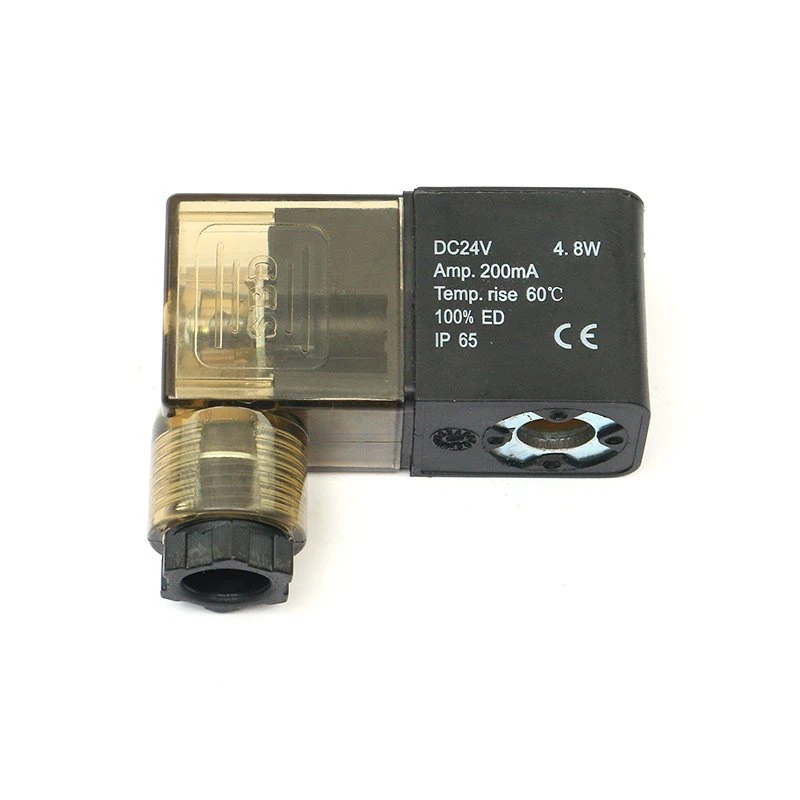
Before diving into the testing process, it's essential to understand the basic principles of a 12 Volt Solenoid Coil. A solenoid coil is an electromechanical device that converts electrical energy into linear motion. It consists of a coil of wire wound around a core, typically made of iron or steel. When an electrical current is applied to the coil, it creates a magnetic field that attracts a movable plunger or armature, causing it to move linearly.
Tools Required for Testing
To test a 12 Volt Solenoid Coil, you will need the following tools:
- Multimeter: A multimeter is a versatile tool that can measure voltage, current, and resistance. It is essential for testing the electrical properties of the solenoid coil.
- Power Supply: A 12 Volt power supply is required to energize the solenoid coil during the testing process. You can use a battery or a regulated power supply.
- Alligator Clips: Alligator clips are used to connect the multimeter and the power supply to the solenoid coil.
- Insulation Resistance Tester (Optional): An insulation resistance tester can be used to measure the insulation resistance of the solenoid coil, which helps to identify any potential insulation issues.
Testing Steps
Step 1: Visual Inspection
Before conducting any electrical tests, perform a visual inspection of the solenoid coil. Look for any signs of physical damage, such as cracks, burns, or loose connections. Also, check the coil terminals for corrosion or dirt, as these can affect the electrical performance of the coil.
Step 2: Measuring Resistance
The first electrical test to perform is to measure the resistance of the solenoid coil. The resistance value is a crucial parameter that indicates the health of the coil. To measure the resistance, follow these steps:
- Turn off the power supply to the solenoid coil.
- Connect the multimeter leads to the two terminals of the solenoid coil using alligator clips.
- Set the multimeter to the resistance measurement mode (usually denoted by the symbol "Ω").
- Read the resistance value displayed on the multimeter.
The resistance value of a 12 Volt Solenoid Coil can vary depending on its design and specifications. However, a typical resistance value for a 12 Volt Solenoid Coil ranges from a few ohms to several hundred ohms. If the measured resistance value is significantly different from the specified value, it may indicate a problem with the coil, such as a short circuit or an open circuit.
Step 3: Testing for Continuity
In addition to measuring the resistance, you should also test the solenoid coil for continuity. Continuity testing helps to ensure that there are no breaks in the coil's winding. To perform a continuity test, follow these steps:
- Turn off the power supply to the solenoid coil.
- Connect the multimeter leads to the two terminals of the solenoid coil using alligator clips.
- Set the multimeter to the continuity measurement mode (usually denoted by a sounding icon).
- If the multimeter emits a continuous beep, it indicates that there is continuity in the coil. If there is no beep, it may indicate an open circuit in the coil.
Step 4: Applying Power
Once you have verified the resistance and continuity of the solenoid coil, the next step is to apply power to the coil and observe its operation. To apply power to the solenoid coil, follow these steps:
- Connect the positive terminal of the 12 Volt power supply to one terminal of the solenoid coil using an alligator clip.
- Connect the negative terminal of the 12 Volt power supply to the other terminal of the solenoid coil using an alligator clip.
- Observe the movement of the plunger or armature inside the solenoid coil. If the coil is functioning correctly, the plunger or armature should move linearly when power is applied.
- Check for any abnormal sounds or vibrations during the operation of the solenoid coil. Abnormal sounds or vibrations may indicate a problem with the coil or its mechanical components.
Step 5: Measuring Current
To ensure that the solenoid coil is operating within the specified current range, you can measure the current flowing through the coil when power is applied. To measure the current, follow these steps:
- Set the multimeter to the current measurement mode (usually denoted by the symbol "A").
- Break the circuit between the power supply and the solenoid coil.
- Connect the multimeter in series with the solenoid coil by inserting one multimeter lead between the power supply and the solenoid coil terminal, and the other multimeter lead between the other solenoid coil terminal and the ground.
- Apply power to the solenoid coil and read the current value displayed on the multimeter.
The current value of a 12 Volt Solenoid Coil can vary depending on its design and specifications. However, a typical current value for a 12 Volt Solenoid Coil ranges from a few milliamperes to several hundred milliamperes. If the measured current value is significantly higher or lower than the specified value, it may indicate a problem with the coil or the power supply.
Step 6: Insulation Resistance Testing (Optional)
Insulation resistance testing is an optional step that can be performed to check the insulation integrity of the solenoid coil. A low insulation resistance value may indicate a problem with the insulation, such as moisture ingress or damaged insulation. To perform an insulation resistance test, follow these steps:

- Turn off the power supply to the solenoid coil.
- Disconnect the solenoid coil from the power supply and any other electrical connections.
- Connect the insulation resistance tester leads to the coil terminals and the coil body (ground).
- Set the insulation resistance tester to the appropriate voltage and measurement range.
- Read the insulation resistance value displayed on the tester.
The insulation resistance value of a 12 Volt Solenoid Coil should be above a certain minimum value, typically in the range of several megohms. If the measured insulation resistance value is significantly lower than the specified value, it may indicate a problem with the insulation and the coil should be further investigated or replaced.
Troubleshooting Common Issues
If the solenoid coil fails any of the tests, it may indicate a problem with the coil or its components. Here are some common issues and troubleshooting steps:
- No Movement: If the plunger or armature does not move when power is applied, check the power supply to ensure that it is providing the correct voltage. Also, check the coil terminals for loose connections or corrosion. If the power supply and connections are ok, the coil may be faulty and should be replaced.
- Abnormal Sounds or Vibrations: Abnormal sounds or vibrations during the operation of the solenoid coil may indicate a problem with the mechanical components, such as a stuck plunger or a misaligned armature. Check the mechanical components for any signs of damage or misalignment and repair or replace them as necessary.
- High Resistance or Open Circuit: If the measured resistance value is significantly higher than the specified value or there is no continuity in the coil, it may indicate an open circuit in the coil's winding. In this case, the coil should be replaced.
- Low Resistance or Short Circuit: If the measured resistance value is significantly lower than the specified value, it may indicate a short circuit in the coil's winding. A short circuit can cause the coil to overheat and fail. In this case, the coil should be replaced.
Conclusion
Testing a 12 Volt Solenoid Coil is a relatively straightforward process that can be performed using simple tools. By following the steps outlined in this blog post, you can effectively test the electrical and mechanical properties of a 12 Volt Solenoid Coil and identify any potential issues. As a supplier of 12 Volt Solenoid Coils, we are committed to providing high-quality products that meet the highest standards of performance and reliability. If you have any questions or need further assistance with testing or selecting a 12 Volt Solenoid Coil, please feel free to [contact us for procurement and negotiation]. We also offer a wide range of related products, such as 220v Ac Solenoid Valve Coil, Solenoid Valve Coil Explosion Proof, and 110v Ac Solenoid Coil.
References
- "Electromechanical Systems: Design, Modeling, and Control" by G. Beni, S. Arimoto, and T. Fukuda.
- "Practical Electrical Engineering" by A. Kamkar and R. Civanlar.