

How to maintain a Solenoid Coil 230vac?
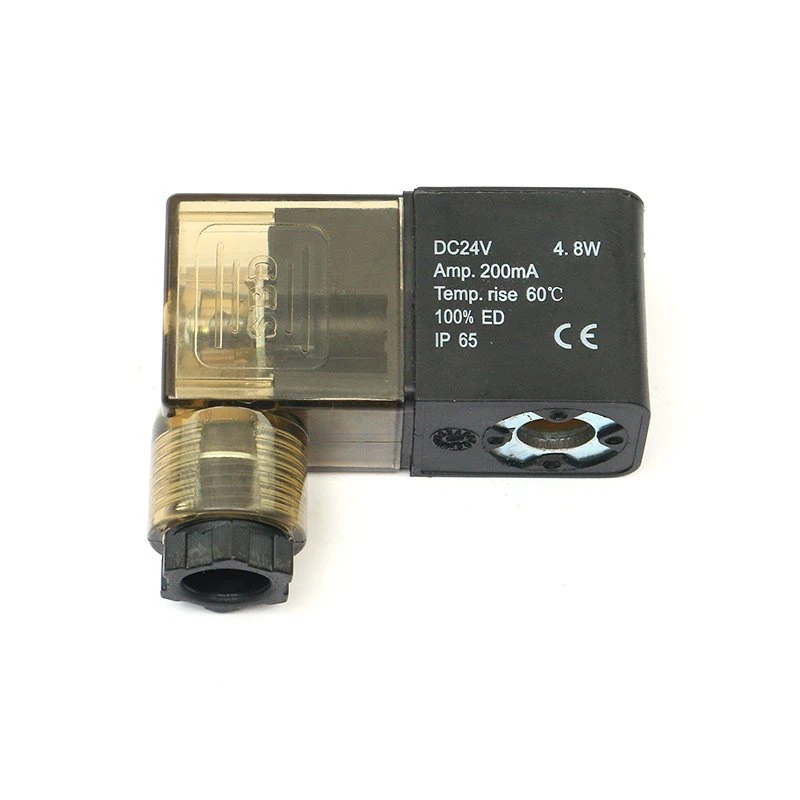
As a supplier of Solenoid Coil 230vac, I often get asked about how to maintain these little powerhouses. These coils are crucial components in many applications, and proper maintenance can significantly extend their lifespan and ensure they work efficiently. So, let's dive into some practical tips on keeping your Solenoid Coil 230vac in tip - top shape.
Regular Inspection is Key
First off, it’s super important to do regular visual inspections. Take a close look at the coil for any signs of physical damage. Check for cracks in the insulation. If you spot any, it's a problem. Damaged insulation can lead to short - circuits, which not only mess up the coil but can also pose a safety risk. Also, look for any signs of overheating, like discoloration on the coil. If it’s turning brown or black in places, that’s a red flag. Overheating can be caused by a variety of issues, from poor ventilation to electrical problems.
Another thing to inspect is the connections. Make sure the wires are securely attached to the coil terminals. Loose connections can cause intermittent operation or even result in the coil not working at all. Sometimes, vibration or thermal cycling can cause these connections to loosen over time, so it’s worth double - checking them periodically.
Keep it Clean
Dirt, dust, and debris can be a coil's worst enemy. A dirty coil can overheat more easily because the debris can act as an insulator, preventing heat from dissipating properly. You can use a soft, dry brush to gently remove any visible dirt from the surface of the coil. Be careful not to damage the insulation while you're doing this.
For more stubborn dirt or grease, you can use a mild, non - conductive cleaning solution. Just make sure to follow the manufacturer's instructions. After cleaning, let the coil dry completely before reinstalling it. And always be careful around sensitive components when you're cleaning, as you don't want to accidentally cause any damage.
Check the Power Supply
Your Solenoid Coil 230vac is designed to operate at a specific voltage. Fluctuations in the power supply can cause serious problems. When the voltage is too high, the coil can overheat and burn out. On the other hand, if the voltage is too low, the coil may not generate enough magnetic force to function correctly.
You can use a multimeter to check the voltage at the coil terminals. Make sure it’s within the acceptable range specified by the manufacturer. If you notice significant voltage fluctuations in your power supply, consider using a voltage stabilizer. This device can help keep the voltage constant and protect your coil from damage.

Lubrication (When Applicable)
Some solenoid coils are part of systems that require lubrication. For example, if your coil is connected to a Solenoid Valve Spool Core, the spool may need lubrication to move smoothly. However, it's crucial to use the right type of lubricant. Using the wrong lubricant can cause problems, such as attracting more dirt or interfering with the electrical operation of the coil.
Consult the manufacturer's guidelines to find out if lubrication is necessary and what type of lubricant to use. When applying the lubricant, be careful not to get any on the coil itself, as this can also damage the insulation.
Storage Considerations
If you have unused Solenoid Coil 230vac in storage, you need to take proper care of them as well. Store the coils in a dry, cool place away from direct sunlight. Humidity can cause corrosion on the coil and its terminals, while excessive heat can degrade the insulation.
It’s also a good idea to keep the coils in their original packaging or a protective container. This can help prevent physical damage during storage. And if you're storing them for an extended period, it might be worth checking on them every once in a while to make sure they're still in good condition.
Troubleshooting and Replacement
Even with the best maintenance, things can sometimes go wrong. If you notice that your solenoid coil isn't working properly, there are a few things you can do. First, check all the connections and the power supply again. If everything seems fine there, it could be an issue with the coil itself.
You can use a multimeter to test the resistance of the coil. Compare the reading to the manufacturer's specifications. If the resistance is significantly different, it’s likely that the coil is faulty and needs to be replaced.
When it comes to replacement, it's important to choose a high - quality coil. We, as a Solenoid Coil 230vac supplier, offer a wide range of reliable coils that are designed to meet various requirements. And if you're looking for other types of solenoid coils, like 110v Ac Solenoid Coil or Ex Proof 220vac Solenoid Coil, we've got you covered too.
Conclusion
Maintaining a Solenoid Coil 230vac is not overly complicated, but it does require some attention and regular checks. By following these tips, you can ensure that your coil operates efficiently and has a long lifespan. Remember, proper maintenance not only saves you money in the long run by reducing the need for frequent replacements but also helps keep your equipment running smoothly.
If you're in the market for high - quality Solenoid Coil 230vac or have any questions about maintenance, feel free to reach out and start a procurement discussion. We're here to help you find the right solutions for your needs.
References
- Manufacturer's manuals for Solenoid Coil 230vac
- Industry best practices for solenoid coil maintenance