

How to improve the sealing performance of a fluid solenoid valve?
As a fluid solenoid valve supplier, I understand the critical importance of sealing performance in these valves. A well - sealed solenoid valve not only ensures the efficient and safe operation of fluid systems but also reduces maintenance costs and extends the service life of the valve. In this blog, I will share some effective ways to improve the sealing performance of a fluid solenoid valve.
Understanding the Basics of Sealing in Fluid Solenoid Valves
Before delving into the methods of improving sealing performance, it's essential to understand the basic principles of sealing in fluid solenoid valves. The sealing mechanism typically involves a sealing element, such as an O - ring, gasket, or diaphragm, which prevents the leakage of fluid between different parts of the valve. The effectiveness of the seal depends on several factors, including the material of the sealing element, the design of the valve, and the operating conditions.
Selecting the Right Sealing Materials
One of the most crucial steps in improving the sealing performance of a fluid solenoid valve is selecting the right sealing materials. Different fluids and operating conditions require different types of sealing materials.
- Elastomers: Elastomers like nitrile rubber (NBR), fluorocarbon rubber (FKM), and ethylene - propylene diene monomer (EPDM) are commonly used as sealing materials in solenoid valves. NBR is suitable for general - purpose applications with water, oil, and some chemicals. FKM, on the other hand, offers excellent resistance to high - temperature and aggressive chemicals, making it ideal for harsh environments. EPDM is known for its good resistance to water, steam, and weathering.
- Plastics: Some plastic materials, such as polytetrafluoroethylene (PTFE), are also used for sealing. PTFE has a very low coefficient of friction and excellent chemical resistance, which makes it suitable for applications where low - friction sealing is required.
When choosing the sealing material, it's important to consider the compatibility of the material with the fluid being handled, the operating temperature, pressure, and the expected service life of the valve.
Optimizing the Valve Design
The design of the fluid solenoid valve also plays a significant role in its sealing performance. Here are some design aspects to consider:
- Sealing Surface Finish: A smooth and flat sealing surface is essential for a good seal. Any roughness or irregularities on the sealing surface can lead to leakage. Manufacturers should ensure that the sealing surfaces are machined to the appropriate finish specifications.
- Sealing Geometry: The geometry of the sealing element and the valve body can affect the sealing performance. For example, the shape and size of the O - ring groove should be designed to provide the right amount of compression on the O - ring, ensuring a tight seal.
- Valve Structure: The overall structure of the valve, such as the number of sealing points and the way the valve is assembled, can also impact the sealing performance. A well - designed valve should minimize the number of potential leakage paths.
Controlling Operating Conditions
The operating conditions of the fluid solenoid valve can have a significant impact on its sealing performance. Here are some key operating conditions to control:
- Temperature: High temperatures can cause the sealing material to degrade, leading to reduced sealing performance. It's important to select a sealing material that can withstand the expected operating temperature. In addition, proper heat dissipation measures should be taken to prevent overheating of the valve.
- Pressure: Excessive pressure can cause the sealing element to deform or fail. The valve should be designed to handle the maximum expected pressure in the system. Pressure relief devices can also be installed to protect the valve from over - pressure situations.
- Fluid Properties: The properties of the fluid being handled, such as viscosity, corrosiveness, and particle content, can affect the sealing performance. For example, a highly viscous fluid may require a different sealing design than a low - viscosity fluid. Corrosive fluids may require a sealing material with high chemical resistance.
Regular Maintenance and Inspection
Regular maintenance and inspection are essential for maintaining the sealing performance of a fluid solenoid valve. Here are some maintenance and inspection practices:
- Visual Inspection: Regularly inspect the valve for any signs of leakage, damage to the sealing element, or wear on the valve components. If any issues are detected, they should be addressed immediately.
- Lubrication: Some sealing materials may require lubrication to reduce friction and improve sealing performance. However, it's important to use a lubricant that is compatible with the sealing material and the fluid being handled.
- Replacement of Sealing Elements: Over time, the sealing elements may wear out or degrade. It's important to replace the sealing elements at regular intervals to ensure continued good sealing performance.
Case Studies
Let's take a look at some real - world examples of how these methods have been applied to improve the sealing performance of fluid solenoid valves.
- Industrial Water Treatment: In an industrial water treatment plant, a solenoid valve was experiencing leakage due to the use of an inappropriate sealing material. After switching to a more suitable EPDM O - ring, the leakage was significantly reduced, and the valve's sealing performance improved.
- Chemical Processing: In a chemical processing plant, a solenoid valve was exposed to high - temperature and corrosive chemicals. By using a FKM sealing element and optimizing the valve design, the valve was able to operate reliably without leakage.
Conclusion
Improving the sealing performance of a fluid solenoid valve requires a comprehensive approach that includes selecting the right sealing materials, optimizing the valve design, controlling operating conditions, and performing regular maintenance and inspection. As a fluid solenoid valve supplier, we are committed to providing high - quality valves with excellent sealing performance.

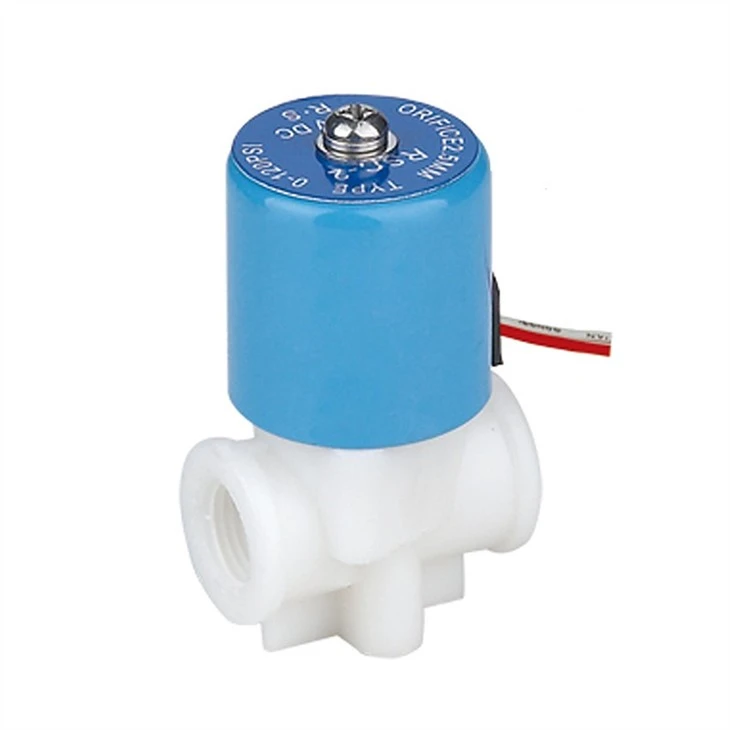
If you are interested in our Solenoid Valve Air Water Brass, 1 Inch Solenoid Valve Normally Open, or Ro Water Purifier Solenoid Valve, or if you have any questions about improving the sealing performance of fluid solenoid valves, please feel free to contact us for further discussion and procurement.
References
- "Valve Handbook" by J. R. Arnold
- "Sealing Technology Handbook" by John H. Bickford