

What is the power factor of a Namur solenoid?
Hey there! As a supplier of Namur solenoids, I often get asked about the power factor of these little wonders. So, I thought I'd sit down and write a blog post to share what I know.
First off, let's talk about what a Namur solenoid is. Namur solenoids are a type of solenoid valve that are commonly used in industrial applications. They're designed to be mounted directly onto pneumatic actuators, which makes them a popular choice for controlling the flow of air or other gases in a variety of systems.
Now, onto the power factor. The power factor of a Namur solenoid is a measure of how efficiently it uses electrical power. It's expressed as a number between 0 and 1, with 1 being the most efficient. A power factor of 1 means that all of the electrical power being supplied to the solenoid is being used to do useful work, like opening or closing the valve. A power factor of less than 1 means that some of the electrical power is being wasted, usually in the form of heat.
So, why is the power factor important? Well, for one thing, a low power factor can result in higher energy costs. When a solenoid has a low power factor, it draws more current from the electrical supply than it needs to in order to do its job. This extra current can cause the electrical system to work harder, which can lead to increased energy consumption and higher utility bills.
In addition to the cost savings, a high power factor can also help to extend the lifespan of the solenoid. When a solenoid has a low power factor, it generates more heat than it would if it had a high power factor. This extra heat can cause the solenoid to wear out more quickly, which can lead to more frequent replacements and higher maintenance costs.
So, what factors can affect the power factor of a Namur solenoid? There are a few things to consider. One of the biggest factors is the type of load that the solenoid is driving. Different types of loads have different power factor requirements, so it's important to choose a solenoid that is designed to work with the specific load that you're using.
Another factor that can affect the power factor is the frequency of the electrical supply. Namur solenoids are typically designed to work with a specific frequency, usually 50 or 60 Hz. If the frequency of the electrical supply is different from the frequency that the solenoid is designed for, it can cause the power factor to decrease.
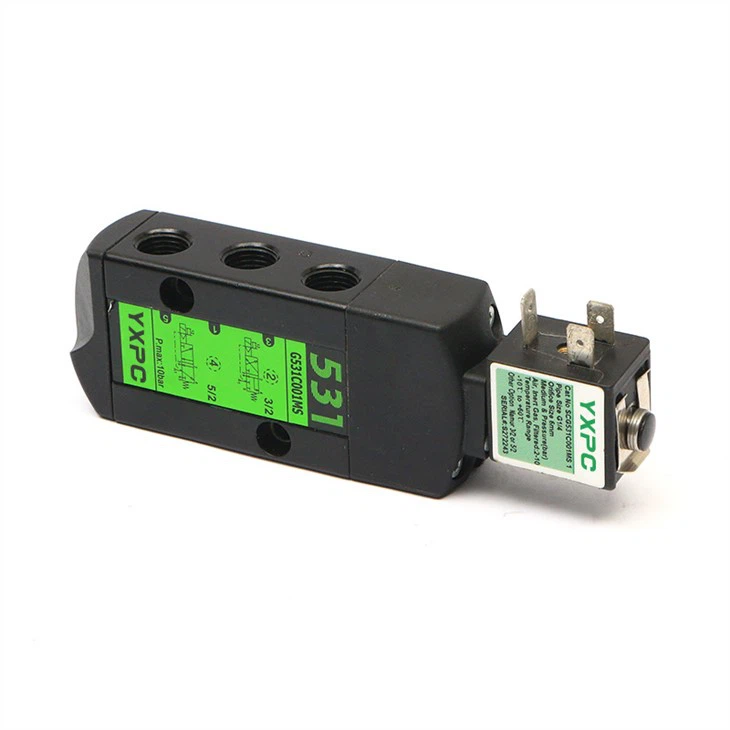

The temperature of the solenoid can also have an impact on the power factor. As the temperature of the solenoid increases, its resistance also increases. This can cause the power factor to decrease, as the solenoid will draw more current from the electrical supply in order to maintain the same level of performance.
So, how can you improve the power factor of a Namur solenoid? One way is to choose a solenoid that is designed to have a high power factor. Many modern Namur solenoids are designed with advanced technologies that help to improve their power factor, such as low-loss coils and efficient magnetic circuits.
Another way to improve the power factor is to use a power factor correction device. These devices are designed to compensate for the low power factor of the solenoid by adding or subtracting reactive power from the electrical supply. By using a power factor correction device, you can reduce the amount of current that the solenoid draws from the electrical supply, which can help to improve its power factor and reduce energy costs.
At our company, we offer a wide range of Namur solenoids that are designed to have high power factors. Our solenoids are built with advanced technologies and high-quality materials, which helps to ensure that they are efficient, reliable, and long-lasting. We also offer a variety of power factor correction devices that can help to improve the power factor of your solenoids and reduce energy costs.
If you're in the market for a Namur solenoid, I encourage you to check out our selection of double acting actuator Valve Pneumatic, Pneumatic Solenoid Valve 12 Volt, and Pneumatic Three Way Valve. We're confident that you'll find the perfect solenoid for your application, and our team of experts is always available to help you with any questions or concerns that you may have.
So, if you're looking for a reliable and efficient Namur solenoid, look no further than our company. We're committed to providing our customers with the highest quality products and services, and we're always here to help you get the most out of your solenoids. Contact us today to learn more about our products and how we can help you with your next project.
References
- Electrical Engineering textbooks on power factor and solenoid operation
- Manufacturer specifications and technical data on Namur solenoids