

What is the dielectric strength of a Namur solenoid?
In the realm of industrial automation and fluid control systems, Namur solenoids play a crucial role. As a supplier of Namur solenoids, I often encounter questions from customers regarding various technical aspects of these devices. One such frequently asked question is about the dielectric strength of a Namur solenoid. In this blog post, I will delve into the concept of dielectric strength, its significance in Namur solenoids, and how it impacts the performance and safety of these components.
Understanding Dielectric Strength
Dielectric strength is a fundamental property of insulating materials. It refers to the maximum electric field that an insulating material can withstand without breaking down and allowing current to flow through it. In the context of Namur solenoids, the dielectric strength is a measure of the ability of the solenoid's insulation to resist electrical breakdown under high - voltage conditions.
When an electric field is applied across an insulating material, the electrons within the material are subjected to a force. If the electric field is strong enough, the electrons can be freed from their atomic bonds, creating a conductive path through the material. This phenomenon is known as electrical breakdown, and it can lead to short - circuits, malfunctions, and even safety hazards.
The dielectric strength is typically expressed in volts per unit thickness (e.g., volts per millimeter). For example, if an insulating material has a dielectric strength of 1000 V/mm, it means that the material can withstand an electric field of 1000 volts across every millimeter of its thickness before breaking down.
Importance of Dielectric Strength in Namur Solenoids
Namur solenoids are commonly used in industrial applications where they are exposed to various electrical and environmental conditions. The dielectric strength of a Namur solenoid is of utmost importance for several reasons:
Safety
In industrial settings, safety is a top priority. A Namur solenoid with insufficient dielectric strength can pose a significant safety risk. Electrical breakdown can lead to arcing, which can cause fires or damage to surrounding equipment. Moreover, it can also expose operators to electrical shocks. By ensuring that the solenoid has a high dielectric strength, we can minimize these safety risks.
Reliability
Reliability is crucial in industrial automation systems. A solenoid with poor dielectric strength is more likely to experience electrical breakdown over time, leading to malfunctions and downtime. This can result in production losses and increased maintenance costs. A high - quality Namur solenoid with adequate dielectric strength will operate reliably for an extended period, reducing the need for frequent replacements and repairs.
Compatibility with Electrical Systems
Namur solenoids are often integrated into larger electrical systems. The dielectric strength of the solenoid must be compatible with the voltage levels present in these systems. If the dielectric strength is too low, the solenoid may break down under normal operating conditions. On the other hand, if the dielectric strength is much higher than necessary, it may add unnecessary cost to the solenoid.
Factors Affecting the Dielectric Strength of Namur Solenoids
Several factors can affect the dielectric strength of a Namur solenoid:
Insulating Material
The type of insulating material used in the solenoid is a major factor. Different materials have different dielectric strengths. For example, some polymers and ceramics have high dielectric strengths and are commonly used in solenoid insulation. The quality and purity of the insulating material also play a role. Impurities or defects in the material can reduce its dielectric strength.
Temperature
Temperature can have a significant impact on the dielectric strength of a material. As the temperature increases, the dielectric strength of most insulating materials decreases. This is because higher temperatures cause the molecules in the material to vibrate more vigorously, making it easier for electrons to break free and cause electrical breakdown. In industrial applications, where Namur solenoids may be exposed to high temperatures, it is important to consider the temperature - dependent dielectric strength.

Humidity
Humidity can also affect the dielectric strength of a Namur solenoid. Moisture can penetrate the insulating material and reduce its ability to resist electrical breakdown. In high - humidity environments, the solenoid may need to be protected with additional moisture - resistant coatings or enclosures to maintain its dielectric strength.
Manufacturing Processes
The manufacturing processes used to produce the Namur solenoid can also influence its dielectric strength. Proper insulation application, winding techniques, and quality control measures are essential to ensure that the solenoid has a consistent and high dielectric strength. Any defects or inconsistencies introduced during the manufacturing process can weaken the insulation and reduce the dielectric strength.
Testing the Dielectric Strength of Namur Solenoids
To ensure that a Namur solenoid meets the required dielectric strength specifications, it is necessary to conduct dielectric strength tests. These tests involve applying a high - voltage to the solenoid for a specified period and monitoring for any signs of electrical breakdown.
There are several standards and procedures for dielectric strength testing. For example, the International Electrotechnical Commission (IEC) has established standards for testing electrical equipment, including solenoids. These standards define the test voltage, test duration, and acceptance criteria for dielectric strength tests.
During the test, the solenoid is connected to a high - voltage source, and the voltage is gradually increased to the specified test voltage. The solenoid is then held at this voltage for a set period, typically a few seconds to a minute. If no electrical breakdown occurs during the test, the solenoid is considered to have passed the dielectric strength test.
Our Namur Solenoid Offerings
As a supplier of Namur solenoids, we are committed to providing high - quality products with excellent dielectric strength. Our solenoids are designed and manufactured using the latest technologies and highest - quality materials to ensure reliable performance and safety.
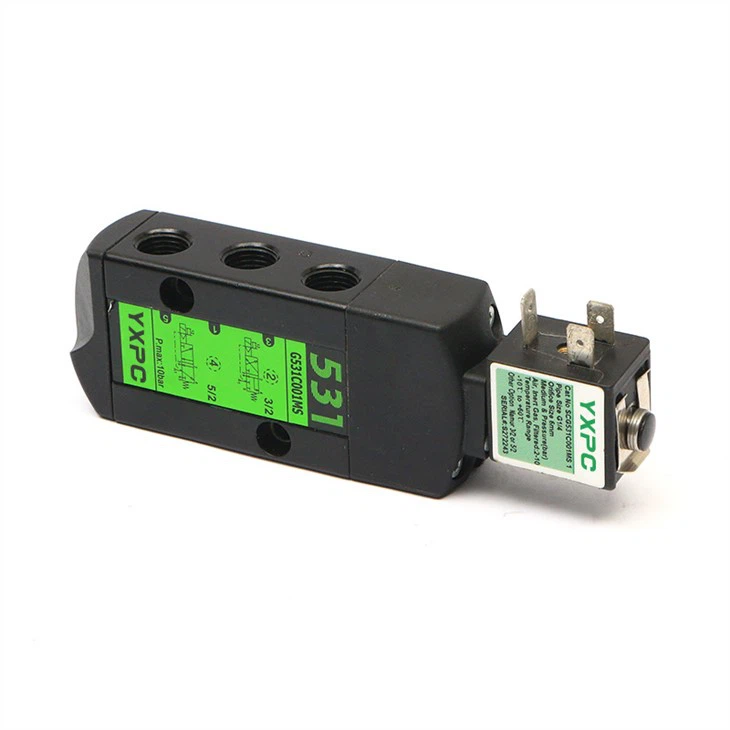
We offer a wide range of Namur solenoids to meet the diverse needs of our customers. Whether you need a Pneumatic Solenoid Valve 12 Volt for a low - voltage application, a Double Acting Actuator Valve Pneumatic for more complex control systems, or a Pneumatic Three Way Valve for specific fluid control requirements, we have the right solution for you.
Our solenoids are rigorously tested to ensure that they meet or exceed the industry standards for dielectric strength. We understand the importance of safety and reliability in industrial applications, and we strive to provide products that you can trust.
Contact Us for Procurement
If you are in the market for high - quality Namur solenoids, we invite you to contact us for procurement discussions. Our team of experts is ready to assist you in selecting the right solenoid for your specific application. We can provide detailed technical information, product samples, and competitive pricing.
Whether you are a small - scale manufacturer or a large industrial enterprise, we are committed to meeting your needs and providing you with the best possible service. Don't hesitate to reach out to us to start your procurement process.
References
- International Electrotechnical Commission (IEC) standards for electrical equipment testing.
- Textbooks on electrical engineering and industrial automation for information on dielectric strength and solenoid technology.