

What communication protocols are supported by an actuator valve pneumatic?
Hey there! As a supplier of Actuator Valve Pneumatic, I often get asked about the communication protocols these valves support. So, I thought I'd write this blog to break it down for you in a simple and easy-to-understand way.
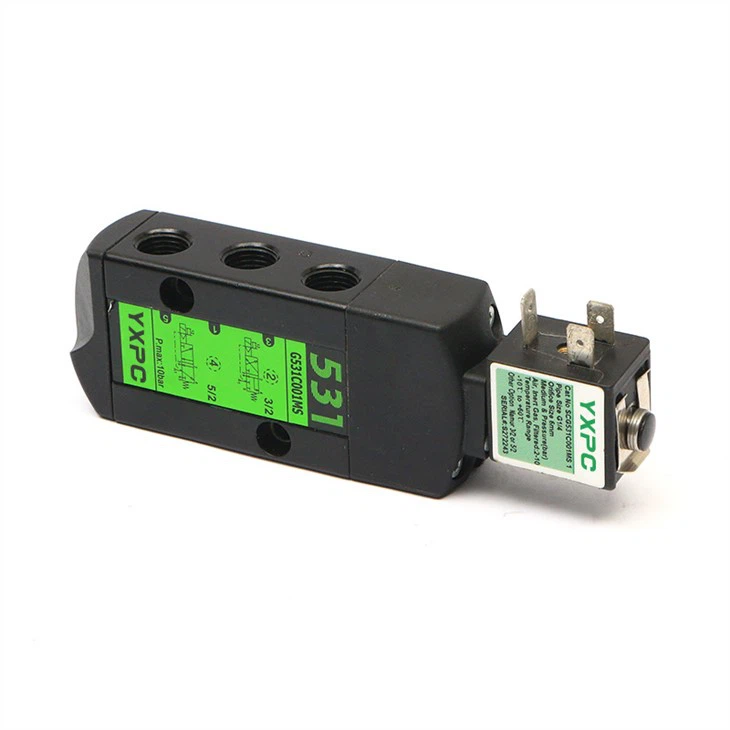
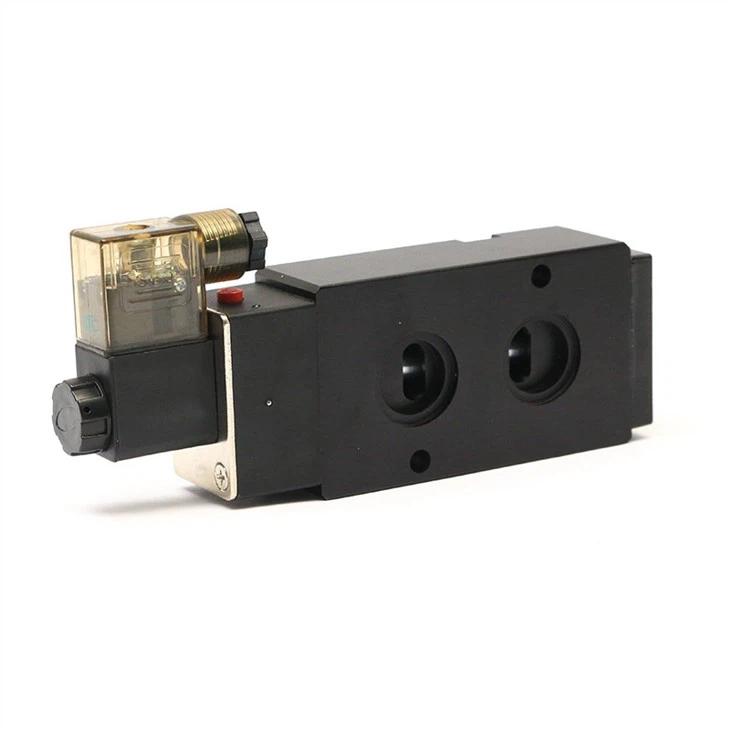
First off, let's quickly go over what an actuator valve pneumatic is. In a nutshell, it's a device that uses compressed air to control the movement of a valve. These valves are widely used in various industries, from manufacturing to oil and gas, because they're reliable, efficient, and can handle high-pressure applications.
Now, let's dive into the communication protocols. There are several protocols that actuator valve pneumatics can support, and each has its own unique features and benefits.
Modbus
Modbus is one of the most popular communication protocols in the industrial world. It's an open protocol, which means it's freely available for anyone to use. This makes it a cost-effective option for many businesses.
Modbus uses a master-slave architecture, where one device (the master) controls multiple other devices (the slaves). In the case of an actuator valve pneumatic, the master could be a programmable logic controller (PLC), and the valve would be the slave. The master sends commands to the slave, and the slave responds with the requested data.
One of the great things about Modbus is its simplicity. It's easy to implement and can be used over a variety of media, including serial cables and Ethernet. This flexibility makes it a great choice for different types of applications.
Profibus
Profibus is another widely used communication protocol in the industrial sector. It's a high-speed protocol that can handle large amounts of data, making it suitable for complex systems.
There are two main types of Profibus: Profibus DP (Decentralized Peripherals) and Profibus PA (Process Automation). Profibus DP is used for fast communication between a PLC and other devices, such as actuator valve pneumatics. Profibus PA, on the other hand, is designed for use in process automation applications, where it can handle the communication between field devices and a control system.
Profibus uses a token-passing mechanism to control access to the network. This ensures that only one device can transmit data at a time, which helps to prevent data collisions and ensures reliable communication.
CANopen
CANopen is a communication protocol based on the Controller Area Network (CAN) bus. It's a flexible and scalable protocol that can be used in a wide range of applications, from automotive to industrial automation.
CANopen uses a node-based architecture, where each device on the network is assigned a unique node ID. This makes it easy to identify and communicate with individual devices. The protocol also supports a variety of object types, which can be used to exchange different types of data, such as status information and control commands.
One of the advantages of CANopen is its robustness. It can handle harsh environments and electromagnetic interference, making it a great choice for industrial applications.
HART
HART (Highway Addressable Remote Transducer) is a hybrid communication protocol that combines analog and digital communication. It's widely used in the process industry, where it allows for the transmission of both analog signals (such as pressure and temperature) and digital data (such as device status and configuration information).
HART uses a frequency-shift keying (FSK) technique to superimpose digital signals on top of the analog signal. This allows for the simultaneous transmission of both types of data over a single pair of wires.
One of the benefits of HART is its compatibility with existing analog systems. It can be easily integrated into legacy systems without the need for major modifications, which makes it a cost-effective option for many businesses.
Ethernet/IP
Ethernet/IP is an industrial Ethernet protocol that's based on the standard Ethernet technology. It's a high-speed protocol that can handle large amounts of data, making it suitable for modern industrial automation systems.
Ethernet/IP uses the Common Industrial Protocol (CIP) to provide a common set of services and objects for communication between devices. This allows for easy integration of different types of devices, including actuator valve pneumatics, into a single network.
One of the advantages of Ethernet/IP is its familiarity. Since it's based on standard Ethernet technology, many engineers and technicians are already familiar with it, which makes it easier to implement and maintain.
Now that we've covered some of the main communication protocols supported by actuator valve pneumatics, let's talk about how to choose the right protocol for your application.
The first thing you need to consider is the requirements of your system. For example, if you need to transmit large amounts of data quickly, you might want to consider a high-speed protocol like Profibus or Ethernet/IP. On the other hand, if you're working with a legacy system and need to maintain compatibility, HART might be a better choice.
You also need to consider the cost of implementation. Some protocols, like Modbus, are more cost-effective than others, especially if you're working on a budget.
Another important factor is the availability of support and resources. Make sure that there are plenty of vendors and experts who can provide support for the protocol you choose.
At our company, we offer a wide range of actuator valve pneumatics that support different communication protocols. Whether you need a Pneumatic Solenoid Valve 12 Volt, a Pneumatic Three Way Valve, or a Double Acting Actuator Valve Pneumatic, we've got you covered.
If you're interested in learning more about our products or need help choosing the right communication protocol for your application, don't hesitate to get in touch. We're here to help you find the best solution for your needs.
In conclusion, choosing the right communication protocol for your actuator valve pneumatic is an important decision that can have a big impact on the performance and reliability of your system. By understanding the different protocols available and considering the requirements of your application, you can make an informed choice that will help you get the most out of your investment.
References
- "Industrial Communication Networks: Principles, Technologies, and Applications" by Klaus Dieter Thoben
- "Modbus Protocol Specification" by Schneider Electric
- "Profibus User Organization (PNO) Documentation"
- "CANopen Specification" by CiA (CAN in Automation)
- "HART Communication Foundation Documentation"
- "Ethernet/IP Specification" by ODVA (Open DeviceNet Vendor Association)