

How to prevent over - pressurization in a 5 way air valve?
Hey there! As a supplier of 5 way air valves, I've seen my fair share of issues with over - pressurization. It's a problem that can lead to all sorts of headaches, from valve malfunctions to potential safety hazards. So, in this blog, I'm gonna share some tips on how to prevent over - pressurization in a 5 way air valve.
First off, let's understand what a 5 way air valve is. It's a crucial component in many pneumatic systems. These valves control the flow of air in multiple directions, allowing for complex operations in machinery and equipment. But when the pressure gets too high, things can go south real quick.
Know Your System's Pressure Limits
The very first step in preventing over - pressurization is to know the pressure limits of your 5 way air valve and the entire pneumatic system it's part of. Every valve has a specified maximum operating pressure, and exceeding this can cause damage. You can usually find this information in the valve's manual or on the manufacturer's website.
For example, if your 5 way air valve is rated for a maximum pressure of 100 psi (pounds per square inch), you need to make sure the system never goes above that. It's like knowing the speed limit on a road – if you go too fast, you're asking for trouble.
Install a Pressure Relief Valve
One of the most effective ways to prevent over - pressurization is to install a pressure relief valve in the system. This valve acts as a safety net. When the pressure in the system reaches a certain level, the pressure relief valve opens up and releases the excess air, preventing the pressure from building up further.
Think of it as a pressure - release valve on a pressure cooker. When the pressure inside the cooker gets too high, the valve pops open, letting out steam and reducing the pressure. In a pneumatic system, a pressure relief valve works in a similar way, protecting your 5 way air valve from excessive pressure.
Regular Maintenance and Inspections
Regular maintenance and inspections are key to keeping your 5 way air valve and the entire pneumatic system in good working condition. Over time, valves can wear out, seals can leak, and pipes can get clogged. These issues can lead to pressure imbalances and potentially cause over - pressurization.
During maintenance, check for any signs of wear and tear on the valve, such as cracks or leaks. Also, inspect the pipes and fittings for blockages or damage. Replace any worn - out parts as soon as possible to prevent problems from escalating.
Monitor the System Pressure
Monitoring the system pressure is essential. You can use pressure gauges to keep an eye on the pressure levels in the system. Place the gauges at strategic points, such as near the 5 way air valve and at the inlet and outlet of the system.

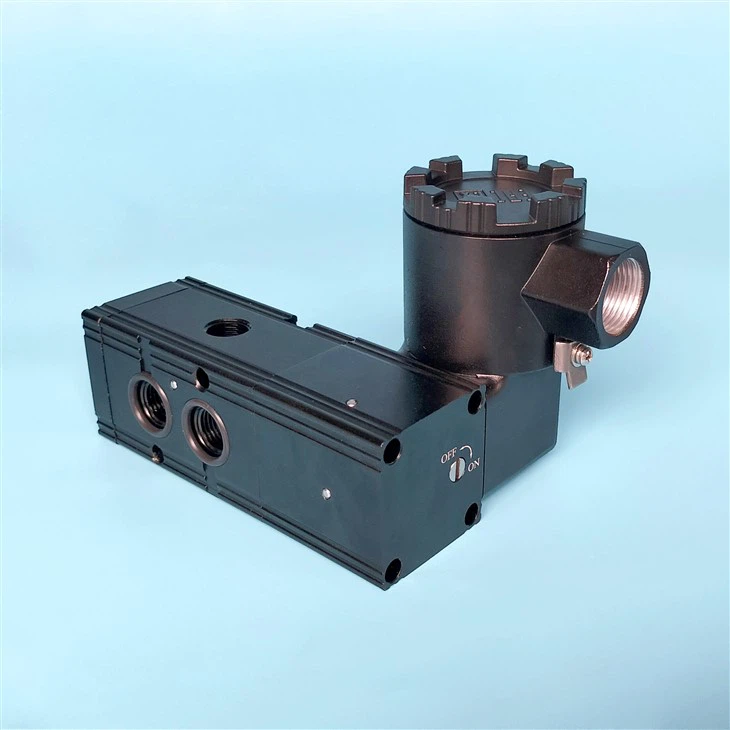
By regularly checking the pressure gauges, you can detect any sudden changes in pressure, which could indicate a problem. If you notice the pressure rising above normal levels, you can take action before it causes damage to the valve.
Proper System Design
Proper system design is another important factor in preventing over - pressurization. When designing a pneumatic system, make sure to size the pipes, valves, and other components correctly. If the pipes are too small, it can cause a restriction in the air flow, leading to increased pressure.
Also, consider the layout of the system. Avoid sharp bends or sudden changes in the pipe diameter, as these can cause pressure drops and fluctuations. A well - designed system will ensure a smooth and even flow of air, reducing the risk of over - pressurization.
Use Quality Components
Using quality components is crucial. Cheap or low - quality valves and other parts may not be able to handle the pressure as well as high - quality ones. They are more likely to fail under pressure, leading to over - pressurization and other problems.
When purchasing a 5 way air valve, look for a reputable manufacturer. You can also consider valves with additional features, such as explosion proof 5 way pneumatic valve, which are designed to be more durable and reliable in high - pressure environments.
Train Your Staff
If you have employees working with the pneumatic system, make sure they are properly trained. They should know how to operate the system safely and be aware of the signs of over - pressurization. Training can also include how to perform basic maintenance and inspections.
A well - trained staff can help prevent over - pressurization by following the proper procedures and reporting any issues promptly. It's like having a team of experts looking out for the health of your pneumatic system.
Consider the Application
The application of the 5 way air valve also matters. Different applications may have different pressure requirements and potential sources of over - pressurization. For example, in a manufacturing plant, the system may be subject to sudden surges in pressure due to the operation of heavy machinery.
Understanding the application will help you take the necessary precautions to prevent over - pressurization. You may need to adjust the system design, use different components, or implement additional safety measures depending on the specific requirements of the application.
Related Valves for Your System
In addition to 5 way air valves, there are other types of valves that you might find useful in your pneumatic system. For example, Air Solenoid Valve 3 Way can be used in applications where you need to control the flow of air in a different way. And if you're looking for a valve that operates on a 24vdc power supply, the 24vdc Pneumatic Solenoid Valve could be a great option.
Conclusion
Preventing over - pressurization in a 5 way air valve is all about being proactive. By knowing your system's pressure limits, installing a pressure relief valve, performing regular maintenance, monitoring the pressure, using quality components, training your staff, and considering the application, you can keep your valve and the entire pneumatic system running smoothly.
If you're in the market for a 5 way air valve or have any questions about preventing over - pressurization, feel free to reach out. We're here to help you find the right solution for your needs and ensure the safety and efficiency of your pneumatic system.
References
- Pneumatic Systems Handbook, various industry publications
- Manufacturer's manuals for 5 way air valves and related components