

How to measure the magnetic field of a 12 Volt solenoid coil?
As a supplier of 12 Volt solenoid coils, I often encounter inquiries about how to measure the magnetic field of these coils. Understanding the magnetic field characteristics of a 12 Volt solenoid coil is crucial for various applications, from industrial automation to automotive systems. In this blog post, I will share some methods and considerations for measuring the magnetic field of a 12 Volt solenoid coil.
Understanding the Basics of a 12 Volt Solenoid Coil
Before diving into the measurement techniques, it's important to have a basic understanding of what a 12 Volt solenoid coil is. A solenoid coil is a wire wound in a helical shape, which generates a magnetic field when an electric current passes through it. The strength of the magnetic field depends on several factors, including the number of turns in the coil, the current flowing through it, and the material of the core.
Why Measure the Magnetic Field?
Measuring the magnetic field of a 12 Volt solenoid coil can provide valuable information about its performance. For example, it can help determine if the coil is operating within the expected parameters, if there are any issues with the winding or the core, and if the coil is suitable for a particular application. Additionally, accurate measurement of the magnetic field can assist in optimizing the design of the solenoid coil for specific requirements.
Methods for Measuring the Magnetic Field
There are several methods available for measuring the magnetic field of a 12 Volt solenoid coil. Here are some of the most common ones:
Hall Effect Sensors
Hall effect sensors are widely used for measuring magnetic fields. These sensors work based on the Hall effect, which is the production of a voltage difference across an electrical conductor when a magnetic field is applied perpendicular to the current flow. Hall effect sensors are relatively easy to use and can provide accurate measurements of the magnetic field strength.
To measure the magnetic field of a 12 Volt solenoid coil using a Hall effect sensor, you need to place the sensor near the coil. The sensor will then generate a voltage proportional to the magnetic field strength. You can use a multimeter or a data acquisition system to measure this voltage and convert it into a magnetic field value.
Gaussmeters
Gaussmeters are specialized instruments designed for measuring magnetic fields. They are more accurate and sensitive than Hall effect sensors and can measure both the magnitude and direction of the magnetic field. Gaussmeters typically use a probe to measure the magnetic field at a specific point.
To measure the magnetic field of a 12 Volt solenoid coil using a gaussmeter, you need to place the probe at the desired location near the coil. The gaussmeter will then display the magnetic field strength in gauss or tesla. Make sure to follow the manufacturer's instructions for proper operation of the gaussmeter.
Magnetic Field Mapping
Magnetic field mapping involves measuring the magnetic field at multiple points around the solenoid coil to create a map of the magnetic field distribution. This method can provide a more detailed understanding of the magnetic field characteristics of the coil.
To perform magnetic field mapping, you can use a Hall effect sensor or a gaussmeter to measure the magnetic field at different points around the coil. You can then plot the measurements on a graph or use software to create a 3D map of the magnetic field.
Considerations for Measuring the Magnetic Field
When measuring the magnetic field of a 12 Volt solenoid coil, there are several considerations to keep in mind:
Safety
Working with electrical components and magnetic fields can be dangerous. Make sure to follow all safety precautions, such as wearing appropriate protective gear and ensuring that the power is turned off before making any measurements.
Accuracy
The accuracy of the measurement depends on several factors, including the quality of the measuring instrument, the placement of the sensor or probe, and the stability of the magnetic field. Make sure to use a high-quality measuring instrument and follow the manufacturer's instructions for accurate measurements.
Environmental Factors
The magnetic field of a solenoid coil can be affected by environmental factors such as temperature, humidity, and the presence of other magnetic fields. Make sure to take these factors into account when making measurements and try to minimize their influence.
Applications of 12 Volt Solenoid Coils
12 Volt solenoid coils are used in a wide range of applications, including:
Industrial Automation
In industrial automation, 12 Volt solenoid coils are used to control the movement of valves, actuators, and other mechanical components. The magnetic field generated by the coil can be used to open or close a valve, for example.
Automotive Systems
In automotive systems, 12 Volt solenoid coils are used in various applications, such as fuel injection systems, transmission control, and door locks. The magnetic field of the coil can be used to actuate a switch or a relay.

Home Appliances
In home appliances, 12 Volt solenoid coils are used in applications such as washing machines, dishwashers, and refrigerators. The magnetic field of the coil can be used to control the flow of water or the operation of a valve.
Our Products and Services
As a supplier of 12 Volt solenoid coils, we offer a wide range of high-quality products that are suitable for various applications. Our coils are designed and manufactured to meet the highest standards of quality and performance.
We also provide customized solutions to meet the specific requirements of our customers. Whether you need a solenoid coil with a specific number of turns, a particular core material, or a custom design, we can help.
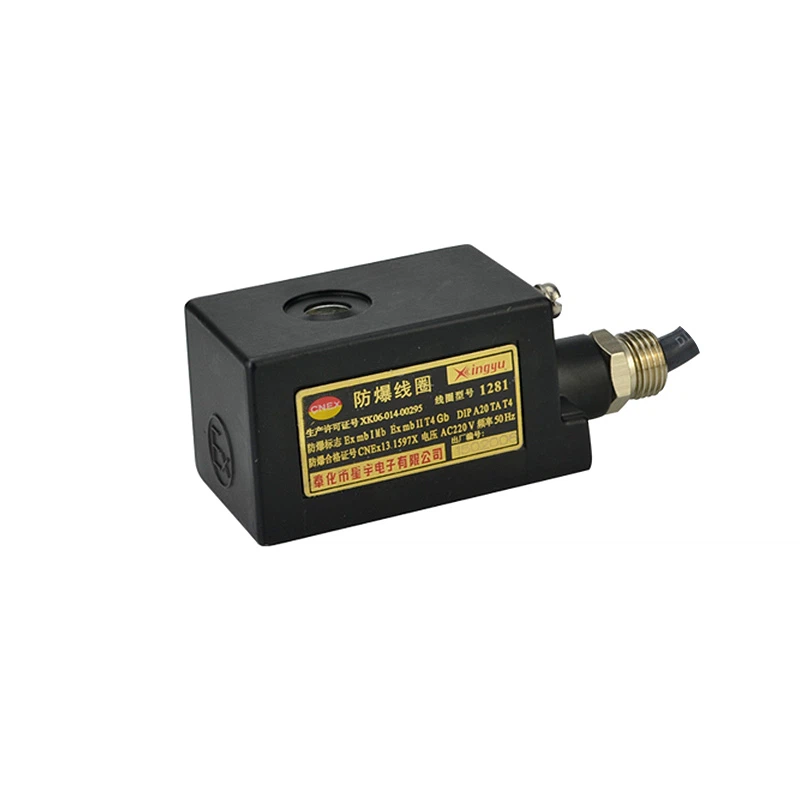
If you are interested in our 24vdc Explosion Proof Solenoid Coil, Solenoid Valve Coil Explosion Proof, or Ex Proof 220vac Solenoid Coil, please feel free to contact us for more information. We are always ready to assist you with your solenoid coil needs.
Conclusion
Measuring the magnetic field of a 12 Volt solenoid coil is an important step in understanding its performance and ensuring its suitability for a particular application. By using the right measurement methods and considering the relevant factors, you can obtain accurate and reliable measurements of the magnetic field.
If you have any questions or need further assistance with measuring the magnetic field of a 12 Volt solenoid coil, please don't hesitate to contact us. We are here to help you make the most of your solenoid coil applications.
References
- Halliday, D., Resnick, R., & Walker, J. (2014). Fundamentals of Physics. Wiley.
- Purcell, E. M., & Morin, D. J. (2013). Electricity and Magnetism. Cambridge University Press.
- Griffiths, D. J. (2017). Introduction to Electrodynamics. Cambridge University Press.
No Information