

Do solenoid valve parts need grounding?
Hey there! As a supplier of solenoid valve parts, I often get asked a bunch of technical questions. One question that pops up quite a bit is, "Do solenoid valve parts need grounding?" Well, let's dive right into it and break this down.
First off, let's understand what solenoid valve parts are. A solenoid valve is a device that controls the flow of liquids or gases. It's made up of several key parts like the solenoid coil, plunger, valve body, and more. The solenoid coil is like the heart of the valve. When an electrical current passes through it, it creates a magnetic field that moves the plunger, which in turn opens or closes the valve.
Now, back to the main question: grounding. Grounding is essentially connecting an electrical device to the earth. It's a safety measure that helps protect people and equipment from electrical faults. When there's a short - circuit or some other electrical problem, the excess current can flow safely into the ground instead of causing damage or harm.
For solenoid valve parts, the need for grounding depends on a few factors.
Safety Considerations
One of the biggest reasons to ground solenoid valve parts is safety. In industrial settings, where solenoid valves are commonly used, there are often high - voltage electrical systems at play. If a solenoid valve part malfunctions and there's a short - circuit, without grounding, the entire valve and the surrounding equipment could become electrified. This poses a serious risk to workers who might come into contact with it. For example, if someone is doing maintenance on a valve that's not grounded and there's a short, they could get a dangerous electric shock.

Electrical Noise and Interference
Another aspect is electrical noise and interference. Solenoid coils, especially when they're energized and de - energized, can generate electromagnetic interference (EMI). This EMI can affect other nearby electronic devices. Grounding can act as a shield to reduce this interference. When the solenoid valve parts are grounded, the unwanted electrical signals can be directed to the ground, preventing them from causing problems with other sensitive equipment in the area.
Environmental Factors
The environment in which the solenoid valve is installed also matters. In areas with high humidity, corrosive chemicals, or a lot of dust, the risk of electrical faults increases. Moisture can cause short - circuits, and corrosive chemicals can damage the insulation of the electrical components. In such harsh environments, grounding becomes even more crucial. It helps to ensure that any electrical issues are quickly and safely resolved.
Types of Solenoid Valve Parts and Grounding
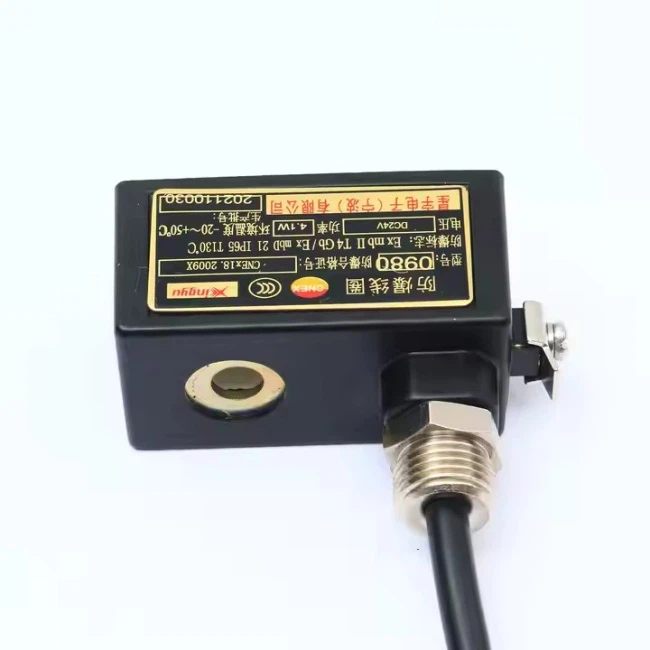
Let's talk about specific solenoid valve parts. The solenoid coil is a critical part when it comes to grounding. Coils are often the source of electrical activity in the valve. For example, Ex Proof 220vac Solenoid Coil and 24vdc Explosion Proof Solenoid Coil are designed for specific voltage requirements. These coils need to be properly grounded to ensure their safe and efficient operation.
The valve body also plays a role. If the valve body is made of metal, it can act as a conductor. Grounding the valve body helps to prevent static electricity buildup. Static electricity can attract dust and debris, which can then affect the valve's performance. It can also cause electrical discharges, which might damage the internal components of the valve.
When Grounding Might Not Be Necessary
There are some cases where grounding might not be strictly necessary. In low - voltage, low - power applications, the risk of electrical shock and interference is relatively low. For example, in some small - scale home appliances that use solenoid valves, the electrical system is designed in such a way that the potential for dangerous electrical faults is minimal. However, even in these cases, it's still a good practice to ground the solenoid valve parts for an extra layer of safety.
Installation and Grounding
Proper installation is key when it comes to grounding solenoid valve parts. The grounding wire should be of the appropriate gauge to handle the potential current. It should be securely connected to both the solenoid valve part and the grounding point. A loose connection can defeat the purpose of grounding and still leave the system vulnerable to electrical problems.
It's also important to follow local electrical codes and regulations. These codes are in place to ensure the safety of the installation. Different regions might have different requirements for grounding electrical equipment, so it's essential to check and comply with them.
Conclusion
In conclusion, while there are some situations where grounding solenoid valve parts might seem optional, in most cases, it's a necessary safety measure. Whether it's to protect workers from electrical shock, reduce electromagnetic interference, or prevent static electricity buildup, grounding plays a crucial role in the proper functioning of solenoid valves.
If you're in the market for high - quality solenoid valve parts, we've got you covered. We offer a wide range of products, including Solenoid Valve Coil Explosion Proof. Our parts are designed to meet the highest standards of safety and performance.
If you have any questions about our solenoid valve parts or need advice on grounding, feel free to reach out. We're always here to help you make the right choice for your application. Whether you're an industrial user or a DIY enthusiast, we can provide you with the right parts and guidance. So, don't hesitate to get in touch and start a conversation about your solenoid valve part needs.
References
- Electrical Safety Standards Handbook
- Industrial Solenoid Valve Design and Application Manual
- National Electrical Code (NEC) Publications